

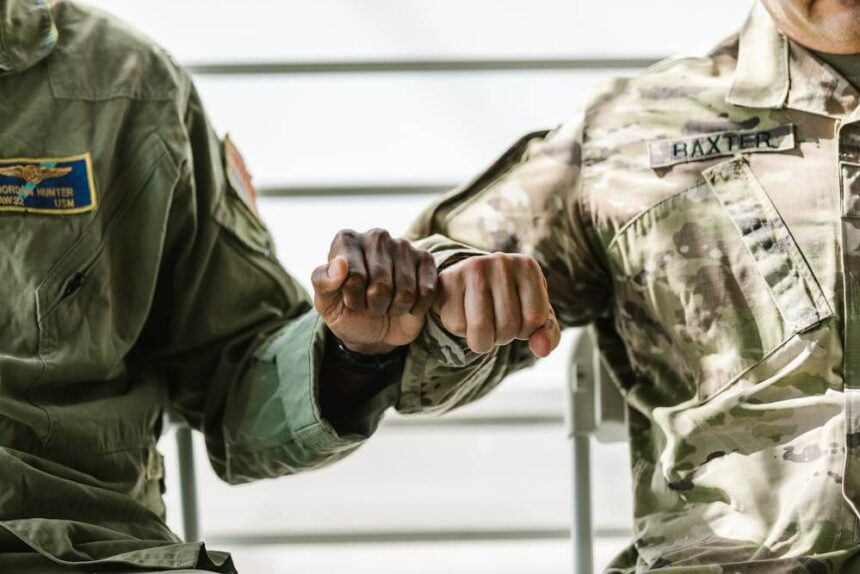
Military service can lead to lasting physical, mental, and emotional effects. Veterans facing criminal charges in Houston sometimes carry service-related challenges that influence their legal circumstances. Standard criminal courts may not account for these factors, so specialized support is essential to navigate the legal process effectively.
Criminal lawyers for veterans in Houston focus on these unique situations and help former service members pursue better outcomes. Veterans may be eligible for alternatives to traditional prosecution if their charges stem from service-related struggles. Here are key areas that outline the legal options available to veterans navigating criminal charges.
Types of Criminal Charges Veterans May Face
Veterans may face a range of charges, including assault, theft, or driving offenses. Some cases stem from untreated trauma, substance issues, or difficulty adjusting after deployment. Courts still process these as criminal offenses, but the reasons behind the behavior sometimes differ from civilian cases.
Understanding the nature of the charge helps determine the right defense. Legal options depend on the offense type, prior record, and whether the charge links to service-related challenges. A lawyer with knowledge of these cases can identify where intervention or diversion is possible.
Diversion Programs for Veterans in Houston
Veterans Treatment Court in Houston supports individuals with service-connected struggles. Instead of traditional sentencing, the program focuses on structured supervision, recovery, and rehabilitation. Qualified participants attend court regularly and receive ongoing guidance.
Support may include counseling, substance treatment, housing assistance, and community services. Benefits of participating include access to tailored resources, reduced penalties, and structured guidance. Diversion helps address root causes while still holding participants accountable.
Legal Strategies Based on Service History
A veteran’s defense may rely on the role military experience played in the alleged conduct. Attorneys examine service records, medical history, and behavioral evidence to support the case. These factors can present a broader view to judges and prosecutors.
Legal counsel may argue that trauma or mental health conditions influenced the veteran’s decision-making. These arguments help shift the focus from punishment to understanding. Courts may weigh this information heavily when considering outcomes.
Support Services That Can Influence Court Decisions
Veterans in Houston can benefit from services connected to the justice system. These resources not only support personal recovery but may also influence court outcomes. Accessing these can show dedication to change.
Useful services include:
- Mental health counseling focused on PTSD or anxiety
- Substance use recovery support with case management
- Housing programs for stable living conditions
- Employment readiness and skill training
- Peer support from veteran mentors
Record Clearing and Future Stability
Veterans who complete court programs or serve their sentence may be eligible to clear their records. Expunction and non-disclosure are two legal tools that help limit public access to criminal records. These options can reduce the impact of a past charge on employment, housing, and licensing.
Attorneys guide veterans through eligibility checks and filing processes. Removing a charge from public view can support long-term reintegration into civilian life. It also allows veterans to pursue goals without barriers tied to a single legal mistake. Clearing a record creates room for personal and professional growth backed by legal relief.
Legal Counsel and Long-Term Impacts
Criminal lawyers for veterans in Houston focus on more than short-term case results. Legal outcomes can affect multiple parts of a veteran’s life, including access to benefits, job opportunities, housing, and community standing. Every legal step must weigh both immediate consequences and future limitations tied to a record.
Effective legal counsel also helps veterans plan beyond the courtroom. Attorneys assist with strategies for expunction, non-disclosure, and navigating post-case obligations. They explain how legal records may influence future applications or background checks. Ongoing support allows veterans to stay informed, avoid repeat issues, and connect with resources that promote long-term stability.