

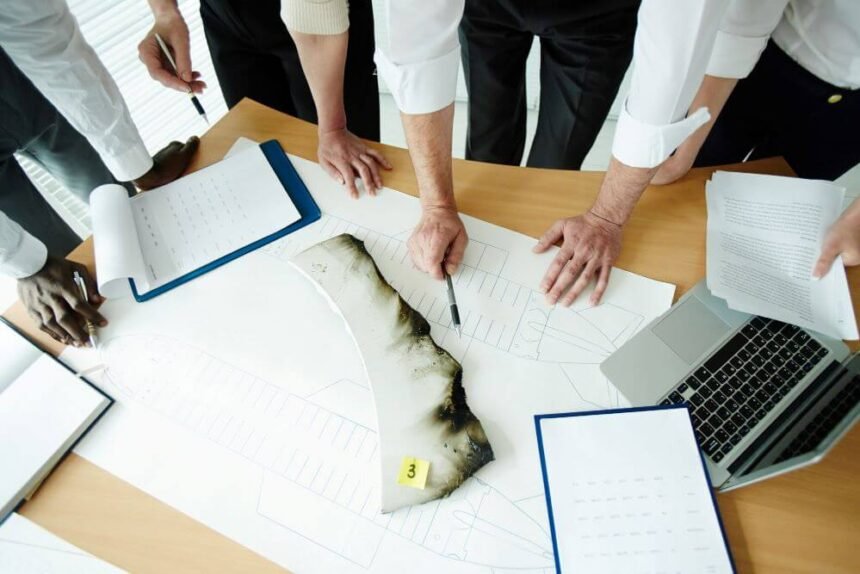
The success of any major construction project is largely determined long before the first shovel hits the ground. Engaging in a thorough pre-construction services phase allows you to identify potential issues. By focusing on risk mitigation early, you protect your budget, your timeline, and the safety of your team. This article outlines seven protocols that help you prepare for a smooth construction experience.
1. Conducting Comprehensive Site Feasibility Assessments
Doing the first step in any risk-mitigation plan is understanding the land and environment where you are building. You must perform detailed site assessments to uncover hidden underground utilities, soil conditions, or environmental constraints that could halt progress later. Knowing these challenges upfront allows your team to adjust the design or logistics plans before any money is spent on actual site work.
2. Performing Rigorous Budget and Cost Forecasting
Uncontrolled costs are one of the biggest risks in the construction industry, so creating an accurate budget is vital. Work with your team to forecast every expense, including potential price increases for materials or labour over the course of the project. By building in a clear contingency fund for unexpected needs, you ensure that your project remains financially stable even if something goes wrong.
3. Aligning Design Intent With Constructability Reviews
Constructability reviews involve having your builders look at the plans to ensure that the proposed methods are practical and efficient for the team on the site. If a design choice is too complex or relies on hard-to-find materials, it creates a risk of delays. Making these adjustments during the pre-construction phase ensures that your project design is tailored to be built safely and to the highest standard.
4. Developing Detailed Procurement and Logistics Plans
Supply chain issues can bring a project to a standstill, making early procurement planning a crucial part of your risk-mitigation strategy. Pinnacl experts, for instance, identify long-lead items early and secure your orders before the project begins to avoid waiting on essential materials. Developing a plan for how and when these materials will arrive at the site helps you manage your space and workflow effectively.
5. Establishing Stringent Safety and Compliance Protocols
Safety is the most important aspect of any construction site, and you must embed your culture into the project right from the start. This involves creating a clear set of safety guidelines that every contractor and worker understands and agrees to follow. Ensure that all your permits, insurance requirements, and regulatory filings are handled during the pre-construction phase to avoid legal headaches.
Depending on the project’s requirements, securing a general surety bond can also provide an additional layer of financial protection and help ensure contractual obligations are met throughout the construction process.
6. Coordinating Stakeholder Communication and Expectations
Large projects involve many different people, from property owners to local community members, and keeping everyone happy is a challenge. Establish a clear communication plan that provides regular updates and addresses any concerns before they turn into public complaints. When everyone involved understands the project goals and the timeline, there is far less chance of confusion or resistance.
7. Defining Clear Roles and Performance Responsibilities
You must clearly define the roles of every contractor and team member during the pre-construction phase to ensure that no critical task is missed. This involves setting clear expectations for performance, quality, and timelines for every trade involved in the build. When your team knows exactly what they are accountable for, they can work more independently and effectively, which reduces the risk of errors.
Securing Your Future Success Through Early Strategic Planning
Taking the time to execute these seven protocols during the pre-construction phase is an investment you can make in your project. While this phase requires patience, the result is a much more predictable and successful construction experience. By prioritising this level of strategic planning, you guarantee that your project is prepared for success, no matter what hurdles you face during the build process.