


A safe corporate office keeps daily operations running smoothly without unexpected delays. Sudden physical incidents disrupt standard workflows and damage general team morale across departments.
Smart business leaders prioritize workplace safety strategies to protect their entire staff from harm. Implementing healthy habits keeps everyone productive, focused, and operating at peak performance levels.
Upgrade Regular Training Programs
Regular safety education keeps common hazards fresh in everyone’s minds throughout the week. Employees learn to spot operational risks before severe accidents can occur on the factory floor. This proactive approach stops predictable incidents before they start.
Unsafe habits often lead to severe physical harm on the job during heavy shifts. Dealing with a severe personal injury often requires a lawyer who understands workplace accident claims and can help protect the injured employee’s legal rights. Preventing these situations through consistent training and clear safety procedures remains far more effective than resolving their legal consequences afterward.
New hires need thorough onboarding processes to learn standard company safety protocols completely. Experienced workers profit from quick refresher sessions every few months to review updated compliance laws. Keeping operational skills updated prevents costly errors that stall business growth.
Maintain Equipment with Care
Broken machinery poses a massive threat to daily operations and staff health. Scheduled mechanical checks catch system failures before they cause severe physical harm to operators. Regular inspections save money on emergency fixes and avoid sudden assembly line shutdowns.
Data shows that structured safety measures have made modern jobs much safer over the decades. A federal safety database reveals that incident rates dropped from 10.9 per 100 workers in 1972 to 2.4 per 100 in 2025. This massive improvement proves that consistent workplace standards protect teams from injury.
Workers must report sticky buttons or unusual mechanical noises to supervisors immediately. Mechanics can fix small glitches during scheduled downtime without pausing standard production hours. Taking care of commercial tools keeps daily output targets completely on track.
Keep Walkways Clear and Clean
Slips and trips cause a massive number of unexpected office absences each year. Cluttered hallways trap people during building evacuations or sudden emergency situations. Simple daily cleanup habits remove these tripping hazards from common areas instantly.
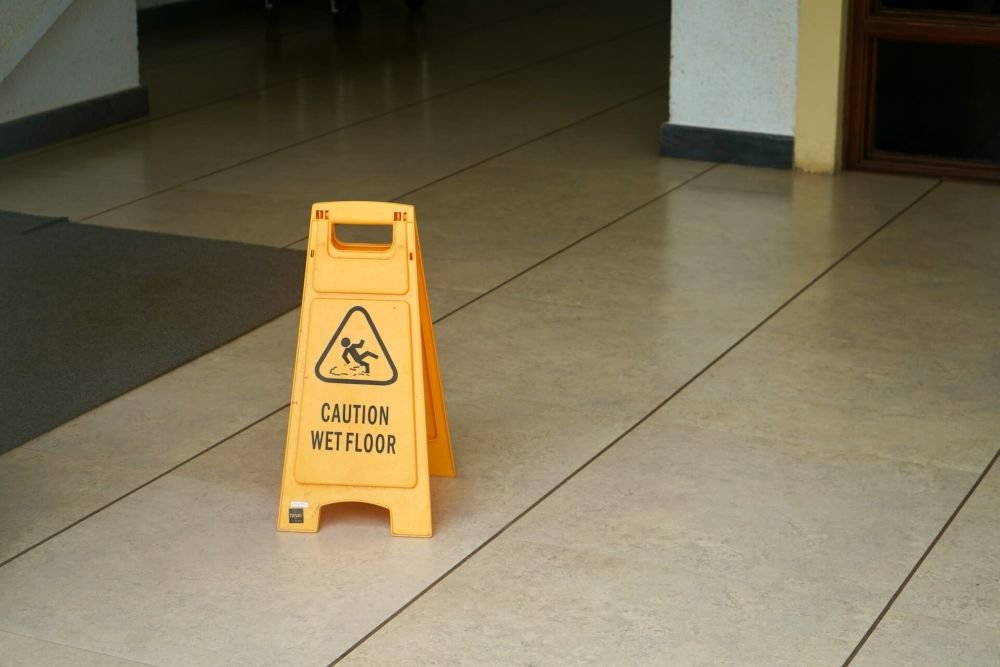
Liquid spills require immediate mopping to prevent sudden falls on slippery tile surfaces. Staff members should place warning signs over wet spots right away to alert walking colleagues. Proper overhead lighting helps people spot slick patches on the warehouse floor easily.
Shipping boxes should stay in designated storage closets instead of stacking up in busy hallways. Clean floors create a clear walking path that lets people move quickly and safely. Secure movement keeps the daily corporate workflow moving along without unnecessary medical delays.
If a preventable workplace accident results in serious injuries, employees seeking more information about their legal rights can visit Harrell and Harrell here to learn about the support available after an accident.
Provide Proper Safety Gear
Protective equipment shields staff members from dangerous daily elements on complex work sites. A government tracking agency reported 5,070 fatal work incidents across the nation in 2025. Wearing proper protective gear could lower these tragic numbers significantly each year.
Hard hats protect heads from falling building tools on construction projects. Safety goggles save eyes from flying metal sparks or hazardous chemical splashes in laboratories. Managers must supply protective items that fit every individual worker perfectly.
Damaged gear needs immediate replacement to maintain proper defensive standards during heavy labor. Workers should check their vests and gloves before starting any manufacturing shift. High-quality equipment prevents bad workplace accidents from disrupting standard timelines.
Encourage Open Safety Reporting
Employees see dangerous hazards first during their standard daily work routines. Management needs to hear about these risks quickly to fix them before someone gets hurt. An anonymous suggestion box allows workers to speak up without fearing any negative consequences.
Supervisors must praise staff members who flag broken tools or structural problems. Fixing reported items quickly builds deep trust between management and the general workforce. Open communication channels stop minor hazards from turning into full-scale corporate crises.
Weekly safety meetings give everyone an equal chance to share smart hazard prevention ideas. Discussing recent near-misses helps the entire crew learn from close calls without experiencing injuries. Sharing operational knowledge keeps the workspace secure for all departments.
Design Ergonomic Working Spaces
Poor seating posture triggers long-term physical strain on muscles and joints over months. Adjusting chair heights helps prevent chronic back pain during long computer shifts. Small workstation changes create a comfortable space that supports physical wellness.
Keyboards should sit at a level that keeps wrists straight during typing tasks. Computer monitors belong directly at eye level to prevent neck fatigue and headaches. Comfortable employees maintain high focus levels throughout their entire daily shifts.
Simple office adjustments protect physical health over long hours:
- Ergonomic desk chairs support the lower spine perfectly.
- Raised screens prevent continuous neck strain during projects.
- Soft wrist pads cushion hands during repetitive typing.
Preventing injuries requires constant attention from every team member in the building. Small daily choices build a secure business environment where employees feel safe working. Protecting your staff keeps your commercial operations growing steadily month after month.
Implementing these 6 steps minimizes operational disruptions completely across all company branches. Secure habits keep daily workflows smooth and protect your most valuable business assets over the long run.