

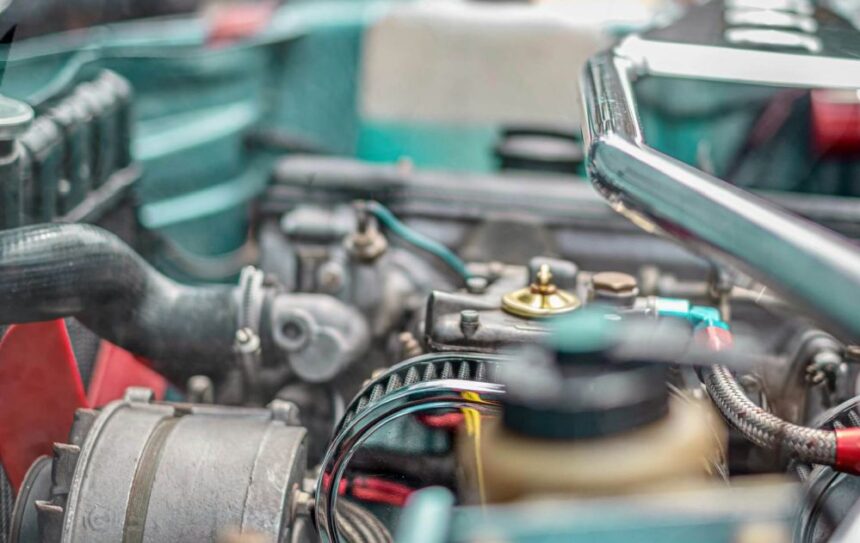
Replacing a tired industrial engine is more than a like-for-like swap. It often unlocks measurable gains across fuel use, torque delivery, emissions, uptime, and operator comfort. The right choice can raise productivity without new equipment purchases, and it can tighten compliance margins at the same time. Here is what changes first, what improves over the next few months, and how to track whether the upgrade is paying off.
Fuel Economy that Shows Up on The Next Fuel Bill
Modern combustion strategies, tighter tolerances, and smarter controls typically trim fuel burn right away. Even single-digit percentage gains matter at fleet scale. Cummins has indicated that its next-generation heavy-duty platform can deliver up to a 4% improvement versus the prior model year, which illustrates the kind of incremental efficiency a fresh design can bring to daily duty.
Use simple math to size the effect. A quarry hauling 300,000 gallons per year that saves 4% keeps roughly 12,000 gallons in the tank. At typical diesel prices, that is a meaningful operating margin shift you can redeploy into tires, tooling, or headcount.
Torque Curves that Do Useful Work
Horsepower sells, but torque placement gets the job done. The Cummins ISX engine is often used as a benchmark for fleets that need mid-range pull more than peak numbers. That focus on usable torque helps operators throttle less, shift less, and crawl less, which reduces cycle times and fuel waste.
Matching the new engine’s torque curve to the machine’s work profile is critical. Look at where peak torque hits, the width of the flat curve, and how quickly the engine recovers after a lug. Those characteristics contribute to smoother operation and less driveline shock.
Emissions and ESG Improvements You Can Quantify
Newer engines do more with aftertreatment, injection precision, and combustion timing, so tailpipe numbers improve alongside fuel economy. A regional repower guide from Clean Air Northeast quantifies the carbon side clearly by converting fuel saved into emissions avoided. Their example shows that cutting 5,000 gallons of diesel in a year keeps about 55 tons of CO2 out of the air, which makes annual reporting and grant applications easier.
If you run in nonattainment areas or under strict contract terms, the upgrade can also widen your compliance cushion. Lower NOx and particulate output reduces risk when engines idle on congested sites or run long cold starts in winter.
Uptime and Maintenance Intervals that Stretch Farther
https://unsplash.com/photos/a-black-and-white-photo-of-a-machine-G6g8BwZzZjQ
A replacement program often resets the maintenance clock. Newer engines extend oil drain intervals when paired with approved lubricants and filtration, and they stabilize coolant life through better chemistry control. You also retire the unknowns that come with older heads, liners, injectors, and sensors that are past midlife.
What you notice next is fewer nuisance stoppages. Fresh wiring, connectors, and harness routing reduce intermittent faults. Better sealing stops dust intrusion around sensors, so the ECM gets clean data and throws fewer false alarms.
Maintenance changes you feel in week one
- Faster starts and fewer cold-crank complaints
- Smoother idle that prevents accessory rattle and belt squeal
- More consistent DEF dosing with fewer inducement events
- Easier access to filters, drain points, and test ports
- Clearer diagnostics that point to a real fix the first time
Driveline Integration and Cycle Time Gains
Modern engines arrive with calibrations that speak cleanly to transmissions, hydraulic pumps, and traction controls. That coordination cuts dead time between throttle tip-in and work output. On wheel loaders and forklifts, improved low-speed modulation helps operators feather precisely, which reduces rework and product damage.
Even small acceleration gains add up. Shave two seconds from a 60-second cycle, and you win more than 3% throughput. Over a 10-hour shift, that turns into extra truckloads moved or pallets staged without adding trucks or people.
Noise, Heat, and Operator Comfort
New engines typically run quieter because of improved combustion phasing and better block and head isolation. Less vibration at idle reduces mirror shake and component chatter, which makes cabs feel solid. Lower underhood heat spreads out to cooler hydraulic oil and intake air, so performance stays consistent on hot days.
Comfort is not fluff. A calmer machine helps operators stay sharp near shift end, which protects equipment, product, and people. It also reduces fatigue-related slowdowns that creep into cycle times.
Digital Controls, Data, and Smarter Protection
ECUs have become better gatekeepers. Updated protections watch oil pressure, temperature deltas, and knock margins in real time, then derate gently to save the engine before something breaks. That is a performance gain in its own right because it prevents catastrophic failure and the long outage that follows.
Telemetry gets sharper, too. With cleaner sensor signals and richer fault codes, you catch injector balance drift or DPF loading before it becomes downtime. That lets you schedule maintenance into lulls instead of losing a peak production block.
How To Plan The ROI and Keep It Honest
Set a baseline before the swap. Then track the same KPIs for 90 days after commissioning. Fuel per unit moved, cycle time, idle ratio, and unplanned downtime are the core four. If the replacement includes a gearing or pump change, track creep speed, and hydraulic response as well.
A recent industry release from Cummins stated that its upcoming heavy-duty platform can improve fuel economy up to 4% versus the previous year’s version. Use that figure as a reference range when you build your business case, then validate it against your own duty cycles rather than a lab cycle.
Data to capture after commissioning
- Gallons per hour and per unit moved
- Average cycle time by shift and operator
- Idle percentage and PTO time
- Unplanned downtime minutes and root cause
- Number of inducement events and DPF regens
- Average coolant and intake air temps under load
Why Is The Improvement Durable?
The biggest wins come from efficiency and torque placement, but the durability of those gains depends on spec and care. Choose the right cooling package, filtration, and gearing for your altitude, ambient temperatures, and load profile. Then keep the ECM at its current calibration level, because updates often refine boost control, injection timing, and EGR strategy.
Operator coaching matters, too. Short refreshers on shift points, throttle discipline, and use of work modes prevent backsliding into old habits. That keeps the new engine operating in its sweet spot, which preserves both performance and warranty standing.
Upgrading an industrial engine is one of the clearest ways to improve real output without buying new iron. You save fuel, cut emissions, and shorten cycles while gaining better data and fewer surprises. With a solid baseline and a 90-day scorecard, you can prove what changed, lock in the new best practices, and keep the improvements compounding over time.