

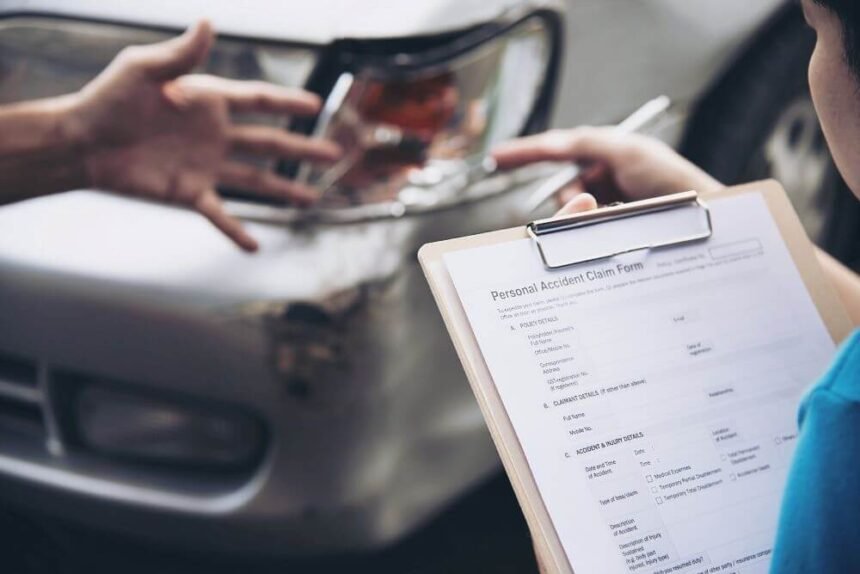
Strong evidence can make the difference between a disputed accident claim and one that the insurance company must take seriously. After a Houston crash, the goal is to prove who caused the wreck, how it happened, what injuries resulted, and how those injuries changed the victim’s life. This article by Baumgartner Law Firm in Houston addresses the proof you need.
Houston cases often involve heavy traffic, distracted drivers, uninsured motorists, rideshare vehicles, commercial trucks, construction zones, and major roads such as I-45, I-10, US 59, Beltway 8, Highway 288, and the 610 Loop. Evidence should be gathered quickly because vehicles are repaired, videos are deleted, witnesses forget details, and insurers begin building defenses early.
Why Evidence Matters After a Houston Crash
A car accident claim depends on proof. Saying another driver was careless is not enough. The evidence must show what the driver did wrong, how that conduct caused the collision, and what losses followed.
Evidence helps answer important questions. Was the other driver speeding, distracted, drunk, or following too closely? Did the driver run a red light, fail to yield, make an unsafe lane change, or violate a traffic law? Do the medical records connect the injuries to the crash? Did the wreck affect the victim’s ability to work, sleep, drive, care for family, or enjoy daily life?
Insurance companies look for gaps. A delay in treatment, missing photos, unclear liability, inconsistent statements, or lack of witness information can give an adjuster room to reduce or deny a claim. Promptly closing those gaps can strengthen the case.
The Texas Crash Report
The Texas Peace Officer’s Crash Report, often called the CR-3 report, is one of the first documents reviewed after a Houston accident. It may include driver information, insurance details, vehicle damage, contributing factors, roadway conditions, injuries, and a diagram or narrative of the collision.
The report may identify whether a driver failed to control speed, failed to yield, disregarded a traffic signal, followed too closely, made an unsafe lane change, or drove under the influence.
A crash report is important, but it is not always complete. Officers usually arrive after the collision. They may not speak to every witness, obtain every video, inspect vehicle data, or fully reconstruct the crash. The report is a starting point, not the entire case.
Photos of the Crash Scene
Photographs can preserve facts that disappear quickly. Helpful photos include wide shots of the roadway or intersection, close-ups of vehicle damage, skid marks, debris, broken glass, fluid trails, traffic lights, stop signs, lane markings, construction barrels, poor lighting, and nearby cameras.
In Houston, crashes are often cleared quickly to restore traffic flow. Photos taken before vehicles are moved can become powerful evidence when fault is later disputed.
Vehicle Damage Evidence
Vehicle damage often helps explain how the crash happened. The location and direction of impact can show speed, angle, and responsibility. Rear-end damage may support a following-too-closely claim, while side-impact damage may help prove a failure-to-yield or red-light violation.
Photos should show all vehicles, not just the injured person’s vehicle. Damage to the at-fault vehicle can confirm how the collision occurred. In serious injury cases, vehicles should be preserved so experts can inspect airbags, seatbelts, tires, crush damage, and event data.
Video Footage
Video evidence can be some of the strongest proof in an accident case. A few seconds of footage may show speeding, a red-light violation, an unsafe lane change, distraction, or failure to brake.
Possible video sources include dashcams, nearby businesses, apartment complexes, gas stations, restaurants, parking garages, doorbell cameras, commercial trucks, rideshare vehicles, buses, and traffic cameras. Private videos are often overwritten quickly, sometimes within hours or days. Preservation requests should be sent as soon as possible.
Witness Statements
Independent witnesses can strengthen a case because they have no financial interest in the outcome. A witness may have seen the other driver texting, speeding, running a red light, weaving, or making an unsafe turn.
Witnesses may include other drivers, passengers, pedestrians, store employees, construction workers, tow truck drivers, security guards, or first responders. Their names, phone numbers, emails, and brief statements should be gathered quickly because memories fade.
Medical Records Connecting Injuries to the Crash
Medical records are central to proving damages. They show the injuries diagnosed, when symptoms started, the treatment required, and whether future care may be needed.
Important records may include ambulance records, emergency room records, urgent care records, primary care records, orthopedic notes, neurology records, pain management records, physical therapy notes, imaging reports, surgical records, prescriptions, and work restrictions.
Prompt medical care matters. Insurance companies often argue that delayed treatment means the injury was not serious or was unrelated to the crash. Consistent treatment helps connect the injury to the collision.
Doctor Opinions and Preexisting Conditions
A doctor’s opinion may be needed to explain that the crash caused, worsened, or aggravated an injury. This is especially important when the injured person had prior back pain, neck pain, arthritis, degenerative disc disease, or another previous injury.
The issue is not whether the victim was perfectly healthy before the wreck. The issue is whether the crash worsened the condition, caused new symptoms, or required new treatment.
Lost Income and Work Limitations
A strong case documents financial losses. If the injured person missed work, lost wages, used vacation time, lost commissions or overtime, or had reduced hours, those losses should be supported with records.
Helpful evidence includes pay stubs, W-2s, 1099s, tax returns, employer letters, time-off records, disability forms, job descriptions, and doctor work restrictions. If the injury affects future earning ability, vocational and economic evidence may also be needed.
Photos of Injuries
Visible injuries should be photographed over time. Bruises, swelling, cuts, burns, stitches, casts, braces, surgical scars, and medical devices can change quickly. Clear, dated photos in good lighting can help show the pain and trauma that medical bills alone may not fully explain.
Daily Life Evidence
An accident claim is not only about medical bills. Serious injuries can affect sleep, family responsibilities, driving, chores, hobbies, exercise, and independence.
Helpful evidence may include a pain journal, calendars showing medical visits, photos of mobility aids, records of missed events, and statements from family members or coworkers. This evidence is especially useful for injuries that are not obvious, such as concussions, spinal pain, nerve symptoms, headaches, anxiety, or sleep problems.
Cell Phone and Distracted Driving Evidence
Distracted driving is common in Houston crashes. A driver may deny texting, scrolling, using GPS, or making a call. Phone records, app data, infotainment records, witness statements, and admissions can help prove distraction.
In disputed cases, electronic evidence can show whether the driver was using a device at or near the time of the crash.
Event Data Recorder Evidence
Many newer vehicles have event data recorders. These devices may preserve data from the seconds before and during a crash, including speed, braking, throttle, steering, seatbelt use, and airbag deployment.
This evidence can be valuable in serious highway crashes, disputed liability cases, and fatal accidents. It should be preserved quickly before the vehicle is repaired, sold, salvaged, or destroyed.
911 Calls, Bodycam Video, and Police Dashcam Footage
Emergency calls and police video can provide early, unbiased evidence. A 911 call may capture witness descriptions, location details, intoxication concerns, hit-and-run information, or reports of reckless driving.
Police bodycam and dashcam video may show driver and witness statements, visible injuries, vehicle positions, field sobriety testing, admissions of fault, and the condition of those involved.
Insurance Coverage Evidence
A strong case requires identifying all available insurance. The at-fault driver’s policy may not be the only source of recovery.
Possible coverage sources include the at-fault driver’s liability insurance, the vehicle owner’s policy, employer coverage, commercial vehicle insurance, rideshare coverage, uninsured motorist coverage, underinsured motorist coverage, umbrella policies, and household policies.
This matters because many Houston crashes involve drivers with low insurance limits or no insurance at all.
Rideshare, Delivery, and Commercial Vehicle Evidence
If the crash involved Uber, Lyft, DoorDash, Amazon, a delivery driver, or a commercial vehicle, additional records may be critical. These may include app status, GPS data, trip records, dispatch records, driver qualification files, maintenance records, inspection reports, training records, electronic logging data, and company safety policies.
Companies often control this evidence from the beginning. Preservation letters should be sent quickly.
Mistakes That Can Weaken a Claim
Common mistakes include leaving the scene without calling police, failing to take photos, not getting witness information, delaying medical care, missing appointments, giving a recorded statement too soon, signing broad insurance forms, posting about the accident online, or accepting a quick settlement before the full injury outcome is known.
Insurance adjusters may sound helpful, but their job is to protect the insurer’s money. Every statement, treatment gap, and missing document may be used to reduce the claim.
Evidence Checklist After a Houston Accident
Important evidence may include the crash report number, photos of all vehicles, photos of the scene, photos of injuries, witness contact information, insurance information, medical records, medical bills, ambulance records, work restriction notes, proof of lost wages, repair estimates, tow records, rental car records, dashcam footage, nearby camera locations, 911 call information, text messages or admissions, rideshare app information, commercial vehicle records, and health insurance payment records.
How Evidence Affects Settlement Value
Evidence affects settlement value because insurance companies pay based on risk. If liability is unclear, treatment is poorly documented, or damages are unsupported, the insurer has room to offer less. If the fault is clear, injuries are well documented, medical care is consistent, and damages are proven, the insurer faces greater risk.
A strong case shows the other driver was at fault, the crash caused the injuries, the treatment was reasonable, the victim followed medical advice, the crash caused financial loss, and the injuries affected daily life.
Talk to a Car Accident Lawyer About Preserving Evidence
Evidence is the foundation of a successful accident claim. The sooner it is collected, organized, and preserved, the better the chance of proving fault and full damages.
An attorney can help obtain the crash report, identify insurance coverage, secure video footage, contact witnesses, preserve vehicle data, collect medical proof, document lost income, and build a case for full compensation.