

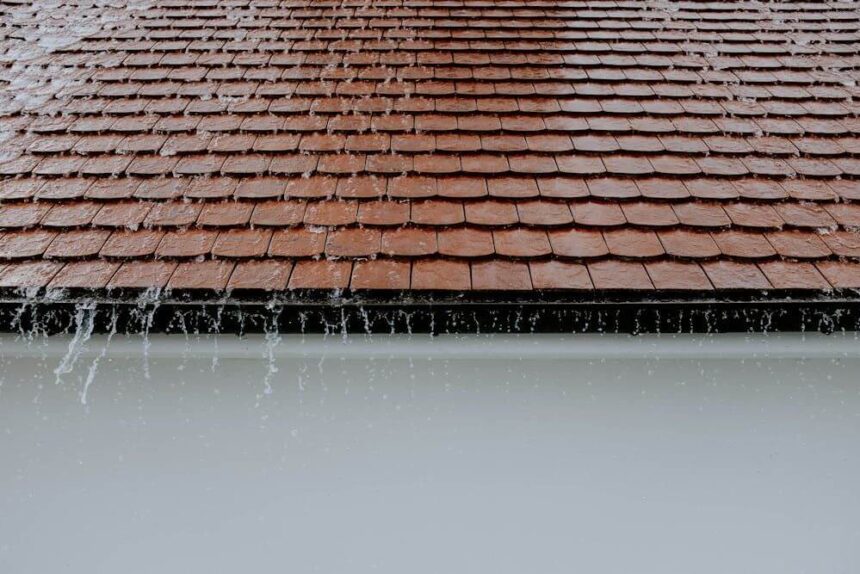
A ready-for-anything-at-any-time mindset is often ignored until a storm warning shows up on the screen. Homes are expected to handle pressure, yet most are not built with that pressure in mind. Wind does not tap lightly, it hits hard. Rain does not settle quietly, it forces its way in through weak spots. That is when small flaws turn into big problems, fast problems.
Many upgrades focus on how a home looks, while strength is quietly pushed aside. Paint gets refreshed, finishes get upgraded, but structural protection is delayed again and again. That delay creates risk – and risk does not wait for convenience. A single weak entry point can undo years of careful maintenance.
Think about a home during peak storm conditions. Winds push against doors, debris strikes surfaces, and pressure builds from all sides. What holds? What fails first? These questions are rarely asked early enough.
Real protection is not added at the last minute. It is built in, layer by layer, with intention. When every part of the home is prepared, the outcome changes completely. When it is not, the damage speaks for itself.
Start With The Entry Points, That Is Where It Breaks First
Doors and windows are often the first areas to fail under pressure. Standard materials may hold under normal conditions, but extreme weather pushes them beyond limits. Reinforcing these entry points changes how a home responds during storms.
One of the most effective upgrades involves installing custom hurricane-rated doors that are built to handle impact and pressure. These doors are designed with reinforced materials, and they resist both wind and debris effectively. Unlike standard doors, they do not just close a space, they protect it actively.
Consider a situation where strong winds push debris toward a home. A standard door may crack or give in. A reinforced system holds firm, reducing damage inside. That difference is not minor, it is what defines how much recovery is needed later.
Walls And Frames Need To Do More Than Just Stand
Structural strength goes beyond surface-level improvements. Walls and frames should be able to distribute pressure rather than absorb it all at once. When force is concentrated, damage increases quickly.
Reinforced framing methods can be used to improve resistance. Materials that resist moisture should also be considered, especially in areas exposed to heavy rainfall or flash floods. These changes are not always visible, but their impact is significant.
Think about a home where walls are not reinforced properly. Water seeps in, pressure builds, and small cracks turn into larger issues. Now compare that with a structure built to redirect pressure. The outcome shifts completely.
Strength inside the structure supports everything outside it – without that, upgrades lose effectiveness.
The Small Details That Hold Everything Together
Major upgrades get attention, but smaller details often decide the final outcome. These details act as connectors that keep the entire system functioning under stress.
- Weatherstripping should be installed properly to block water and air intrusion
- Seals around doors and windows should be checked regularly for gaps
- Drainage systems should be maintained so water does not collect near the foundation
- Roof edges should be secured to prevent lifting during strong winds
- Fasteners and hinges should be reinforced to handle repeated pressure
Each of these points supports the larger structure. And these are details that should be understood before hiring renovation builders. When ignored, they turn into weak links. When maintained, they reinforce the entire system.
Are these small details being checked regularly or left as they are? That difference shows during storms.
Also, these small components may seem routine, but they carry real weight under pressure. A loose seal or weak hinge does not fail quietly, it creates a chain reaction. Water finds entry, air pressure shifts, and structural strain increases. Over time, these minor oversights add up and reduce the effectiveness of larger upgrades. When each small element is secured and maintained, the entire system holds together more reliably. That is what keeps performance consistent when conditions turn harsh.
Energy Efficiency And Protection Can Work Together
Storm protection does not have to come at the cost of efficiency. In fact, many protective upgrades improve insulation as well. This creates a dual benefit that should not be ignored.
Reinforced doors and windows often include insulating materials. These materials help regulate indoor temperature while blocking external elements. Over time, this reduces energy usage and improves comfort.
Seals and frames are designed to limit air leakage, which keeps conditioned air inside longer. That reduces how often cooling systems need to run. Less strain is placed on equipment, and long-term maintenance costs are lowered.
Heat transfer is also minimized when insulated components are installed correctly. During hot conditions, less heat enters the home. During cooler periods, indoor warmth is retained more effectively. This balance creates a stable indoor environment.
Think about a home during peak summer heat. Outside temperatures rise, and pressure builds against the structure. A poorly insulated setup allows heat to seep in quickly. A reinforced and insulated system slows that transfer, keeping the interior cooler without constant adjustments.
Efficiency and protection are not separate upgrades – they are part of the same system. When combined properly, they deliver comfort, savings, and resilience at the same time.
Consistency Turns Protection Into Real Security
One upgrade does not create a stronghold. Protection becomes effective when improvements are applied consistently across the home. Gaps between upgrades weaken the overall system.
Every part of the structure should be reviewed regularly. Wear and tear should be addressed before it becomes a problem. Preventive action reduces long-term damage significantly.
A home that is maintained consistently performs better during extreme conditions. One that is updated occasionally may still have hidden weaknesses.
Is protection being treated as a one-time project or an ongoing process? That question matters more than expected.
Strong homes are not built overnight. They are developed through thoughtful upgrades and consistent attention. When each part works together, the home becomes more than a shelter. It becomes a space that holds firm, even when conditions turn harsh.