


Working from home brings massive flexibility. You can set your own hours and skip the morning commute. Many business owners struggle to maintain their focus throughout the day. Small mistakes in how you arrange your workspace can silently drain your efficiency.
Buying Storage Solutions Too Early
Many people start their business setup by ordering desk organizers and shelving units. They assume new gear automatically creates an efficient workflow. If you operate out of a workshop, investing in heavy-duty options like modular garage storage before mapping your actual inventory leads to wasted money. You end up with empty bins that fail to fit your tools.
Spaces quickly become cramped when items lack designated spots. Planning your layout first prevents buying useless containers. Measure your available floor space before spending even $1 on furniture.
A poor layout forces you to walk across the room constantly. This constant movement chips away at your billable hours. Proper planning keeps your most frequent tools within arm’s reach.
Mixing Personal and Professional Spaces
Working on the kitchen counter or the living room couch seems convenient. This habit blurs the boundary between your job and your home life. A publication recently stated that your home office setup might be the direct reason your daily output falls short. Blending your family area with your commercial tasks creates constant interruptions.
You need a dedicated zone that signifies you are on the clock. Family members must respect this boundary during your operating hours. A separate room allows you to shut the door on domestic chores.
When papers mix with domestic mail, critical receipts vanish. Finding a client contract under a pile of magazines wastes 15 minutes.
Misjudging Storage Needs and Containers
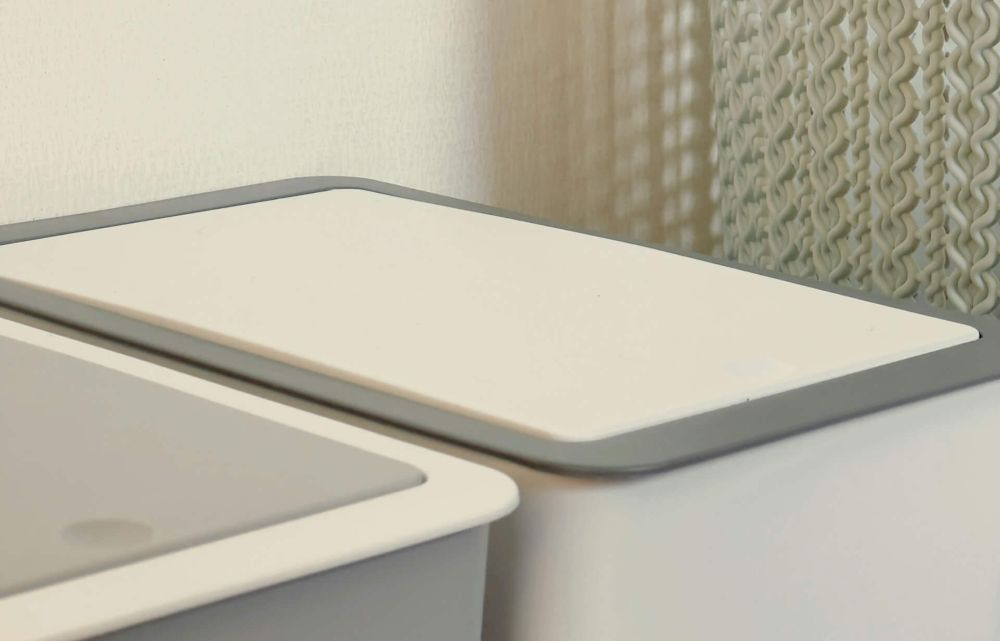
People often buy sleek bins before they know what items will go inside. This eager shopping trip results in a mismatched collection of plastic boxes. A professional organization blog noted that individuals often purchase containers before figuring out space usage. You must sort your gear before choosing a filing system.
Sorting items reveals exactly what needs to be stored. Use these steps to handle inventory:
- Group similar items together on a large table.
- Purge outdated documents and broken equipment.
- Count the remaining pieces to determine bin sizes.
Confusing Neatness With Actual Output
A clean desk looks beautiful, but does not guarantee success. You can spend hours alphabetizing folders without finishing a single commercial project. An efficiency expert pointed out that being organized does not mean you are using your time well. True productivity relies on completing high-value tasks.
Shuffling papers around creates an illusion of progress. This habit tricks your brain into thinking you worked hard. You must focus on actions that generate revenue for your brand.
Set specific times for administrative maintenance. Spend 10 minutes at the end of the day clearing your surface. This keeps the area ready for the next morning.
Clutter blocks your vision, but a lack of action stalls your growth. Balance physical tidiness with a strict focus on your goals.
Ignoring the Physical Environment Design
Working in a dark corner hurts your stamina. Dim lighting strains your eyes and causes fatigue. A design study revealed that employees with well-designed home offices were 15% more productive than those in cluttered spaces. Good design boosts speed – a chaotic room drags your energy down.
Your surroundings dictate your daily comfort. Spending 8 hours on an uncomfortable chair ruins your posture. Investing in ergonomic furniture prevents chronic pain.
Air circulation matters during long work sessions. A stuffy room reduces your mental clarity. Keep a window open to maintain fresh air flow.
Colors influence your mood during long tasks. A pleasant view from your desk keeps your mind sharp.
Overlooking Digital Document Storage
Physical clutter is easy to spot, but digital clutter is just as dangerous. Saving files to your desktop creates a chaotic virtual environment. A financial report noted that organizing involves rearranging items in a disorganized state to retrieve them quickly with less effort. This concept applies directly to your computer’s hard drive.
Create a clean folder hierarchy for every client. Use consistent naming conventions for your invoices. This habit saves hours of searching during tax season. Clean virtual spaces reduce mental fatigue.
Back up your data to a secure cloud service every evening. Hardware failures can wipe out months of commercial operations. Protect your digital assets with the same care as your physical tools.
Maintaining an efficient home workspace requires regular adjustments. Small tweaks to your physical setup can yield massive improvements in your daily focus. Avoid the temptation to buy storage gear before planning your layout.
Separate your domestic life from your professional tasks to protect your time. Consistent habits build a sustainable business model that lasts for years.