

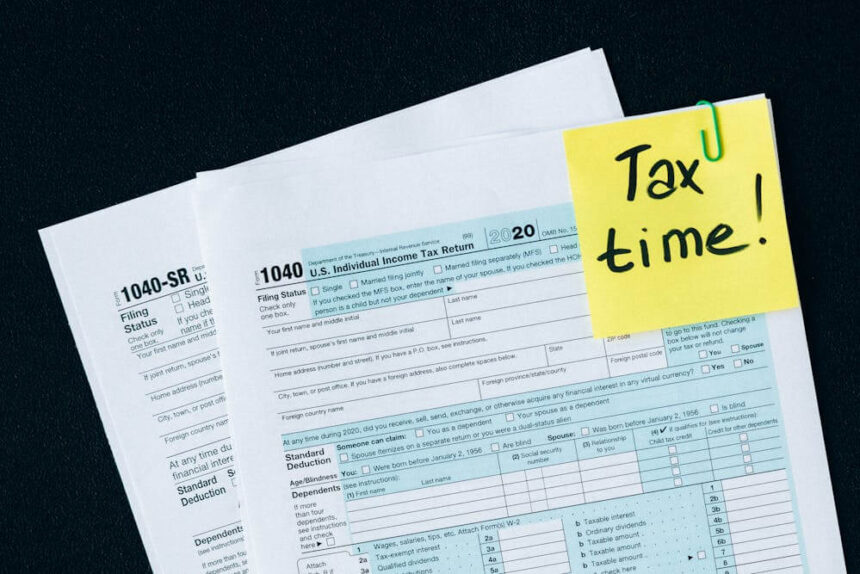
For many entrepreneurs, tax season brings a familiar sense of stress. The worry rarely comes from paying taxes alone, but from not knowing what the final number will be. When income records are scattered or expenses are inconsistently tracked, estimating taxes becomes guesswork. That uncertainty can lead to cash flow problems, missed planning opportunities, or a painful surprise when returns are filed.
Learning how to estimate taxes using your own financial records changes that dynamic. It gives business owners clarity and control well before deadlines arrive. More importantly, it supports smarter growth decisions. When you understand how today’s income affects tomorrow’s tax bill, you are better equipped to plan hiring, pricing, and reinvestment with confidence.
Why Estimating Business Taxes Is Harder Than It Looks
At first glance, estimating taxes may seem simple, just subtracting expenses from income. In practice, the calculation is far more layered. Business owners must account for income tax, self-employment tax, payroll requirements, and how tax elections affect each obligation. One common election is S corporation status, which allows qualifying businesses to pass income directly to owners while applying different rules to wages and distributions. These distinctions make tax estimation more sensitive to the accuracy of financial records. As income increases, managing these details manually becomes less reliable, especially for owners who need precise projections rather than approximations.
Many business owners turn to online tax calculators to better understand their obligations and explore smarter planning options. One of the reliable tools available online is an S Corp tax calculator, which can be especially useful for translating complex IRS rules into clear estimates. It allows owners to see how different income levels or tax structures may affect their tax obligations, making it easier to evaluate whether a more efficient approach makes sense as the business continues to grow.
Understanding the Difference Between Gross Revenue and Taxable Income
One of the most common mistakes business owners make is confusing gross revenue with taxable income. Gross revenue is the total amount earned before any expenses are considered. Taxable income is the amount remaining after allowable deductions and adjustments. The difference between the two can be significant.
Rent, software, professional fees, and marketing costs often reduce taxable income substantially. When owners estimate taxes based solely on revenue, they tend to overestimate their tax liability. Understanding this distinction allows for more realistic projections and prevents unnecessary cash from being set aside for taxes that may never be owed.
What Counts as a Deductible Business Expense
Deductible business expenses must meet the IRS requirement of being both ordinary and necessary. Ordinary refers to costs typical in your industry, while necessary means they directly support day-to-day business operations. Common examples include office supplies, insurance premiums, professional development, and certain business travel expenses. Correctly identifying and classifying these costs is critical.
When personal and business expenses are mixed, errors become more likely, and valid deductions may be lost. Accurate tracking and proper categorization lead to more reliable tax estimates.
How Self-Employment Taxes Affect Your Bottom Line
Self-employment taxes are often underestimated, especially by newer business owners. In addition to income tax, self-employed individuals are responsible for covering Social Security and Medicare taxes that employers typically share with employees. Because these taxes are calculated on net earnings, even modest profit growth can create a noticeable jump in what you owe. Estimating this portion accurately helps prevent underpayment and supports better cash flow planning throughout the year.
How Your Business Structure Changes Your Tax Liability
Your business structure plays a major role in how taxes are calculated and paid. Sole proprietors are taxed directly on all profits, which can increase exposure to self-employment taxes. As income grows, structure becomes more than a legal formality. It becomes a strategic decision that can influence long-term tax efficiency and compliance.
Why Quarterly Estimated Payments Matter More Than You Think
Quarterly estimated payments are designed to keep business owners current with their tax obligations throughout the year. Failing to make these payments, or underpaying them, often results in penalties and interest. More importantly, it creates cash flow strain when a large balance comes due at the time of filing. Regular estimates allow owners to spread tax payments evenly and adjust as income changes.
Using Past Financial Data to Anticipate Future Tax Brackets
Historical financial data is one of the most valuable tools for tax estimation. Reviewing prior income and expense patterns helps identify growth trends that may push your business into a higher tax bracket. By comparing current performance with previous years, it becomes easier to estimate where income will land by year’s end. That awareness supports smarter decisions around spending, saving, and timing income or deductions.
A Pre-Filing Checklist for Organizing Financial Records
Organizing financial records before filing simplifies tax estimation and reduces errors. Key documents include profit and loss statements, balance sheets, payroll records, and receipts for major expenses.
When records are complete and easy to access, tax professionals can work more efficiently and provide better guidance. For business owners who file independently, organized records reduce guesswork and increase confidence. Preparation also shortens the time spent correcting mistakes or responding to follow-up questions.