

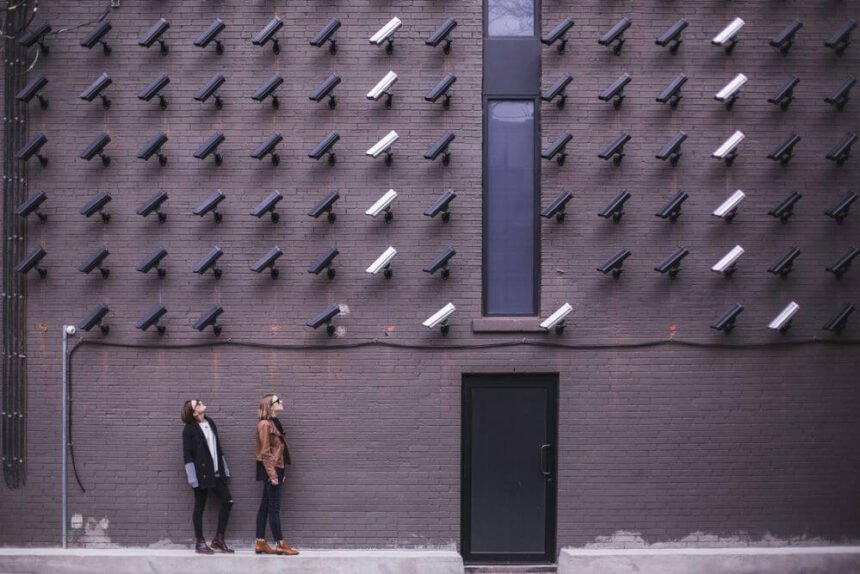
A camera, alarm or guard can support business security, but none of them forms a complete strategy alone. Every control has a gap. A camera may record an intruder without stopping entry. A strong door may delay entry without alerting anyone, while an alarm may detect a breach but leave staff unsure how to respond.
Layered security addresses those gaps by combining measures that deter, control and detect activity while delaying intrusion and supporting a response. The right mix depends on the site’s assets, layout, operating hours and credible threats. It should be based on evidence rather than fear or a generic equipment package.
Begin with a risk assessment
Start by identifying what the business needs to protect. Include people, cash, stock, sensitive records, vehicles, plant, technology and the ability to keep operating. Consider the consequences of theft, vandalism, violence, unauthorised entry, fire and extended disruption.
Map the property from its boundary to the most important internal areas. Record vehicle and pedestrian entrances, doors, windows, loading docks, roof access, shared corridors and service areas. Observe the site during business hours and after dark, as lighting, staffing and neighbouring activity can change the risk picture considerably.
Review previous incidents and near misses. Staff may know about tailgating, doors propped open or suspicious activity that never reached a formal report. Maintenance records can reveal recurring lock or alarm faults. Current local crime data may provide useful context, but broad statistics should not replace a site-specific assessment.
Give each risk an owner and assign its priority based on likelihood, consequence and existing controls. This creates a rational order for investment. It also prevents a highly visible but low-value purchase from consuming the budget while a basic vulnerability remains open.
Build the deterrence layer
Deterrence aims to make unwanted behaviour less attractive before an incident begins. It works best when the property appears observed and maintained, with entry difficult to achieve unnoticed.
Improve sightlines by trimming vegetation, removing visual obstructions and arranging reception or active work areas so they overlook entrances. Provide suitable lighting at doors, paths, loading zones and car parks. Lighting should support observation without producing glare or deep shadows that reduce camera image quality and staff visibility.
Use clear signs to distinguish public, staff-only and restricted spaces. Fences, gates, bollards and landscaping can guide people towards controlled entrances. These measures reflect crime prevention through environmental design, which uses the physical setting to support natural surveillance and access control while encouraging a sense of ownership.
Visible cameras, alarm indicators or patrols may add deterrence when they are genuine parts of the system. Avoid signs claiming the site uses controls that are not actually present. A determined offender may test the claim, and staff may develop a false sense of confidence.
Control who can enter
The next layer limits movement into and through the premises. Begin with doors, locks, windows and other physical openings. A sophisticated access-control system cannot compensate for a damaged frame, an unprotected emergency exit or a loading door that is routinely left open.
Electronic credentials can be easier to revoke than keys, and they can create an audit trail. Assign access according to job requirements rather than giving every worker broad permissions. Remove access promptly when employment or supplier arrangements end. Review active credentials regularly so old contractors and forgotten temporary passes do not remain authorised.
Visitor management should suit the site and its risks. Reception staff need a process for verifying appointments, issuing passes and notifying hosts. Deliveries should go to a defined point rather than moving through work areas. Contractors may require induction, escorts or time-limited access, depending on the circumstances.
Tailgating is both a technology problem and a behavioural one. Turnstiles or interlocks can help at some sites, but staff still need clear instructions on how to challenge an unknown person safely and whom to contact. Workers should not be placed in avoidable danger simply to enforce a door rule.
Add detection that leads to action
Detection provides timely awareness of suspicious activity or a breach. CCTV, intruder alarms, duress devices and monitoring can all contribute, but only when the system produces useful information and someone is prepared to act on it.
Design cameras around a defined purpose. A wide overview can show movement through an area, while identification at an entrance may require different positioning and image detail. Check performance under the site’s actual lighting conditions. Trees, signs, glare and moving stock can block a view that appeared clear on a drawing.
Decide how long footage needs to be retained and who may view or export it, then establish how requests will be recorded. Privacy, workplace and surveillance obligations need to be considered throughout design and operation. Recorders and administrative accounts should also be protected against unauthorised access.
Configure alarms in zones that correspond with the way the site is used. Poorly placed sensors, weak procedures and unresolved faults create nuisance activations, which can undermine trust in the system. Keep call-out details current and test communication paths instead of assuming an alarm reached the intended recipient.
Remote monitoring can allow an operator to assess an alert and follow agreed instructions. The response plan should define when to contact a site representative, guard or emergency service. Technology is useful when it shortens the path from detection to a decision, rather than merely generating more notifications.
Use delay to buy response time
Delay measures slow movement towards important assets. Quality doors and locks, internal partitions, secure cabinets, shutters and protected rooms can all provide more time for a response.
Place stronger delay measures around the assets with the highest consequences instead of treating every internal space identically. A public reception area has different requirements from a server room, cash office or controlled-drug store. Layered zoning also ensures that passing the first boundary does not provide unrestricted access to the rest of the property.
Emergency egress must remain safe and compliant. A control intended to keep an intruder out must not trap occupants inside. Changes to doors, locking mechanisms or paths should be reviewed by appropriately qualified people, with fire and building requirements taken into account.
Define the human response
An alert is useful only when people know what to do. Write a concise incident response plan for the situations that matter most to the business. It should identify who receives alerts and makes decisions, as well as how staff seek help and protect essential operations.
Create scenario-specific actions for break-ins, threatening behaviour, duress alarms, suspicious packages and system failures. Include safe evacuation or lockdown principles where relevant, but make sure the plan suits the premises and receives competent review. Emergency services should be contacted through the appropriate channels whenever immediate danger exists.
Practise the plan. Desktop exercises can test contact details and decision-making without disrupting the site. Drills may reveal inaudible announcements, unclear assembly points or managers who cannot access essential records remotely. Record the lessons and assign responsibility for improvements.
Guards can provide visible deterrence and observation, along with a trained response, where the assessment justifies their presence. Their duties, authority, escalation rules and reporting requirements should be clear. Businesses engaging security providers in New South Wales should verify that the company and personnel hold the licences required for the services being supplied.
Treat networked security devices as IT assets
Modern cameras, intercoms and access-control panels often connect to business networks or cloud services. This provides operational benefits, but it also creates cyber risk. Default passwords, unsupported firmware and excessive administrator access can expose both security systems and the wider organisation.
Involve IT teams during design. Place devices within an appropriate network architecture, restrict unnecessary communication and use unique credentials. Apply supported updates through a controlled process, back up configurations and record device ownership. Remote access should use secure methods and remain limited to people who need it.
Plan for outages by deciding what doors do when power or network connectivity fails, how alarms communicate during a primary-path failure and how operators identify devices that have gone offline. Test backup power and recovery procedures under controlled conditions.
Supplier access needs governance as well. Know which external parties can connect, how their access is approved and whether activity is logged. Credentials should be removed when contracts end.
Make employees an active layer
Staff often notice unusual behaviour before a device does. Give them a straightforward way to report concerns, hazards and near misses. Explain what information is useful, including the time, location, description and direction of travel, without encouraging unsafe confrontation.
Include security in staff induction. Cover access cards, visitors, keys, clear-desk expectations, emergency contacts and the process for lost devices. Provide brief refresher sessions whenever procedures or systems change.
Managers must support the rules. If senior staff routinely lend cards, bypass sign-in requirements or leave secure doors open, the organisation teaches everyone that convenience takes priority over security. Practical procedures backed by consistent leadership produce better compliance than lengthy policies that do not reflect daily work.
Phase investment by risk
Not every business needs every control. A small office, late-night retailer, warehouse and multi-tenant building each has different exposure and response needs. Use the risk register to close the largest credible gaps first.
The first phase may include relatively simple improvements such as repairing doors, replacing obsolete access arrangements, improving lighting, clarifying visitor routes and updating emergency contacts. Later phases can add electronic access, improved cameras, monitoring or guarding where the assessment supports them.
Some organisations can coordinate separate suppliers and internal teams. Others prefer an integrated provider to align systems, monitoring and response. When comparing security services sydney businesses should examine licensing, scope, escalation procedures, maintenance arrangements, reporting and responsibility for each layer instead of selecting a provider on equipment price alone.
Define acceptance tests before installation. Confirm camera views by day and night, test alarm signals and verify access permissions. Where it is safe to do so, simulate a loss of power or connectivity. Record system settings and train the people who will operate them.
Review the system continuously
Security does not finish at handover. Review access lists, incidents, false alarms, faults and response times. Inspect doors, lighting, barriers and signs. Test systems at an appropriate frequency and maintain them in line with supplier and regulatory requirements.
Repeat the risk assessment after a move, renovation, change in operating hours, arrival of new high-value stock or significant incident. Threats and business operations change over time, so the controls must change with them.
A strong security programme is a connected chain. The site deters casual intrusion, controls movement and detects meaningful events while delaying access to important assets and supporting a practised response. When those layers are chosen through a genuine assessment and maintained together, the business is better prepared than it would be with any single product.