

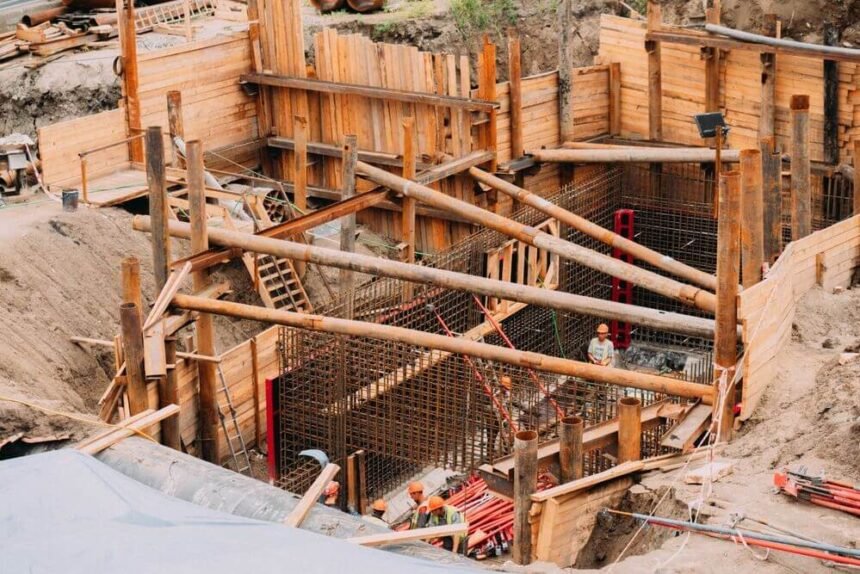
Construction site fencing is one of the first safety measures established before work begins. A properly planned perimeter helps organize the project, control access, and protect both workers and the surrounding public. Since every job site has different conditions, choosing the right fencing solution requires more than selecting fence panels.
This article explains when temporary construction fence rental options should be considered, what professionals evaluate before installation, the final planning decisions that affect site safety, and why careful preparation supports efficient project operations.
When Construction Site Safety Fencing Becomes Necessary
Construction fencing should be planned before site activity begins, rather than after equipment and workers arrive. Early installation helps establish secure boundaries, organize access points, and reduce unnecessary safety risks as the project develops.
Projects that commonly require temporary fencing include:
- New building construction where active work zones require controlled public access.
- Demolition projects that create debris, dust, and changing site conditions.
- Excavation work involving trenches, foundations, or uneven ground surfaces.
- Roadside construction where vehicles and pedestrians travel near work areas.
- Utility installation projects that expose underground infrastructure.
- Sites located near schools, businesses, or public gathering areas.
- Projects storing valuable equipment or construction materials outdoors.
Projects with changing site conditions usually benefit from perimeter planning before work begins.
What Professionals Evaluate Before Fence Installation
Every construction site presents different challenges, making a detailed site assessment an important part of planning. Professionals evaluate both the physical layout and the daily activities taking place on the property before recommending a fencing solution.
Site Conditions
The first step is understanding the physical characteristics of the project site.
Professionals typically evaluate:
- Property boundaries and available installation space.
- Ground conditions and surface stability.
- Slopes or uneven terrain.
- Existing buildings and surrounding structures.
- Underground utilities and restricted installation areas.
A careful site review helps determine the safest and most effective fence placement before installation begins.
Project Requirements
Daily construction activities also influence fencing decisions because access needs may change throughout the project.
Professionals consider:
- Expected project duration.
- Worker entry and exit locations.
- Equipment movement throughout the site.
- Material delivery routes.
- Gate placement for vehicles and personnel.
- Future expansion of active work areas.
Professionals may also recommend the most suitable temporary fence rental solution based on project requirements and expected site changes.
Final Planning Decisions Before Installation
Once site conditions have been evaluated, several final decisions help ensure the fencing continues supporting safety throughout the project. Proper planning reduces the need for unnecessary adjustments after construction begins.
Important considerations include:
- Appropriate fence height for the project.
- Stable panel placement and secure anchoring.
- Clearly controlled access points.
- Locations for required safety signage.
- Protection around equipment and material storage.
- Flexibility to relocate fencing as work progresses.
- Compliance with project specifications and local requirements.
Reviewing these details before installation helps create a safer and more organized construction site from the beginning.
Why Professional Fence Planning Improves Long-Term Site Safety
Construction sites rarely remain unchanged throughout the life of a project. As work progresses, access routes, storage areas, and active work zones may all shift. Professional planning helps ensure the fencing continues supporting site operations as these changes occur.
Experienced fencing professionals can recommend perimeter layouts that improve traffic flow, maintain secure access, and adapt as construction activities evolve. Providers offering temporary construction fence rental options can evaluate site conditions and recommend fencing layouts that support both safety requirements and day-to-day project operations. Their planning helps projects remain organized while reducing avoidable safety concerns throughout every phase of construction.
Construction site fencing delivers the greatest value when planning begins before installation. Evaluating site conditions, organizing access points, selecting appropriate fence configurations, and working with experienced professionals all contribute to safer and more efficient project management. Careful preparation helps ensure the fencing continues supporting security, organization, and operational needs throughout every stage of construction, allowing projects to move forward with greater confidence and improved site safety.