

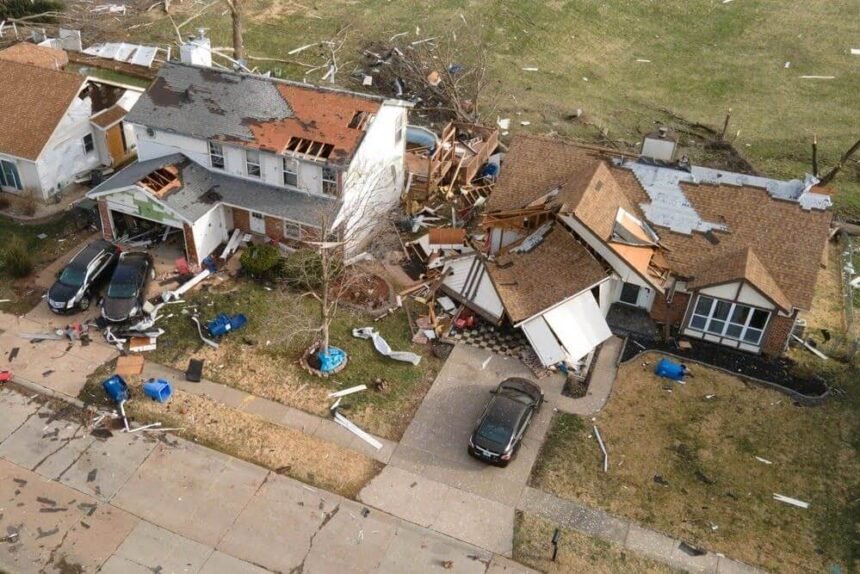
A hurricane leaves behind more than broken glass and scattered branches. Some of the most serious damage does not show itself right away and instead hides inside walls, roofs, and systems of a home. In busy recovery days, homeowners in Miami, FL, often assume that what they see is the full picture, but that is rarely the case.
Small signs are often overlooked, and those small signs can slowly grow into bigger problems over time. This is where a hurricane claims attorney in Miami, FL, may sometimes become part of the conversation when damage reports and insurance claims begin to unfold.
Why Hidden Hurricane Damage Happens
Hurricane damage is not always loud or obvious. Wind pressure and heavy rain can affect parts of a home without leaving clear marks on the surface. A house may look stable from the outside, but inside, small weaknesses can already be forming.
After a storm passes, most attention goes to visible destruction like fallen trees or damaged fences. This focus often causes deeper issues to be missed. The real challenge is that hidden damage does not stay quiet for long. It slowly develops until it becomes something much harder to ignore or repair.
Roof Damage That Quietly Spreads
One of the most common missed problems after a hurricane is roof damage. It does not always appear as a full collapse or a large hole. Instead, it can start with slightly lifted shingles or weak edges that seem minor at first glance.
These small openings can allow water to enter the structure during later rainfall. Once moisture gets inside, it begins to spread under roofing layers. Homeowners may not notice anything wrong until stains appear on ceilings or leaks become visible indoors. By that time, the damage has often grown beyond its original point.
Water Hidden Inside Walls and Ceilings
Water intrusion is another issue that often goes unnoticed after a storm. Moisture can enter through small cracks, roof gaps, or damaged siding and then get trapped inside the walls.
At first, there may be no visible sign at all. Over time, however, changes begin to appear. Paint may bubble, walls may feel damp, or a musty smell may develop. These signs usually mean that water has been present for longer than expected.
In Miami, FL, where humidity is already high, trapped moisture can spread more quickly and affect larger sections of the home before it is discovered.
Structural Changes That Develop Slowly
Not all damage is about water or wind entry. Hurricanes can also affect the structure of a home in subtle ways that appear later.
Small Cracks That Expand
After a storm, thin cracks in walls or ceilings may not seem serious. Many homeowners assume they are only surface-level. Over time, however, these cracks can widen as the structure shifts or reacts to moisture changes.
Slight Shifts in the Home
Doors that no longer close properly or windows that feel uneven can be signs of structural movement. These changes may happen slowly, making them easy to dismiss at first. Yet they often point to deeper shifts caused by storm pressure or flooding impact.
Electrical and System Issues That Appear Later
Electrical systems can also be affected during hurricanes, even if everything seems normal right after the storm. Power surges or moisture exposure can weaken wiring or appliances.
Air conditioning systems may also be impacted. A unit might still run initially but begin to fail days or weeks later. These delayed issues can be confusing for homeowners because they do not appear immediately linked to the storm.
Mold That Develops Out of Sight
Mold growth is one of the most delayed problems after hurricane damage. It often begins in hidden areas where moisture is trapped, such as behind walls or under flooring.
At first, there are no clear signs. Later, odors or visible patches may appear. By that point, the spread may already be extensive. In Miami, FL, where warm and humid conditions support faster growth, this issue can become more serious if not identified early.
Why Hidden Hurricane Damage Often Becomes an Insurance Dispute
Many homeowners in Miami, FL, discover that insurance companies only account for the most visible storm damage, such as broken windows or missing shingles. However, as time passes, hidden issues like water intrusion, mold growth, and structural weakening begin to surface. These delayed problems are frequently more expensive to repair than the initial damage.
This gap between what is immediately visible and what develops later often leads to disagreements during the insurance claims process. Insurers may argue that certain damage was pre-existing or unrelated to the hurricane, especially when it is not documented right after the storm.
Because of this, homeowners sometimes seek guidance from a hurricane claims attorney in Miami, FL, when insurance carriers deny or undervalue claims involving hidden or progressive damage. Legal support can help connect delayed damage back to the original storm event through documentation, inspections, and expert evaluations.
Understanding how insurers evaluate timing and causation is critical, especially in cases where damage becomes apparent weeks or months after the hurricane has passed.
Conclusion
Hurricane damage in Miami, FL, is rarely limited to what is visible immediately after the storm. Roof issues, hidden water intrusion, slow structural changes, and delayed system failures often develop quietly over time. These problems can remain unnoticed until they become more serious.
Paying attention to small changes early can help homeowners understand the real condition of their property. What seems minor today may reveal a much larger issue later, which is why careful observation after a storm matters more than it first appears.