

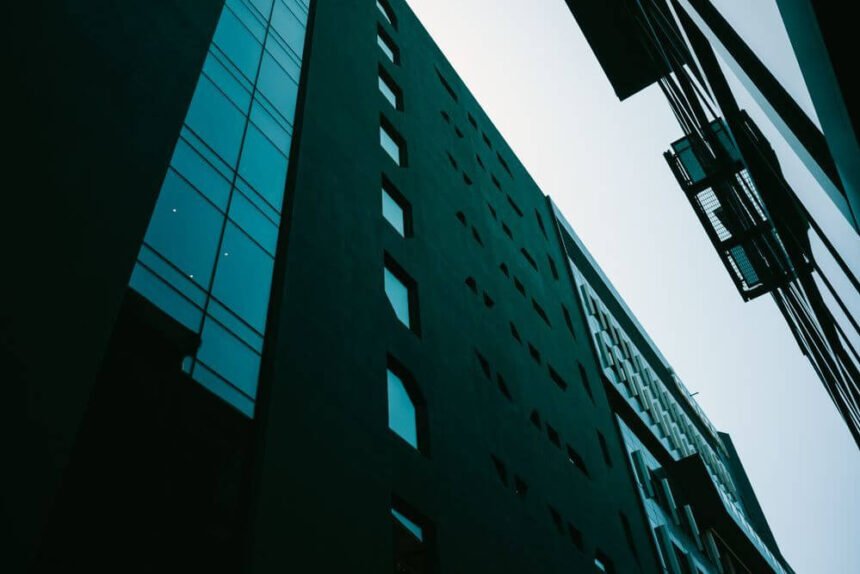
Most of us travel to see a place. Increasingly, though, people are traveling to see a building. A striking museum, a sculptural hotel, a house that doubles as a work of art, these have become reasons to book a trip in their own right. Welcome to architecture tourism, where the structure is not the backdrop but the main event.
It is a movement with deep roots and fresh momentum. From ancient temples to glass towers, humans have always been drawn to remarkable buildings. What has changed is how central that draw has become to the way we plan our travels. Here is why the built world is pulling travelers in, and what makes a building worth the journey.
Why a Building Becomes a Destination
A building earns destination status when it offers something you cannot get from a photograph. Scale you have to stand beneath to grasp, light that shifts through a space as the day moves, materials that beg to be touched. Great architecture is a physical experience, and that is precisely why people travel for it.
The appeal is not limited to museums and monuments, either. A place to stay can be the attraction itself, as with the design-forward O2 Resort Valle de Guadalupe, which draws visitors who want to live inside thoughtful architecture rather than merely tour it. When the building is where you sleep, the experience deepens.
The Long History of Building-Led Travel
Architecture tourism is far from new. For centuries, travelers crossed continents to stand before cathedrals, palaces, and temples. The grand tour of past eras was, in large part, an architectural pilgrimage. The instinct to seek out human-made wonders is woven into the history of travel itself.
What is new is the breadth. Today the buildings that draw crowds range from ancient ruins to cutting-edge concert halls to private homes opened for tours. The definition of an architectural landmark has widened, and with it the range of trips built around one.
The Rise of the Iconic Modern Landmark
In recent decades, bold contemporary buildings have become powerful magnets for travelers. A single striking structure can put a whole city on the map, drawing visitors who come specifically to see it. The phenomenon has reshaped how cities think about design, ambition, and their place on the tourist trail.
These landmarks work because they are photogenic, yes, but also because they promise an experience. People want to move through the space, sense its proportions, and understand in person what the images only hint at. The building becomes a story you can step inside.
When Hotels Are the Attraction
Some of the most rewarding architecture tourism happens where you stay. A growing number of travelers choose accommodation not for its location alone but for the design of the building itself. Sleeping inside a beautifully conceived space turns the architecture from a sight into a lived experience.
These design-led properties reward slow attention. Rather than glimpsing a landmark for an hour, you inhabit it for days, noticing how the light changes, how the spaces flow, how the structure frames its surroundings. It is architecture appreciated at the pace it deserves.
How to Travel for Architecture
Planning an architecture-focused trip starts with curiosity about what moves you, whether ancient stonework, sleek modernism, or buildings that blur into their landscape. Research opening times, book tours where needed, and allow more time than you think, since great spaces reward lingering.
Consider weaving where you stay into the theme. Choosing a building of genuine architectural interest as your base turns the whole trip into an immersive design experience, with the structure shaping your days from the moment you wake until the moment you turn out the light.
Frequently Asked Questions (FAQs)
1. What Is Architecture Tourism?
It is travel motivated mainly by the desire to see and experience buildings, whether historic landmarks, modern icons, or design-led spaces. The structure itself is the primary reason for the trip.
2. What Kinds of Buildings Draw Travelers?
Everything from ancient temples and cathedrals to contemporary museums, concert halls, and design-forward hotels. The common thread is a building remarkable enough to be worth the journey on its own.
3. Why See a Building in Person Rather Than in Photos?
Architecture is a physical, spatial experience. Scale, light, materials, and movement through a space cannot be captured in an image, which is exactly why people travel to encounter buildings firsthand.
4. Can Where I Stay Be Part of Architecture Tourism?
Absolutely. Design-led hotels and distinctive properties let you live inside notable architecture, turning your accommodation into an attraction in its own right rather than just a place to sleep.
5. How Do I Plan an Architecture-Focused Trip?
Start with the styles or structures that fascinate you, check access and tour details in advance, allow generous time at each site, and consider choosing a base that is itself architecturally interesting.