

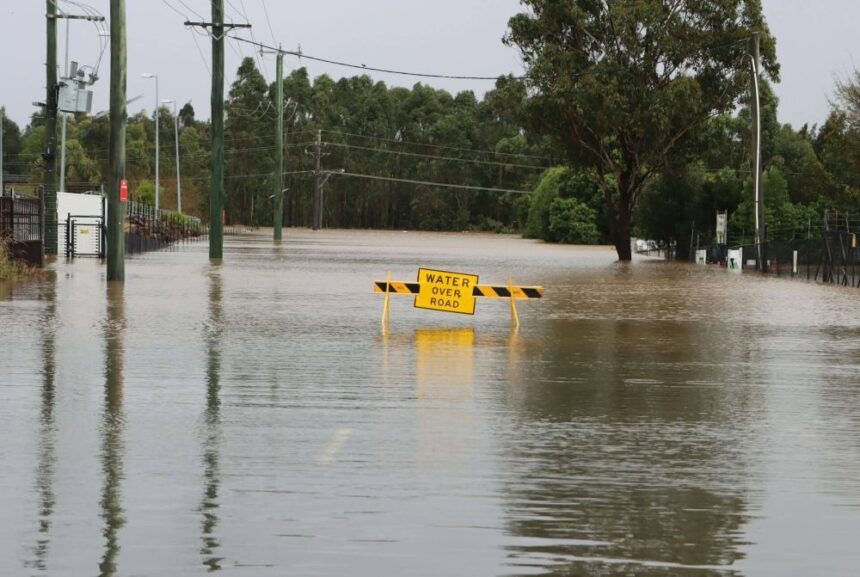
Heavy rains can turn a standard workday into a complete disaster within minutes. Standing water destroys electronic gear, ruins flooring, and halts production schedules instantly.
Every business needs a clear roadmap to handle sudden flooding before the building fills with water. Preparing ahead makes the difference between a temporary pause and closing your doors permanently.
Mapping Out Your Initial Risks
Water damage arrives in many forms, from ruptured pipes to overflowing local rivers. Understanding your specific building vulnerabilities helps you pinpoint where blockages or leaks might happen. You must inspect low-lying zones like basements or storage closets where inventory sits on the floor.
Setting up physical barriers before storm seasons hit can block rising tides. Moving electronics away from ground levels prevents total equipment loss when heavy rain hits. Small changes in your storage layout keep expensive items completely dry.
Evaluating local topography gives you insight into potential runoff paths. Properties located at the bottom of hills face higher risks during heavy cloudbursts. Identifying these weak spots allows you to install drainage systems early.
Planning Immediate Remediation Steps
Fast action prevents mold from growing inside wet walls after a major leak. When local storms cause indoor pooling, the team behind https://cottongds.com/water-restoration says that swift water extraction keeps structural decay to a minimum. Professional crews use heavy pumps to clear rooms before rot takes hold.
Acting within the first 24 hours limits the spread of contamination. Waiting too long creates deeper problems for your flooring and drywall materials. Mitigating water quickly saves $10,000 or more in reconstruction fees. It allows your company to open its doors much sooner.
Training Your Workforce For Disasters
Clear communication keeps your staff safe when flash floods hit your facility. Employees need to know exactly where to go when alarms sound or evacuation orders arrive. Assigning specific roles before an incident prevents panic on the warehouse floor.
An Australian emergency response group suggests practicing safety procedures regularly so all workers know their exact duties during a crisis. Conducting walkthrough drills clarifies escape paths and assembly points. When everyone understands their responsibilities, evacuation happens smoothly, saving time and reducing injury risks.
Managers must maintain an updated contact list to reach staff outside normal hours. Informing remote workers about closures prevents unnecessary travel during hazardous weather. Clear protocols keep everyone connected during chaotic moments.
Securing Critical Data And Records
Physical files can disintegrate instantly when muddy water floods your administrative offices. Losing client contracts or financial logs can cripple a firm permanently. Protecting digital assets requires a proactive approach to backup systems.
A federal disaster readiness guide states that creating a company plan should cover as many potential operational needs as possible during a crisis. This comprehensive approach involves setting up automatic cloud backups for all your digital files. If hardware gets soaked, your team can still access files from remote locations.
Hard drives and local servers fail when submerged in muddy runoff. Moving physical backup drives to an off-site facility adds another layer of safety. Digital protection guarantees your business keeps operating even if the physical office closes.
Managing Financial Protections And Insurance
Rebuilding after a disaster requires significant capital to cover repairs and equipment replacements. Standard commercial policies might not cover rising water damage automatically. Reviewing your specific policy details before storm season helps avoid costly surprises.
A national business administration site points out that proper coverage assists a company in recovering after things go wrong. Speaking with brokers about specialized flood add-ons protects your financial bottom line. Documenting your physical assets with photos assists with claim payouts later.
Keep digital copies of your policy numbers and agent contact info saved online. This step allows you to file claims immediately without searching through waterlogged filing cabinets. Quick claims processing gets your recovery funds delivered much faster.
Executing The Building Recovery Phase
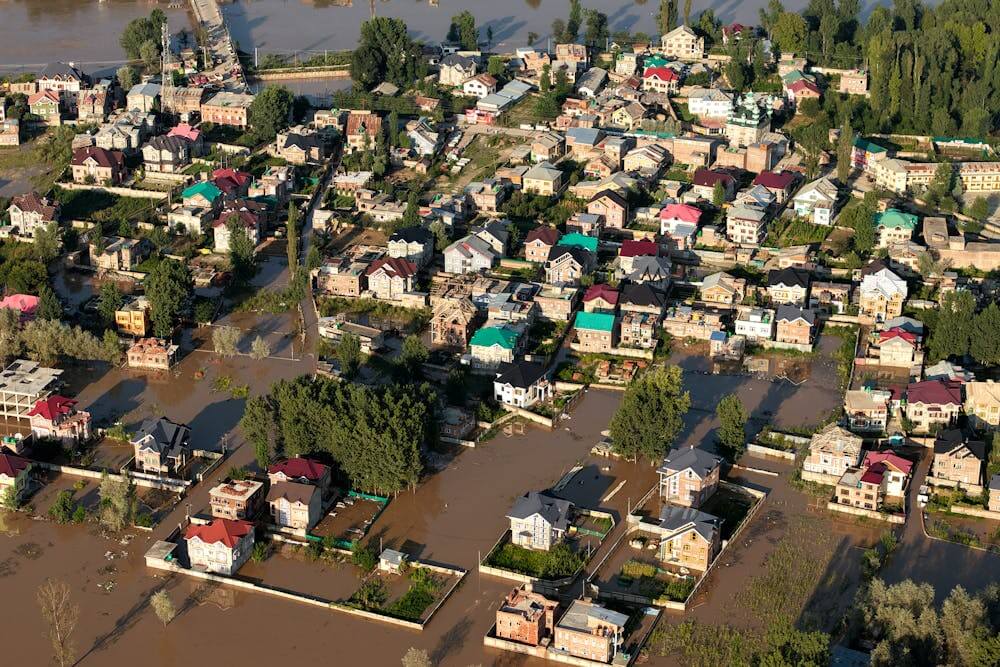
Once the storm passes, entering the facility requires caution to avoid hidden hazards. Structural weakness or exposed electrical wires create severe safety issues for returning workers. Following a step-by-step checklist helps stabilize the property safely.
Use these steps to begin restoration safely:
- Verify that authorities have declared the building safe to enter.
- Disconnect the main electrical breaker before walking through damp areas.
- Take detailed photographs of all damaged items for insurance adjusters.
- Set up commercial dehumidifiers to pull water out of the air.
Air circulation prevents mold spores from taking over remaining wooden structures. Keeping a clear log of all cleanup costs streamlines your reimbursement process. Working systematically helps restore normal business operations without extra delays.
Recovering from a severe flood takes time, patience, and a solid strategy. Businesses that plan to bypass much of the chaos that follows a natural disaster.
Protecting your physical space, your digital assets, and your staff secures your long-term success. Start building your emergency framework today so your company can weather any future storm.