

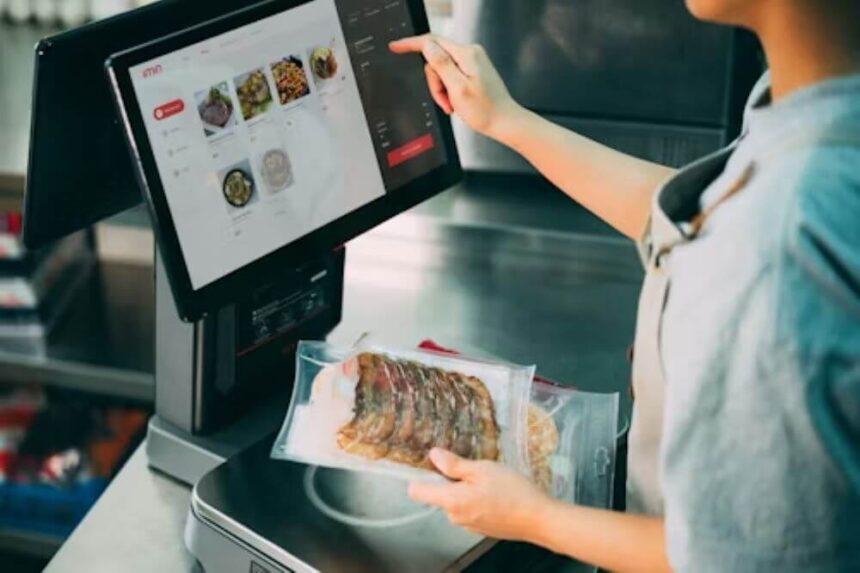
Have you ever asked yourself what really matters when choosing a POS system for your business?
A POS system does much more than process payments. It supports daily orders, helps staff stay organized, keeps service moving smoothly, and gives clear updates that help with planning.
For restaurants, cafés, and other food service spaces, the right setup can make daily work feel clearer and more connected.
Choosing a POS system is easier when you focus on a few useful questions. Instead of looking at long feature lists first, it helps to think about how the system will fit into everyday work.
From order taking to reporting, each part should match your workflow in a simple and practical way.
Why The Right Questions Matter
A POS system is part of the daily routine, so it should feel easy to use and easy to manage. It should support staff during busy hours, help managers review sales clearly, and keep important tasks in one place.
Asking the right questions early can help you compare options in a calm and organized way.
It also helps you focus on what your business needs today and what may support it well in the future. A thoughtful choice can bring more consistency to service, ordering, and reporting.
1. Will It Fit The Way My Business Operates?
Every business has its own routine. Some focus on dine-in service, some on takeaway, and some manage both at once. A good POS system should match the way orders move through your business.
Think about how your team works during a normal day.
Do staff need quick order entry?
Do managers need a clear view of sales and menu updates?
Does your setup include front counter service, table service, or digital orders?
A practical restaurant pos system should support the pace and flow of your business in a natural way. It should feel like part of the routine, not something that slows people down.
2. Is It Easy For Staff To Learn And Use?
A friendly system can make a big difference in daily work. Clear screens, simple menus, and a clean layout help staff feel comfortable from the start. When a system is easy to learn, training feels more relaxed, and daily tasks move along more smoothly.
After this question, it helps to look at a few areas that matter during real service hours.
Order Entry
Order entry should feel fast and clear. Staff should be able to add items, apply changes, and send orders without extra steps.
Menu Navigation
Menus should be easy to read and update. This is useful for seasonal items, limited-time meals, and special offers.
Daily Confidence
When a team feels comfortable using the system, service tends to stay steady. That helps create a smoother experience for both staff and guests.
Many businesses now look at a cloud based pos because it allows easier access to reports, settings, and updates from different locations. This kind of setup can help managers stay informed and make small changes quickly when needed.
Here are a few points to keep in mind:
- Can it support one location now and more locations later?
- Can menu updates be made easily?
- Can reports be viewed from different devices?
- Can it support both in-person and digital ordering?
3. Does It Work Well With Other Tools I Use?
Many businesses use more than one system during the day. That may include online ordering, payment tools, reporting dashboards, or stock management tools. A POS system works best when it connects well with the rest of your setup.
It is also helpful to ask about hardware that supports back-of-house tasks. For example, kitchen display system hardware can help kitchens receive orders clearly and keep timing organized during service.
When systems connect well, teams can work with more clarity and less back-and-forth. That can make communication easier from the front counter to the kitchen.
4. Can I Access Useful Information Quickly?
Quick access to information saves time. Reports should be easy to open, easy to read, and useful for real decisions. A clean dashboard can help managers review performance without sorting through too many screens.
5. Is The Hardware A Good Match For Daily Service?
Think about where each device will be used and how often staff will interact with it. Screens should be clear, devices should fit the space well, and the setup should support quick movement during busy periods.
For food service spaces, it also helps to think about kitchen flow, front counter space, and table-side service needs.
6. Will I Feel Supported After Setup?
A strong support experience can make the system easier to manage over time. Look for clear onboarding, simple training materials, and regular updates that keep the system current and easy to use.
Good support can also help your team feel more confident as they use the system each day.
Final Thoughts
Selecting a POS system becomes much easier when you start with practical questions. A good fit should match your daily routine, feel easy for staff to use, connect well with your tools, and offer clear reporting that supports better planning.