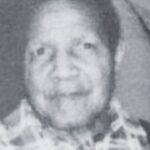


Jean Taynton may not be a household name, but her impact as an educator and her personal connection to famous actor John Lithgow are noteworthy. As the first wife of Lithgow, Taynton played a pivotal role in his early life, supporting both their family and his budding career. Her dedication to education and her contributions to literacy instruction make her an inspiring figure. In this article, we explore her life stories and significant milestones.
Early Life and Educational Background
Jean Taynton was born and raised in the United States. From an early age, she displayed an interest in the arts. This interest was nurtured further when she attended Oberlin College, where her engagement in the arts flourished. During her college years, Taynton spent her summers at Highfield Theater, diving into comic roles and exploring her theatrical side. This interest in arts and performance was not just a hobby for Taynton but a pivotal chapter in her life, playing a significant role as she met future connections.
Professional Life and Meeting John Lithgow
After completing her education, Taynton focused her energies on teaching. She pursued her career as a teacher in Cambridge, where her path crossed with that of John Lithgow. It was during a theater production at the Highfield Theater that the two met and were cast as a couple. Their chemistry was palpable, even though Taynton was six years older than Lithgow. The role of Lady Jane, which Taynton played, paired her with Lithgow’s Bunthorne. Their connection soon blossomed into a romance that changed their lives forever.
Marriage and Personal Life
In 1966, Taynton and Lithgow sealed their bond, marrying at an Episcopal church in Philadelphia. The ceremony was intimate, with about fifty guests witnessing their union. The newlyweds moved to London shortly after, where Lithgow pursued drama studies, while Taynton sought teaching opportunities. Amidst personal and professional transitions, the couple faced a heartbreaking loss—the untimely death of their first child. The couple eventually returned to the United States, and Taynton continued her teaching career in Westchester County. Her work at The World Blind Centre was groundbreaking, as she successfully taught dyslexic children to read, ensuring literacy was accessible for all.
Family Contributions and Support
Jean Taynton was a partner, teacher, and mother. Her work at The World Blind Centre demonstrated her commitment to education and literacy for all children, despite their challenges. Taynton’s dedication extended to her family, where she provided financial resilience, supporting Lithgow’s acting ambitions. The arrival of their son Ian in 1972 marked a new chapter. Taynton took an active role in shaping Ian’s life, while Lithgow continued with his career. Ian grew up to follow in his father’s footsteps and also pursued a path in therapy, graduating from Harvard, thus becoming a testament to his mother’s emphasis on education.
Challenges and Separation
As Lithgow’s career gained momentum in the 1970s, the couple faced inevitable challenges. Navigating job demands and maintaining a family balance proved complicated. During a Broadway production, Lithgow developed a close relationship with actress Liv Ullmann, resulting in an affair. This revelation strained Taynton and Lithgow’s marriage significantly. Acknowledging their relationship’s fractures, the couple decided to separate and eventually divorced in 1980. These personal challenges underscored Taynton’s enduring strength as she continued to focus on her career and family.
Legacy and Later Years
Jean Taynton’s legacy as an educator remains indisputable, leaving a lasting impact on both her immediate family and the communities she served. Her perseverance through personal challenges and her lifelong commitment to teaching leaves a profound footprint in education, especially in literacy instruction for dyslexic children. While public records on her life post-divorce are limited, her commitment to education continues to inspire. Taynton exemplified dedication and resilience, showing that personal challenges can coexist with professional accomplishments.
Conclusion
Jean Taynton’s life was one marked by deep commitment and resilience. Her role as an educator and her contributions to literacy, as well as her meaninfgul connection to John Lithgow, create a portrait of a woman who constantly strived to support others. Taynton’s story is one of unwavering dedication to education, a testament to the power of teaching, and a reminder of the strength found in personal conviction. Her influence continues albeit discreetly, echoing through the generations that have followed her. For more about inspiring personal stories like Jean Taynton’s, visit OnBizMag where individual impacts are celebrated every day.