

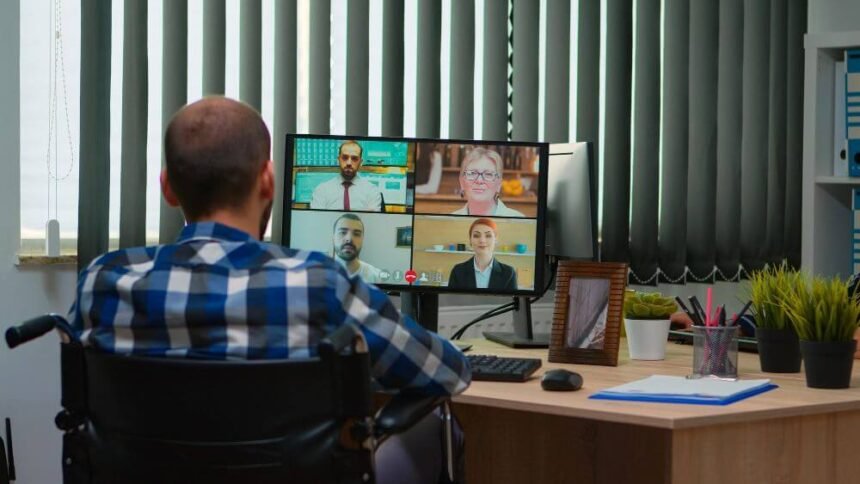
Hybrid and remote work has changed how teams plan the day, share availability, and record work hours. People may start at home, join a meeting in the office, and finish tasks elsewhere. Clear attendance records keep that flexible setup simple, fair, and easy to manage.
A reliable time and attendance software gives teams one place to record hours, shifts, breaks, leave, and approvals. It replaces scattered messages and manual sheets with clean records that managers and employees can understand quickly. For teams spread across locations, that clarity turns flexible work into a steady system, and the benefits below show where it matters most.
Clear Visibility Across Work Locations
Remote and hybrid employees move between homes, offices, client sites, and shared spaces. A digital attendance platform gives managers a clear view of work hours, check-ins, absences, and leave requests. This shared view reduces back-and-forth messages because the record already shows what everyone needs.
Employees also gain more control over the day. They can review schedules, check recorded hours, and confirm leave balances from the same system. As a result, small attendance questions get solved faster, and the team spends more energy on actual work.
More Accurate Payroll Records
Payroll depends on correct time data, especially when teams follow flexible schedules or varied shifts. A workforce time tracking tool captures regular hours, approved overtime, breaks, and paid leave in one format. Clean records help HR teams process pay without relying on memory, late updates, or manual corrections.
Employees benefit from the same accuracy. Their approved hours sit in one record, so pay details feel clear and fair. This creates a smoother payroll cycle and gives staff fewer reasons to raise questions after payday.
Easier Scheduling For Flexible Teams
Hybrid teams need schedules that match office days, remote days, meetings, coverage needs, and personal availability. An attendance management system helps managers create schedules and share updates in a place everyone can access. A clear calendar also helps employees plan the workday around team expectations.
Shift changes become easier to handle as well. Managers can adjust timing, approve leave, and see coverage gaps before they affect the day. This keeps planning practical and helps teams stay aligned across work locations.
Stronger Accountability Without Micromanagement
A good attendance system supports accountability without making employees feel watched all the time. People record their own hours, request leave, and confirm attendance through a standard process. Managers then review patterns through data instead of constant check-ins.
This balance builds trust across remote and hybrid teams. Employees know what the process expects, and leaders get enough detail to manage attendance fairly. Clear records also make it easier to discuss missed punches, late starts, or schedule changes in a practical way.
Better Compliance And Record Keeping
Work hour policies, overtime rules, break records, and leave approvals need careful documentation. A digital time and attendance solution stores those details in an organized format that HR teams can review when needed. Good records also support internal checks, audits, and policy reviews with less stress.
The same records help managers answer employee questions quickly. They can check approved leave, logged hours, and schedule history without searching through old messages. That saves time and gives employees clear answers from reliable information.
Hybrid and remote teams work best when flexible schedules have simple support behind them. Time and attendance software gives that support through accurate records, clear schedules, and easy access to attendance details. It helps managers plan coverage while giving employees a fair way to record their time. The result is a work setup where payroll, leave, shifts, and daily availability feel easier to manage.