


The old phone lines that have served businesses for decades are reaching their final days. The shift might feel like a chore, but it offers a chance to rethink how teams talk and work.
Moving away from copper wires opens doors to tools that were never possible before. Smart leaders look at the change as a way to scale their operations and find new efficiencies.
Moving Beyond Copper Wires
Legacy systems are becoming harder to maintain as spare parts become scarce and expensive. Companies need to look toward the future to stay competitive and keep their connections strong.
Modern communication depends on reliable digital connections rather than outdated copper. Preparing for the PSTN Switch Off requires careful planning and a clear view of business goals. The transition allows firms to integrate their voice services with other software tools for better productivity.
Cloud systems offer more flexibility than old hardware ever could in the past. Teams answer calls from anywhere without needing a physical desk phone, making remote work much easier for everyone.
Seeing The Financial Potential
Investing in new technology often leads to long-term savings for growing firms. Digital voice services cost less to manage and offer more features for the same price as basic analogue lines. Cost reduction helps businesses reinvest their capital into other areas of development.
An article noted that the global market for digital voice services will hit $169.38 billion. The massive growth shows how many organisations are moving away from traditional setups to capture better value.
Scalability becomes much simpler when you do not have to install physical lines for every new hire. Adding a new user takes clicks instead of weeks of waiting for a technician to arrive.
Modern Hardware Trends
Newer desk phones and headsets are designed to work perfectly with internet connections. Modern devices offer high-definition audio that makes every conversation clearer and more professional.
Industry research predicts the worldwide value of internet-based phone hardware will reach $66.02 billion. The trend proves that physical hardware is evolving to meet digital needs instead of disappearing completely.
Better hardware helps teams stay focused during long meetings and client calls. Clear sound reduces the fatigue that comes from straining to hear a muffled caller over a grainy connection. Investing in high-quality gear proves your commitment to professional communication standards.
Tracking The User Shift
The number of people relying on old technology is shrinking every single month. Providers are actively moving customers toward modern alternatives to improve service quality and network reliability.
Government data reports that UK landline users on legacy networks fell from 5.2 million to 3.2 million within a single year. The rapid decline highlights how quickly the transition is happening across the entire country.
Businesses that wait too long might face issues as the old network becomes less reliable and more prone to faults. Making the move now prevents a last-minute rush when the final plug is pulled on analogue systems.
Benefits Of Digital Integration
Switching to the cloud brings a lot of perks that help daily tasks run more smoothly. You can connect your phone system to your CRM or email platform to keep records up to date.
Digital systems provide a wide range of benefits for teams of all sizes.
- Improved call routing to reach the right person faster without long hold times.
- Detailed analytics to track team performance and customer wait times.
- Lower monthly bills compared to traditional landlines and maintenance fees.
- Better security for sensitive voice data through modern encryption.
Digital features allow small teams to act like much larger organizations. Providing a professional experience for callers builds trust and loyalty with your client base. It levels the playing field for companies looking to grow.
Building A Growth Strategy
Every tech upgrade should align with your broader plans for expansion and success. Use the moment to review how your staff interacts with customers and where you can improve. Modernizing your tools is a perfect time to refresh your business communication strategy.
Better data from digital calls helps managers spot trends and improve training for new staff members. Knowing when call volumes peak allows for better staffing decisions and improved customer satisfaction. Information is a powerful tool for any leader who wants to optimize their workflow.
A unified system keeps everyone on the same page regardless of their location or time zone. Connectivity is the foundation for a truly modern workplace that values speed and clarity.
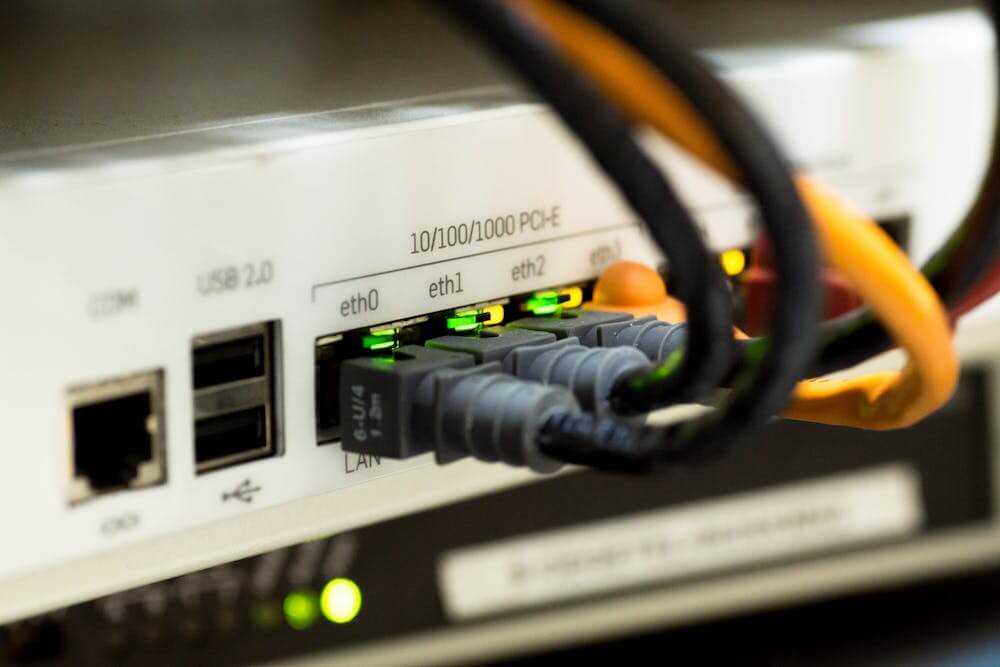
The end of analogue lines marks the start of a new chapter for business communication. Taking action today makes sure your company stays ahead of the curve and ready for growth.
Replacing old tech is more than just a swap of wires and plugs. It is a strategic move that sets the stage for years of success and stability.