

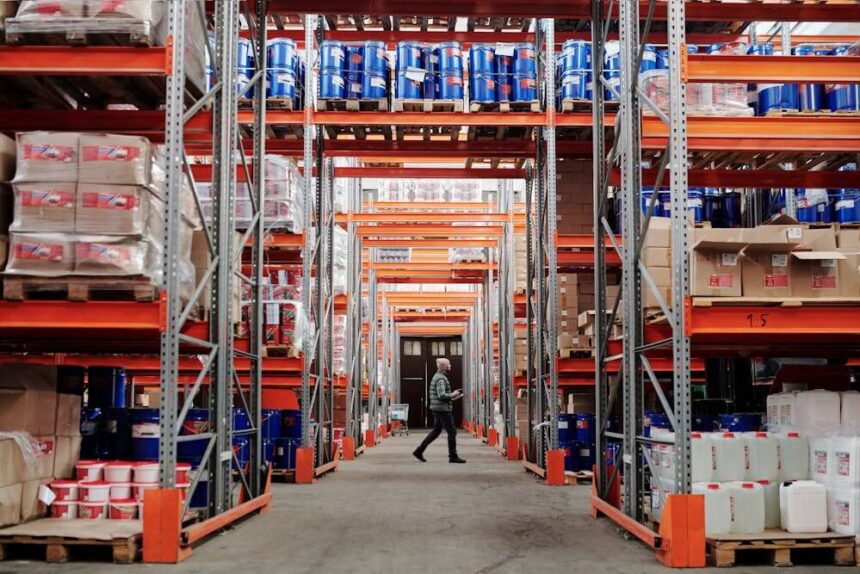
Supply chains are the backbone of modern commerce, connecting suppliers, manufacturers, distributors, and customers through complex networks of processes and logistics systems. As markets become more competitive and globalized, organizations face increasing pressure to improve supply chain performance while reducing operational costs. Lean process improvement has emerged as one of the most effective strategies for achieving these goals. By focusing on waste reduction, streamlined workflows, and continuous improvement, lean principles enable organizations to enhance efficiency across supply chain operations.
Lean thinking originated in manufacturing but has evolved into a widely used management philosophy applied across industries. In supply chain management, lean methods help organizations identify inefficiencies, improve coordination among stakeholders, and create systems that deliver products and services more effectively. Companies increasingly rely on expertise from professionals who specialize in supply chain optimization, and organizations such as a supply chain consulting firm in Chicago often work with businesses to implement structured improvement strategies based on lean principles.
The Role of Lean Thinking in Supply Chain Operations
Lean thinking focuses on maximizing value for customers while minimizing waste in operational processes. In supply chain management, this means ensuring that materials, information, and products move smoothly from suppliers to customers without unnecessary delays or inefficiencies.
Waste in supply chains can take many forms. Excess inventory, transportation delays, redundant processes, and poor demand forecasting are among the most common challenges. According to research published by the Council of Supply Chain Management Professionals (CSCMP), inefficient supply chain processes can significantly increase operational costs and reduce responsiveness to customer demand.
Lean process improvement addresses these challenges by analyzing each step of the supply chain to determine whether it adds value to the final product or service. Activities that do not contribute value—such as waiting time, overproduction, or unnecessary movement—are targeted for elimination or improvement. Organizations that apply lean principles effectively often experience shorter lead times, improved product quality, and lower operating costs.
Identifying Waste Across the Supply Chain
One of the fundamental goals of lean process improvement is the systematic identification and elimination of waste. In traditional lean frameworks, waste is typically categorized into several types, including overproduction, excess inventory, waiting time, transportation inefficiencies, defects, and unnecessary processing.
Supply chains frequently accumulate these forms of waste due to fragmented systems or lack of coordination between departments and partners. For example, maintaining large inventories might seem like a safeguard against supply disruptions, but excessive stock increases storage costs and ties up capital. Similarly, inefficient transportation routes can increase delivery times and fuel expenses.
In a major logistics hub like Chicago, where transportation networks connect rail, road, air, and lake shipping routes, even small operational inefficiencies can quickly scale across the supply chain. Organizations often conduct detailed operational assessments to identify these inefficiencies. A supply chain consulting firm in Chicago may analyze regional logistics networks, procurement processes, and production planning systems to determine where waste occurs and how it can be minimized. Through careful evaluation and data analysis, organizations can uncover opportunities to streamline operations, reduce operational costs, and improve overall performance within the Chicago supply chain ecosystem.
Value Stream Mapping for Process Transparency
A powerful technique used in lean process improvement is value stream mapping. This method visually illustrates how materials and information flow through the supply chain, allowing organizations to identify bottlenecks, delays, and redundant steps.
Value stream mapping provides a comprehensive overview of operational processes, making it easier for managers and teams to recognize inefficiencies that might otherwise remain hidden. For example, mapping exercises often reveal communication gaps between suppliers and production teams or highlight unnecessary handling steps within distribution centers.
Academic research in the International Journal of Production Economics indicates that organizations that adopt value stream mapping as part of lean initiatives often achieve measurable improvements in productivity and operational visibility. By understanding the entire process flow, companies can redesign systems to improve coordination and reduce delays.
Professionals working within a supply chain consulting firm in Chicago frequently use value stream mapping as a starting point for broader improvement initiatives. The process not only reveals inefficiencies but also encourages cross-functional collaboration among teams responsible for procurement, manufacturing, and distribution.
Data-Driven Decision Making in Supply Chain Improvement
Modern supply chains generate significant amounts of operational data, including information related to transportation performance, production rates, inventory levels, and supplier reliability. Leveraging this data effectively is essential for successful lean process improvement.
Data analytics enables organizations to measure performance accurately and identify areas where improvement efforts should be focused. Metrics such as inventory turnover, order fulfillment cycle time, and on-time delivery rates provide valuable insights into supply chain effectiveness.
According to a study by the McKinsey Global Institute, companies that integrate advanced analytics into supply chain operations can improve forecasting accuracy by up to 50 percent and reduce inventory levels by 20 to 30 percent. These improvements are often achieved by combining lean methodologies with real-time operational data.
Experts working within a supply chain consulting firm in Chicago often support organizations in establishing performance measurement frameworks that align operational metrics with strategic objectives. These frameworks allow companies to monitor improvement efforts and ensure that changes lead to measurable results.
Strengthening Supplier Collaboration
Supply chain efficiency depends heavily on the relationships between organizations and their suppliers. Lean process improvement encourages stronger collaboration and information sharing between supply chain partners to ensure smoother operations.
In many cases, inefficiencies occur because suppliers and manufacturers operate using separate planning systems or misaligned production schedules. When communication is limited, delays and inventory imbalances are more likely to occur.
Lean principles promote transparency and coordination across the supply chain network. Collaborative planning, forecasting, and replenishment systems allow suppliers and manufacturers to align production schedules with real customer demand. This alignment reduces the risk of overproduction while improving service levels.
Industry professionals associated with a supply chain consulting firm in Chicago often assist organizations in redesigning supplier management strategies to encourage closer collaboration. By establishing shared performance metrics and communication protocols, organizations can create more resilient supply chain relationships.
Continuous Improvement as an Organizational Capability
Lean process improvement is not a one-time project but an ongoing commitment to operational excellence. Organizations that achieve lasting results typically develop systems that support continuous improvement at every level of the workforce.
Continuous improvement initiatives encourage employees to identify inefficiencies, propose solutions, and participate in problem-solving activities. Techniques such as Kaizen workshops, root cause analysis, and process standardization help organizations address operational challenges systematically.
Research conducted by the Lean Enterprise Institute indicates that companies with strong continuous improvement cultures often experience higher levels of productivity and employee engagement. When employees are empowered to contribute ideas and participate in operational improvements, organizations benefit from a broader range of insights and innovative solutions.
Consultants associated with a supply chain consulting firm in Chicago frequently emphasize the importance of training and leadership development in lean transformations. Employees must understand lean principles and possess the skills required to analyze processes, interpret data, and implement improvements effectively.
Technology and Lean Supply Chain Transformation
Technology plays an increasingly important role in supporting lean supply chain initiatives. Digital tools such as supply chain management software, real-time tracking systems, and predictive analytics platforms provide organizations with greater visibility into operational performance.
For example, advanced inventory management systems can monitor stock levels across multiple locations and automatically trigger replenishment orders when inventory falls below predefined thresholds. These systems reduce the likelihood of stockouts while preventing excessive inventory accumulation.
Similarly, transportation management systems allow organizations to optimize delivery routes and monitor shipment progress in real time. These capabilities improve logistics efficiency and enhance customer service by providing more accurate delivery estimates.
While technology alone cannot eliminate operational inefficiencies, it can significantly enhance the effectiveness of lean process improvement initiatives. Experts from a supply chain consulting firm in Chicago often work with organizations to integrate technological solutions that complement lean strategies and support data-driven decision making.
Long-Term Benefits of Lean Supply Chain Practices
Organizations that successfully implement lean process improvement in supply chain management often experience a wide range of long-term benefits. Reduced operational costs, improved product quality, and faster response times to customer demand are among the most frequently reported outcomes.
Lean supply chains are also more resilient during periods of disruption. By reducing unnecessary inventory, improving process transparency, and strengthening supplier relationships, organizations can respond more effectively to unexpected challenges such as demand fluctuations or transportation delays.
According to research by the Massachusetts Institute of Technology Center for Transportation and Logistics, companies with highly efficient supply chains often outperform competitors in both operational performance and financial results. This competitive advantage arises from the ability to deliver products quickly, reliably, and at lower cost.
The expertise provided by professionals within a supply chain consulting firm in Chicago can play an important role in helping organizations design and implement these lean systems. By combining operational analysis, industry knowledge, and structured improvement methodologies, consultants support companies in building supply chains that are both efficient and adaptable.
Conclusion
Lean process improvement has become an essential strategy for organizations seeking to enhance supply chain performance while reducing operational waste. By focusing on value creation, process transparency, and continuous improvement, lean methodologies help companies streamline operations and respond more effectively to customer demand.
Techniques such as value stream mapping, data-driven performance analysis, and collaborative supplier management enable organizations to identify inefficiencies and implement targeted improvements across supply chain networks. At the same time, fostering a culture of continuous improvement ensures that operational gains are sustained over the long term.
Professionals working within a supply chain consulting firm in Chicago often contribute valuable expertise to these efforts, guiding organizations through complex operational transformations and helping them develop more efficient, resilient supply chains. As businesses continue to face evolving market conditions and increasing operational complexity, the principles of lean process improvement will remain central to achieving sustainable supply chain success.