

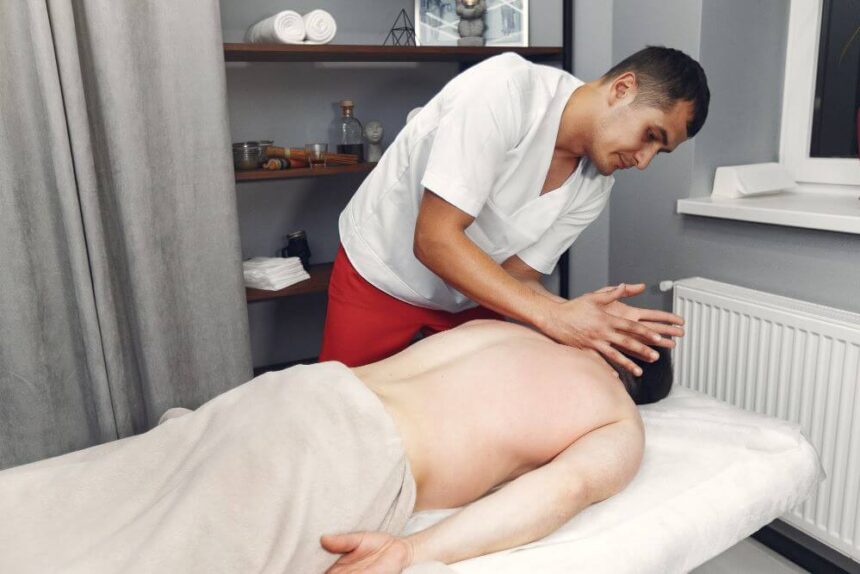
The sharp pain that goes from your lower back down to your leg can make the simple movements of day-to-day life seem like an impossible feat. A massage therapy professional offers an active method of handling the underlying muscle tension that comes with these sore sensations. This article looks at how physical therapy helps you get back on your feet and reduce the number of flare-ups you experience.
Understanding the Role of Muscle Tension in Nerve Compression
The sciatic nerve passes through several layers of muscle in your hip, where it can be pinched or compressed by those tissues if they are too tight. These muscles are also in a position to constrict the nerve pathway when they go into spasm or contract from poor posture. The therapists are trained to know these tension points and use manual methods to instruct the muscle fibres to relax and let go.
Improving Blood Circulation to Promote Natural Tissue Healing
When your muscles are chronically tight, the passage of oxygen-rich blood to that area is compressed, which can hinder the body’s natural healing ability. Massage therapy utilises pressure to stimulate the circulatory system, delivering fresh blood to impacted tissues. This blood flow also serves to flush metabolic waste products, which can build up in immobile muscles and contribute to muscle stiffness. A focused deep tissue massage specifically targets these deeper layers of connective tissue to release persistent tension and restore fluid movement throughout the body.
Utilising Trigger Point Therapy for Targeted Pain Relief
Many people suffering from sciatica have trigger points in their gluteal muscles that refer pain further down the leg when they are irritated. A skilled massage therapist knows how to locate these sensitive spots and apply steady pressure to deactivate them. Releasing these trigger points helps to rebalance the muscles around your pelvis, ensuring that your weight is distributed evenly when you stand or walk.
Enhancing Flexibility and Range of Motion in the Lower Body
Sciatica often leads to a protective response where you subconsciously move less to avoid pain. Professional massage helps to gently stretch the soft tissues and improve the lubrication within your hip joints, making it easier for you to move. As you regain your range of motion, you will find it much easier to perform the daily stretching exercises that are often recommended for long-term nerve health.
Reducing Stress and Promoting a State of Deep Relaxation
Living with chronic pain is a source of mental and physical stress, which can lower your pain threshold. During a professional massage session, your body reduces levels of cortisol, the hormone associated with the fight-or-flight response. This shift into a relaxed state allows your nervous system to calm down, which can dampen the intensity of the pain signals being sent to your brain throughout the day.
Supporting Long-Term Postural Alignment and Spinal Health
Many cases of sciatica are exacerbated by poor sitting habits that put pressure on one side of the lower back and pelvis. A therapist, like one for remedial massage for sciatica in Melbourne, for instance, can adjust your posture to take the load off your sensitive nerve pathways. By releasing the muscles that pull your pelvis out of alignment, you create a balanced foundation for your entire spine to rest upon.
Complementing Other Medical Treatments for a Holistic Recovery
Massage therapy works best when it is used as part of a broader health plan that might include physiotherapy. It provides a non-invasive way to manage your symptoms without relying on medication, which many people find appealing as a strategy for wellness. Communicate with your therapist about the nature of your pain so they can adjust their techniques to suit your current comfort levels.
Invest In Your Wellness Journey Today
By addressing muscle tension, improving circulation, and promoting relaxation, you can take significant steps towards reclaiming your physical freedom. While the journey to recovery takes time, incorporating regular therapy into your routine provides a solid foundation for lasting health. Remember to listen to your physical signals and seek professional help early to ensure you can continue living an active life.