

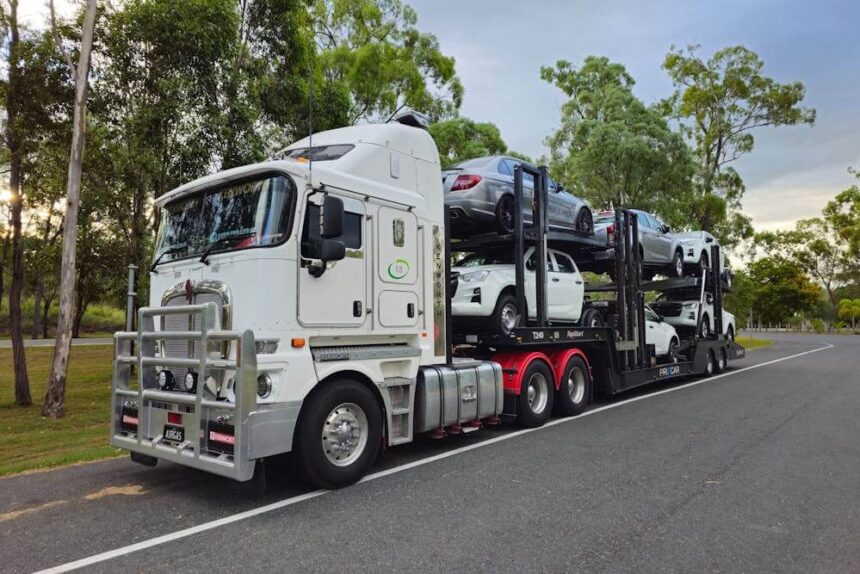
Without a clear process, transporting a vehicle over state lines can seem impossible. Vehicle transport services simplify the process of transportation by taking away the logistical headaches and ensuring the vehicle reaches the new destination safely. Awareness of every stage prepares people to navigate through the journey and saves them from unnecessary stress that otherwise comes from uncertainty.
Researching Transport Options
The right transport method is essential for a successful shipment. Carriers can be open or enclosed. Low-cost open carriers are available, as well as enclosed ones. Enclosed car carriers often carry a premium for expensive vehicles. Knowing about state-to-state vehicle transport helps individuals easily compare prices, services offered, and reviews. Thus, it becomes easier to find the provider that best fits their specific needs and budget.
Requesting Quotes and Comparing Prices
After finding the right carriers, requesting quotes is necessary. The majority of users simply need the basics, such as the make and model of the vehicle, pickup location, drop-off location, and so forth. With multiple offers to compare, users have the opportunity to base their decision on price and service features. Knowing what is and isn’t included in the price, such as whether insurance is bundled in or whether you need to pay an extra fee to get an expensive ride shipped to you on time, will prevent nasty surprises further along the line.
Booking the Service
Once the transport provider is chosen, it is time to book the service. Typically, this process requires filling out a reservation form with the required information. Correct details enable proper communication, avoiding confusion and delays. At this point in the process, it’s also critical to plan, so confirming the days you’ll be picking up and delivering will be essential.
Preparing the Vehicle for Transport
The right preparation lowers the chances of any problems during the shipment. Car washing, both inside and outside, helps to mark any pre-existing marks. It is advisable to take out any personal effects and valuables, as the majority of carriers do not insure them. Keeps the gas tank a quarter full, which lowers weight and improves safety. The car is also checked for tire pressure and fluid levels to prepare for a safe drive.
Vehicle Inspection and Documentation
A thorough inspection is performed before loading. The owner and the carrier representative check the vehicle for scratches, dents, and any other marks. The inspection is recorded on a form, usually referred to as a condition report. This is a document that is signed by both parties to note the condition of the vehicle before it is transported. Retaining a copy of this report is an important reference to have in the event of a post-delivery dispute.
Vehicle Pickup and Loading
On the pickup day, the carrier arrives at the point of pickup. Secure equipment is used to load the vehicle onto the trailer. This is done by experienced personnel to make sure nothing is damaged during the loading process. An owner may receive status updates on the shipment via their mobile device, which should provide peace of mind as their car is shipped. Carriers that provide tracking can give you updates on the location of the vehicle as it moves.
Transit and Communication
The carrier is liable for vehicle safety while in transit. There are established routes as well as regulations to follow to ensure timely delivery. There will also be communication throughout the process. This allows customers to provide for follow-ups or address any issues. Clients receive status updates, which also help to reassure them about the shipping process.
Delivery and Final Inspection
When the carrier arrives at its destination, the carrier gets in touch with the person receiving the shipment to execute the delivery. An inspection is done at this point as well, comparing the state of the car with the original report. Any differences noticed must be listed down and discussed before accepting the delivery. Both parties must have confidence that the vehicle is delivered in the same condition as it was sent.
Final Thoughts
Transporting a vehicle from one state to another follows a few simple steps, from researching carriers to getting the car to its new home. When you know what comes in each stage, it simplifies the process and prevents any misunderstandings. Proper preparation and communication will lead to a smooth experience. As long as these simple steps are followed, everyone should be able to have the vehicle they are transporting arrive safely and promptly.