


Adhesive labels work like tiny billboards. They travel on packages, gear, and products, and they do the quiet work of branding in moments people barely notice.
Because labels live where action happens, they get repeat views. Those small impressions build memory, trust, and sales.
Small Surfaces, Big Reach
A label is compact, yet it touches hands, shelves, and screens. That mix makes each piece pull more weight than its size suggests.
Scale matters, too. Analysts at Growth Market Reports estimate the adhesive labels market reached about $43.6 billion in 2024, which signals broad use across industries. The bigger the canvas of use, the more chances your brand has to be seen.
Labels layer on cues like color, iconography, and microcopy. These cues make it easy for a shopper or coworker to spot your brand fast.
Even generic surfaces gain character once a label lands. A blank bottle or box becomes recognizable in a second.
Packaging That Travels
Every shipped box is a moving ad. Your label is the front door that travels from dock to doorstep.
Design choices matter for readability at arm’s length. Start by learning the best practices for business card font size, then apply those legibility rules to labels read in low light and movement.
Use contrast to stand out on kraft paper and corrugated boxes. Keep brand colors consistent so repeat buyers can spot you from across the room.
Think about unboxing, too. A secondary label inside the box continues the story when the outer label has done its job.
Scannable Labels That Connect Online
QR codes turn a product moment into a digital visit. A quick scan can open care guides, promos, or loyalty sign-ups.
The momentum is real. Research summarized by Strategic Market Research valued the QR code labels segment at about $2.85 billion in 2024, with steady growth forecast through 2030. That growth mirrors how often people now scan on the go.
Use unique URLs per label batch to track scans by channel. You can compare seasonal designs and see which copy lifts engagement.
Keep the code large, high contrast, and away from folds. Place it where a camera can see it without glare.
Operations Labels That Quietly Market
Not every label is consumer-facing. Asset tags, rack labels, and service stickers all carry brand cues while they do vital work.
A logo on a service date label can turn a maintenance event into a brand touchpoint. It also adds structure to repair logs.
When a crew member prints a bin label, default to your brand font and color. Every shelf then promotes a unified look in photos and walkthroughs.
Even compliance labels can feel on brand. Clear hierarchy and tone show you are careful, which supports trust.
Durable And Weatherproof Labels In The Wild
Outdoor and equipment labels meet sun, oil, and abrasion. When they hold up, your brand looks reliable.
Match material to the job. Vinyl or polyester films resist weather, while laminates protect type in rough conditions.
Consider these quick ideas:
- Pick adhesives rated for temperature swings.
- Round the corners to reduce peel.
- Use simple icons for quick recognition.
- Test small runs in the field before scaling.
A tough label that still looks sharp after months is proof of quality in daily life. That proof is hard to buy any other way.
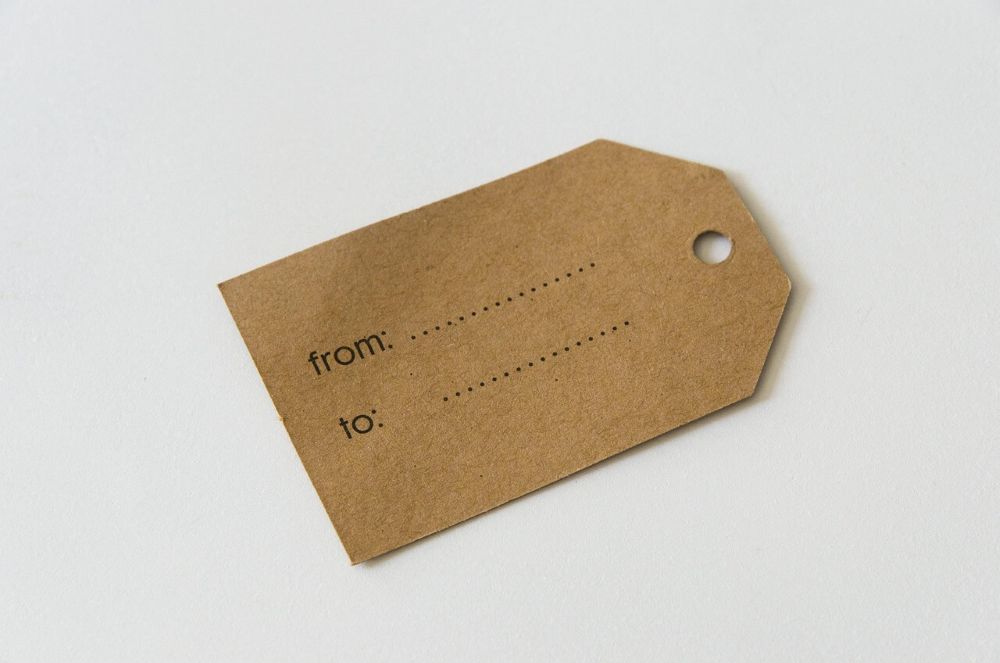
Office, Mailroom, And Shipping Touchpoints
Printer-ready label templates make consistent branding easy. When teams print in-house, they keep the look aligned without extra effort.
Return address labels and routing labels get a lot of eyes. Couriers, receivers, and office staff handle them many times a day.
To keep tasks smooth, build a simple kit:
- Templates with locked brand elements
- A short usage guide on spacing and size
- Pre-cut stock for key envelope and box sizes
- A test sheet checklist for new hires
The more friction you remove, the more your brand shows up clean and clear in routine work.
Retail Floor, Shelf, And Window Real Estate
Shelf strips, clings, and price labels guide shoppers. They act as guardrails to keep your brand visible amid visual noise. They help customers navigate promos and sizes without hunting. Clear labels reduce decision fatigue and speed up browsing. When aisles are crowded, these small cues keep your story intact.
Keep type large enough to read at a glance. Use a short benefit or mini callout under the product name. Aim for simple typefaces that hold up at different distances. Avoid thin weights that disappear under store lighting. Test a printout from 2 to 3 meters to confirm instant readability.
Windows offer daily reach to pedestrians and drivers. Rotating a small seasonal label keeps the storefront fresh without a full redesign. Use the lower third of the glass for eye-level contact from sidewalks. Pair a QR code or short URL for quick follow-up after hours. Swap materials seasonally so adhesives and inks survive weather changes.
Events, Swag, And Everyday Giveaways
Stickers ride on water bottles, laptops, and toolboxes. They make your brand portable and personal.
Scale here is meaningful. Analysts at Verified Market Research estimated the broader stickers category at roughly $4.3 billion in 2024, reflecting how often people share and display them.
Give out two designs at once so people can pick a favorite. Choice boosts attachment and increases the odds of public display.
For events, print a short run with the date or city. That small detail turns a sticker into a keepsake.
Measure, Learn, And Improve Your Labels
Treat labels like a media channel. You can track and optimize them with clear goals.
Set basic measures like scan rate, shelf pickup rate, or customer service mentions of label instructions. Compare designs by A or B stickers in matched stores.
Tie campaign labels to unique landing pages. That way you can map scans to sales or sign-ups by batch.
Do quarterly reviews with operations, sales, and design. Keep what works, retire what does not, and test one fresh idea per cycle.
Strong labels reduce friction and build recognition. Over months, those small wins stack into real brand equity.
Good labels do more than decorate. They guide, inform, and carry your story wherever work happens.
Because they are practical, they get used a lot. That steady, everyday exposure is one of the safest bets in brand building.