

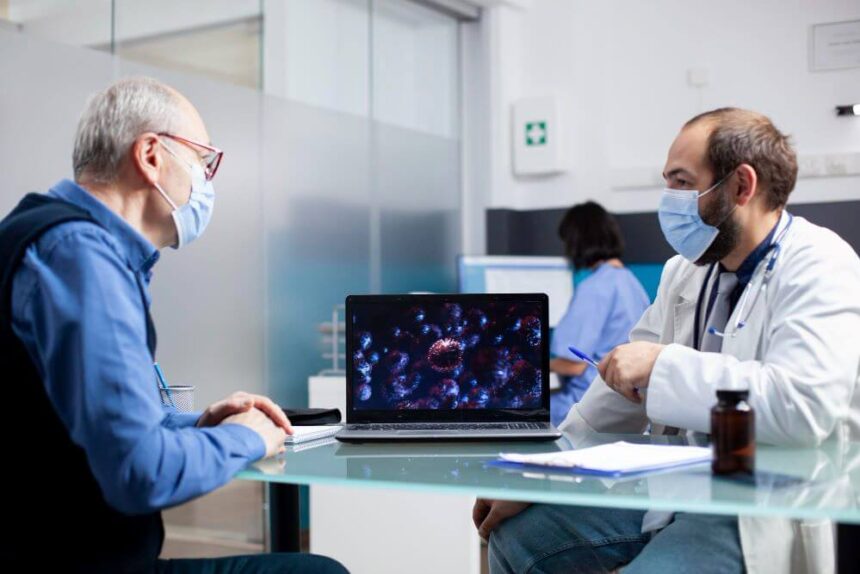
The first orthodontic appointment does more than collect information. It shapes how organised, current, and reassuring the whole service feels, often before a treatment plan is even discussed. If that early experience feels awkward or dated, confidence can drop quickly.
That is why better intake technology matters. When practices reduce friction at the start of the visit, patients can focus less on the process itself and more on understanding what comes next.
What this covers
- how digital intake can reduce friction in an early consultation
- why visual clarity helps patients understand the discussion
- why professional oversight still matters at every stage
The first appointment shapes how patients judge everything next
Patients start forming opinions long before any aligner plan is explained. They notice whether the handoff from reception to clinician feels smooth, whether details are repeated, and whether the process seems clear even during short waits between steps. In a high-trust service, those signals matter. They also hint at whether the team is prepared for a process that may continue for months. They tell people whether the practice feels careful and current.
That first visit also sets the tone for every conversation that follows. If the intake process is calm and well structured, patients are more likely to listen, ask questions, and stay engaged. That is part of what creates stronger customer bonds over time. People notice when the same information has to be repeated. It may sound simple, but the opening experience often shapes whether the rest of the journey feels dependable.
Digital intake cuts friction before treatment even begins
Digital intake is not just about replacing paperwork with a screen. In an orthodontic setting, it can also include scan-based capture and a more direct way to review what is happening in the mouth during an early assessment. That can remove some of the mess, repetition, and uncertainty that slow traditional workflows. It also gives the appointment a clearer rhythm.
Common friction points often look like this:
- repeated explanations or duplicated details
- uncertainty about whether records are accurate enough
- discomfort that distracts from the actual discussion
For patients, that difference can be easier to feel than to describe. A clearer process can reduce awkward pauses, retakes, and confusion about next steps. It can also support a better explanation of how clear aligners are assessed and fitted in a professionally guided setting. When the process feels more understandable, the consultation usually feels more reassuring as well.
Visual clarity helps people trust the plan sooner
Many people find it easier to understand treatment when they can see the issue being discussed. A digital model can make crowding, spacing, or bite-related concerns more concrete than a verbal description alone. That matters because orthodontic terms can feel technical at a first consult. That does not replace clinical judgement, but it can make the conversation easier to follow. Patients are often less hesitant when the explanation is visible, not abstract.
This is where communication and planning start to overlap. A clearer image can help the practitioner explain why a specific path is being considered and what the next stage may involve. It also gives useful context around the role of intraoral scanners in clear aligner care, while making likely checkpoints and limitations easier to discuss in realistic terms. Better visuals can support clearer planning, while still leaving the treatment decision in professional hands.
Better records create smoother handoffs behind the scenes
The patient sees only part of the intake process. Behind the scenes, the real value often comes from how well information moves from capture to review, then from review to planning and follow-up. Cleaner digital records can reduce the need to reconstruct appointments from scattered notes or unclear impressions. They can also make it easier to compare changes over time without relying on memory alone. That can help the team move with fewer avoidable delays.
It also improves consistency in how the next conversation is handled. If a practitioner is working from a clearer record, they can usually explain findings and options with less backtracking, which follows the same logic as advanced technologies that personalise customer experiences. Patients feel that continuity, even if they never see the workflow itself. Better systems do not just speed things up; they help people feel that the service has been designed around them.
Comfort matters because anxious patients absorb less information
Comfort is easy to dismiss as a soft benefit, but it changes how people process the appointment. If someone is distracted by discomfort, uncertainty, or self-consciousness, they are not giving full attention to the explanation in front of them. That matters during an orthodontic consult, where understanding the process is part of making an informed decision. A calmer patient is often a more attentive patient.
The practical payoff is straightforward. When people feel more settled, they tend to ask better questions about wear time, review visits, hygiene, and expectations. They are also more likely to remember what was explained after they leave the practice. That does not mean technology removes anxiety for everyone. It means a less awkward intake process can help some patients stay present for the information that matters.
The best technology still needs professional human oversight
Better intake tools can improve the early experience, but they are only one part of the treatment picture. Suitability, oral health checks, and ongoing supervision still depend on professional assessment. That is why ADA advice on direct-to-consumer orthodontic treatment remains an important guardrail in conversations about convenience. The technology can support the process, but it should not be mistaken for the process itself.
That same lesson applies from a business point of view. The strongest systems work when technology, people, and workflow support each other rather than compete for control. Practices benefit when staff can explain the process clearly and use better records well. In other words, the best intake setups are the systems that grow with the business, not just the tools that look modern on day one.
Conclusion
When the first appointment feels clearer, calmer, and more organised, the rest of the patient journey starts on stronger footing. Good intake technology can reduce friction, improve understanding, and support smoother handoffs, but it works best when experienced professionals stay at the centre of care. That balance turns a more efficient process into a more reassuring experience.