

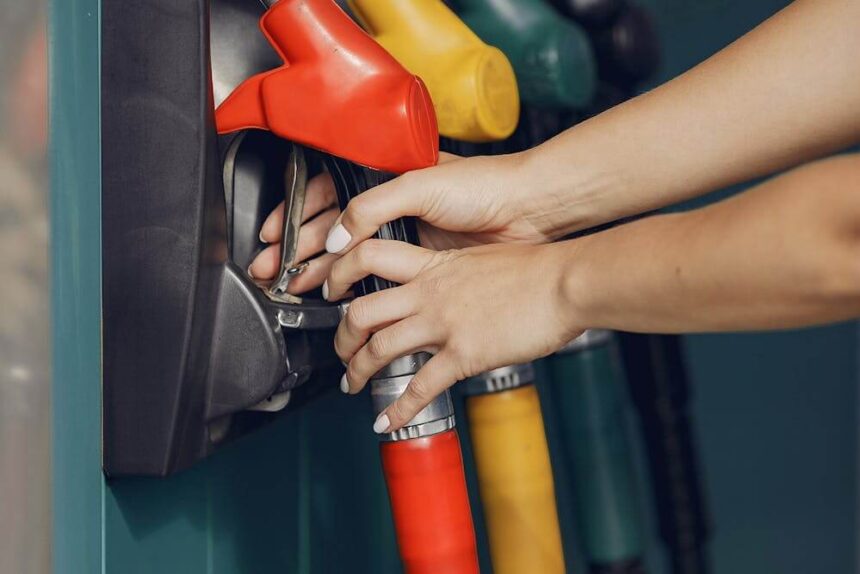
Running a fuel-heavy operation can feel like trying to hold water in your hands. Costs slip through small gaps in planning, habits, and maintenance. The good news is that you can plug those gaps with choices that are simple, repeatable, and measurable.
Know Where Your Fuel Dollars Go
Fuel is rarely just the price on the marquee. You also pay for time, detours, and wear when trucks leave the route to fill up. Track those hidden costs with a simple weekly scorecard that shows fuel bought, miles driven, and minutes lost to refueling.
Small changes can swing thousands of dollars annually. Focus on the levers you control most: trip planning, refueling workflow, idling, and driver habits. When you set targets for each lever, your totals begin to cooperate.
Fix The Fueling Bottleneck
Fuel stops and queues can quietly chew into payroll and delivery windows. One simple way to keep trucks moving is to avoid refueling delays with on-site fueling, especially for fleets that start and end shifts at the same yard. You turn unpaid idle time into planned service time, and you recover miles without hiring anyone.
If full on-site service is out of reach, tighten your fueling window. Fuel at the end of the shift so vehicles are ready at dispatch. Set a rule that drivers never leave their service area for fuel unless authorized.
Cut Idling Without Killing Productivity
Idling feels harmless, yet it burns real money. The U.S. Department of Energy notes that even a few minutes here and there add up quickly across a fleet. Target the most common idling scenarios first: warm-ups, lunch breaks, gate waits, and curbside AC or heat.
- Add automatic engine shutdown timers with sensible thresholds
- Use auxiliary heaters or battery HVAC for comfort during breaks
- Create no-idle zones at docks and yards
- Coach drivers to switch off during loading and paperwork
- Log idling minutes by vehicle so supervisors can fix hotspots
Manage Comfort And Safety
Drivers idle for valid reasons like heat, cold, and power needs. Provide alternatives that do the job with less fuel. Portable inverters, cab curtains, and pre-cool or pre-heat routines keep comfort high while the engine stays off.
Tune Drivers And Routes For Fewer Gallons
Driver behavior is a high-impact lever. Smooth acceleration, gentle braking, and steady cruising protect fuel economy and reduce maintenance. Short coaching sessions tied to telematics reports work better than one big class.
Turn data into action with simple driver scorecards. Highlight a few habits each week – over-speed minutes, hard brakes, and throttle bursts – and coach on the worst one first. Celebrate quick wins so the new habits stick.
Routing also matters. Cluster stops, avoid backtracking, and set a cap on last-minute add-ons that stretch miles. Use real-time traffic and time-window planning so trucks spend less time crawling and more time serving.
Track Prices And Buy Strategically
Fuel price swings are reality, so treat them like weather and plan around them. Set trigger prices for your region and decide in advance when to top off or hold. A simple price band keeps buying steady instead of reactive.
Build simple rules: buy at preferred stations in your network, cap non-network purchases, and avoid high-priced corridors. Tier locations by price and access so drivers know the first, second, and third choice on any route. Lock these rules into your fuel cards and dispatch notes to reduce one-off decisions.
If you control yard fueling, negotiate volumes quarterly and revisit when markets shift. Ask suppliers for index-based pricing, minimum drop sizes, and delivery windows that match your shifts. Add tank monitors and reorder points so you do not pay rush fees or run short on busy days.
Keep Vehicles Efficient With Low-Effort Maintenance
The cheapest fuel is the fuel you never burn. Standard upkeep helps more than fancy gadgets, because small drags on efficiency stack up across every mile. Keep tires at spec, fix alignment early, and replace air and fuel filters on schedule so engines breathe and roll with less effort.
Treat tires like the top fuel part. Check pressures cold at least weekly, set fleet targets by axle, and keep calibrated gauges at the yard. Rotate on a simple cadence, repair slow leaks quickly, and replace badly worn or mismatched pairs that force the engine to work harder.
Mind alignment and suspension before they chew up tread and fuel. After a curb hit or pothole event, schedule a quick check rather than waiting for a pull to appear. Worn shocks, bushings, and loose steering bits add rolling resistance and make drivers fight the wheel.
Leverage Verified Efficiency Programs
You do not need to invent your own playbook. A well-known federal partnership reports that fleets using its best practices and technologies have saved tens of billions in fuel costs over time. Use that as proof that consistent, practical steps can move the needle.
- Benchmark your current MPG and idle time before changes
- Choose two or three upgrades with quick payback
- Pilot on a subset of vehicles, then scale
- Share monthly dashboards so wins are visible
- Reinvest a slice of savings into the next improvement
Pick Upgrades That Fit Your Duty Cycle
Not every tool suits every route. Long-haul tractors might benefit from aerodynamic add-ons, while urban fleets may get more from idle-control tech and stop density. Start with the routes that burn the most fuel per stop and move down the list.
Build A Fuel-Smart Culture
Policies matter, but culture locks in savings. Keep the message simple: protect miles, protect minutes, protect maintenance. Recognize small improvements quickly so teams see that effort turns into results.
Close the loop with clear metrics and steady cadence. A five-minute weekly huddle that reviews idling, route efficiency, and fueling compliance can save more than any single gadget. When everyone knows the score, everyone plays to win.
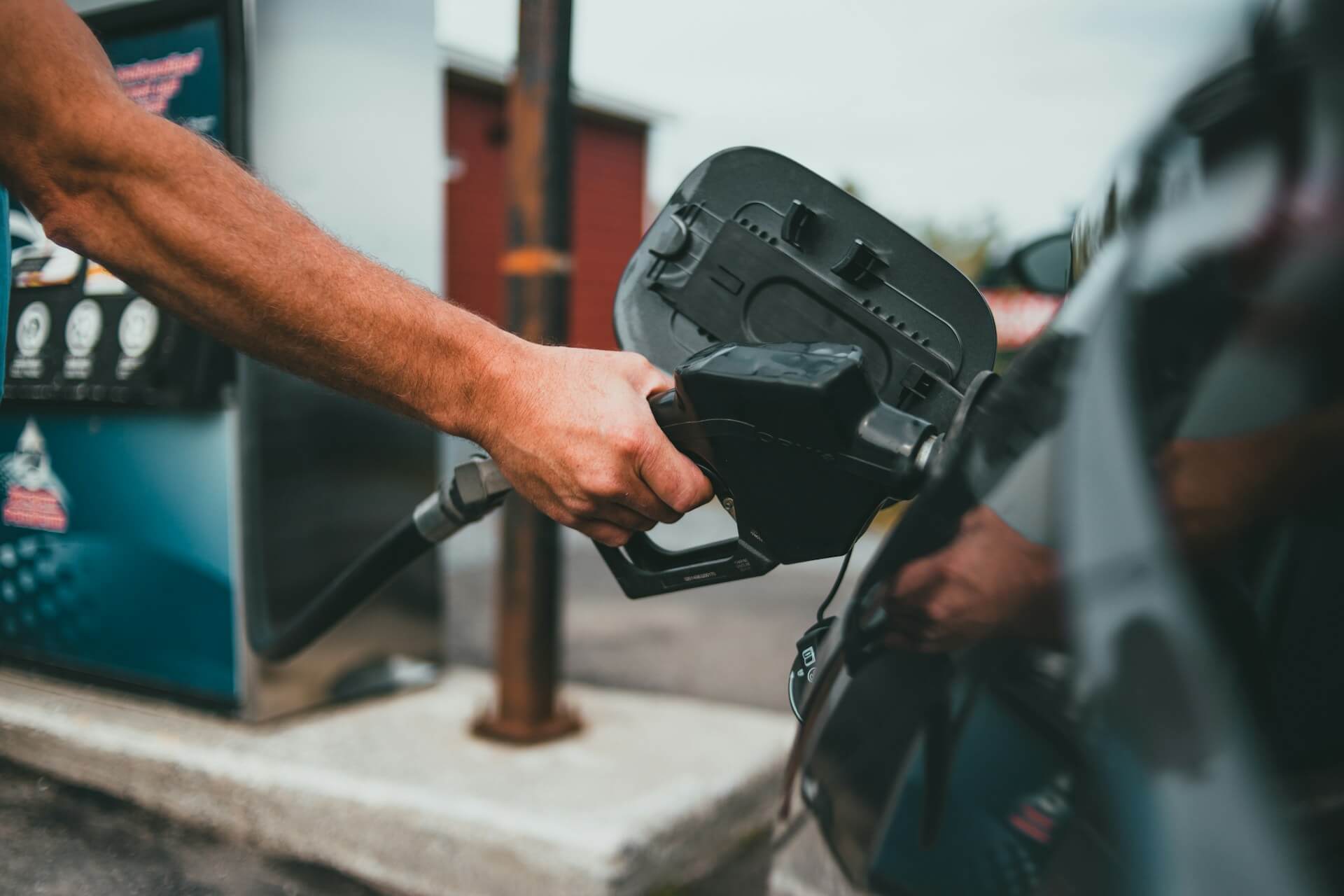
Fuel will always be a major line item, but it does not have to be a moving target. Pick a few high-return actions, measure them clearly, and keep nudging them forward. Over a quarter or two, the math becomes obvious – you are moving the same loads with fewer gallons, fewer detours, and fewer surprises.