

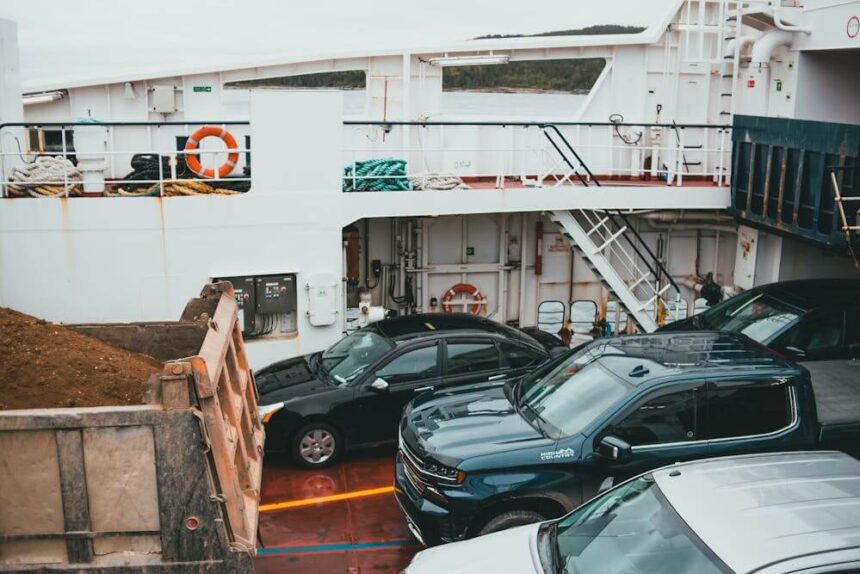
Delving into the costs associated with moving a vehicle enables proper planning for private and commercial use. There are several factors involved in calculating the price. By dissecting these components, you will have a better idea and avoid unpleasant financial surprises. In this guide, we analyze the key aspects contributing to the aggregate cost of vehicle shipping services.
Distance and Route
The most basic determinant of shipping prices is distance, so longer journeys tend to be more expensive as they use more fuel and take longer to drive. In comparison, a short haul has a lower price. The route selected also contributes; direct routes between key cities might be cheaper than those serving obscure or outlying areas. Pricing can also be impacted by factors such as road conditions, tolls, and weather through which cars travel. Thus, being aware of the vehicle shipping cost breakdown is greatly helpful for those intending to use these services.
Type of Transport
There are typically two types of shipping providers: open and enclosed carriers. Open transport is more common and less expensive because it involves transporting multiple vehicles at the same time. Enclosed carriers are more expensive but also provide additional protection from weather and road debris. This ultimate decision comes down to the value of the vehicle and how much money the owner is willing to spend to keep their investment safe.
Vehicle Size and Weight
Shipping costs are also higher for bigger and bulkier vehicles. Larger trucks take up space on a carrier and require more fuel. Although your compact car should cost less to transport, surcharges may apply for trucks, vans, and sport utility vehicles. Since the vehicle dimensions affect the price of the car’s delivery, providing accurate information about the vehicle helps the shipper offer a quote and avoid delays (or added charges).
Seasonal Fluctuations
Knowing how demand affects shipping prices year-round helps plan the times to ship vehicles. During the warmer months, the demand is higher, which can result in higher costs. There are fewer weather disruptions during this period, so shipments are completed well, occasionally at lower rates. Organizing transportation during off-peak seasons can help cut costs. Pricing may be affected due to severe weather, such as storms or snow, along with delays or alternative routes.
Pickup and Delivery Preferences
Door-to-door service offers convenience but can increase the final amount since it is inclusive of the total distance traveled. It’s cheaper to ship terminal-to-terminal, where vehicles are dropped off and picked up at specified locations. The availability of pickup and drop-off points additionally comes into play. Difficult-to-reach locations or those not accessible by truck increase the overall cost for additional labor and time.
Insurance Coverage
Most respected shipping companies offer some degree of insurance with their service. But this coverage may not fully apply to high-value and classic vehicles. For complete protection, owners may choose additional insurance for a fee. You can prevent loss of money due to unexpected incidents while moving if you carefully check the insurance options.
Timeframe and Delivery Speed
Express shipping ensures faster delivery but is more expensive. This means that standard shipping could be a little more flexible when it comes to scheduling and also might be less costly than express. Those that are more time-sensitive should be prepared to pay a premium for being prioritized. People willing to wait a little bit could benefit from cheaper solutions.
Additional Services and Fees
Requests such as moving non-operational vehicles or items within the car can also increase the cost. Additional fees may be levied by some companies for handling specific vehicle types, such as luxury or vintage models. Charges may also apply to modifications that affect pickup or delivery dates. If there are any special needs, making this clear helps to avoid surprise charges.
Conclusion
When you are aware of the factors that contribute to vehicle transport costs, you can make the best choices possible. By taking into account distance, transport type, car size, and timing, the best choices will emerge for each case. Anyone can obtain secure transport without having to overspend by researching available services and evaluating personal needs. With a little planning and transparency with your providers, the process will become seamless and cost-effective.