

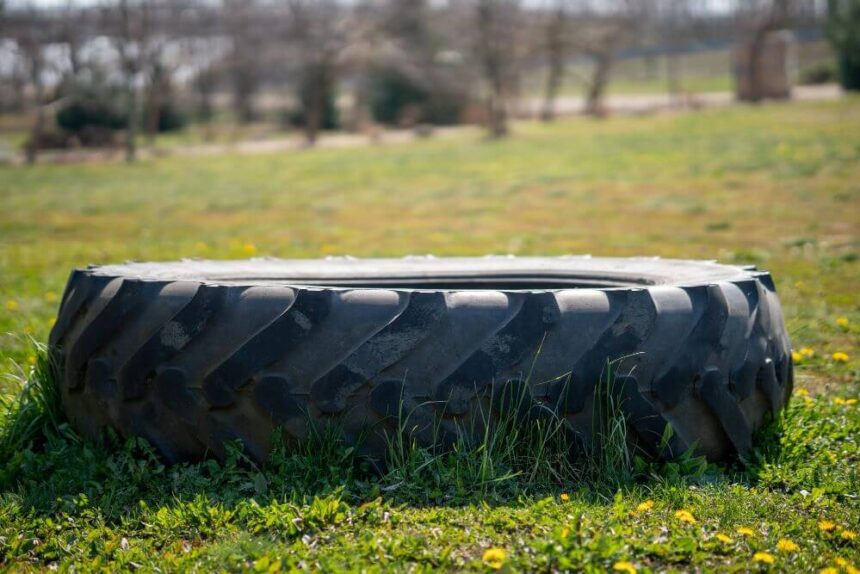
For drivers who want dependable performance in every season, upgrading to high-quality 33in tires is a smart and versatile choice. These tires are designed to deliver consistent traction across a variety of surfaces, making them ideal for daily driving, weekend adventures, and everything in between. Whether you’re dealing with rain-soaked roads, dry highways, or light snow, 33-inch all-terrain tires offer the balance needed to keep your truck or Jeep performing at its best year-round.
One of the biggest advantages of 33-inch tires is their adaptability. They provide increased ground clearance compared to smaller options, while still maintaining manageable weight and drivability. This makes them a popular upgrade for drivers who want improved off-road capability without sacrificing comfort or efficiency on paved roads.
Reliable Traction in Wet, Dry, and Light Snow Conditions
All-terrain 33-inch tires are engineered to perform in a wide range of weather conditions. Their tread patterns are specifically designed to provide grip on both smooth and uneven surfaces, ensuring reliable handling no matter the environment. In wet conditions, advanced tread designs help channel water away from the tire’s contact patch, reducing the risk of hydroplaning and improving overall stability.
On dry pavement, these tires offer a smooth and controlled ride, making them suitable for everyday commuting. Their balanced design minimizes road noise while maintaining the durability needed for off-road excursions. This versatility is what makes 33-inch all-terrain tires a go-to choice for drivers who want one set of tires that can do it all.
In light snow conditions, the tread pattern and siping work together to provide additional traction. While they may not replace dedicated winter tires in extreme conditions, they offer enough grip to handle occasional snow and icy patches with confidence. This makes them an excellent option for regions that experience seasonal weather changes without harsh winters.
For drivers who want to explore more aggressive setups, larger options like 34 inch tires can provide additional ground clearance and a more rugged appearance. However, 33-inch tires remain a practical choice for those seeking a balance between capability and everyday usability.
Durable Compounds That Resist Wear and Chipping
Durability is a key factor when choosing all-terrain tires, especially for drivers who frequently transition between on-road and off-road environments. High-quality 33-inch tires are built using advanced rubber compounds that resist wear, chipping, and cracking. This ensures they can handle the demands of rough terrain while maintaining long-lasting performance on paved surfaces.
Reinforced construction helps protect the tire from damage caused by rocks, debris, and other obstacles commonly encountered off-road. This added durability not only extends the life of the tire but also provides peace of mind when venturing into more challenging environments. Drivers can rely on their tires to perform consistently without worrying about premature wear or failure.
Another benefit of durable tire compounds is improved value over time. Investing in well-built 33-inch tires means fewer replacements and lower maintenance costs, making them a cost-effective upgrade for long-term use. Whether you’re commuting daily or heading off the beaten path, these tires are designed to keep up with your lifestyle.
For those looking to take their build even further, upgrading to larger sizes like 37 inch tires can enhance off-road capability and provide a more aggressive stance. However, these larger tires often require additional modifications, making 33-inch tires a more accessible and versatile option for many drivers.
Ultimately, all-terrain 33-inch tires offer the perfect combination of reliability, durability, and year-round performance. With dependable traction in various weather conditions and strong construction that resists wear, they are an excellent choice for drivers who want a tire that can handle every season and every road with confidence.