

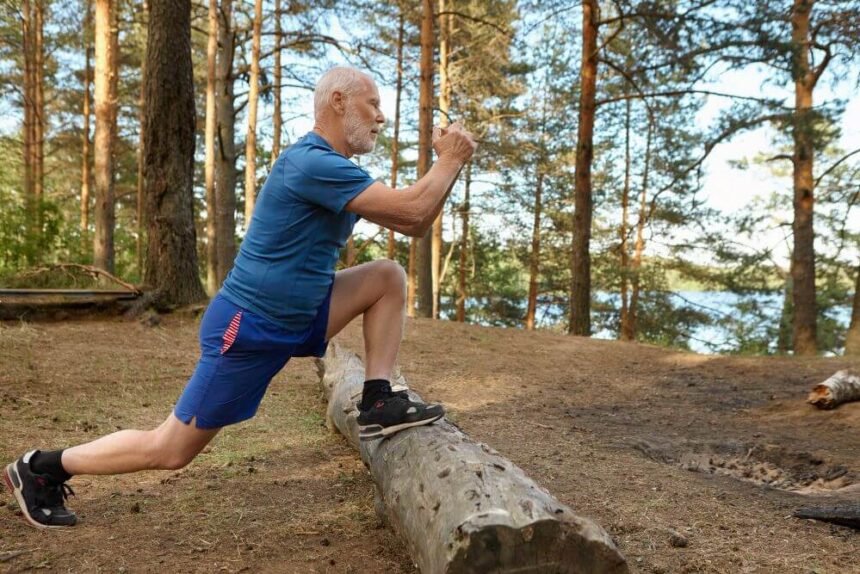
Staying active outdoors is one of the best ways for older adults to maintain their physical health, mental well-being, and social connections. Regular outdoor walks provide essential cardiovascular benefits and natural sunlight exposure, which can significantly improve sleep quality and mood. However, the fear of slipping or tripping can sometimes keep people indoors. This concern is entirely valid, as pedestrian falls actually result in more injuries for older adults than vehicle collisions. Many experts emphasize that a proactive approach to outdoor safety goes hand in hand with senior home care that encourages independence and long-term mobility.
According to a recent Morbidity and Mortality Weekly Report from the Centers for Disease Control and Prevention, over 14 million older adults reported falling in 2020 alone. Walking is the most common activity associated with these incidents, accounting for a significant portion of injuries among older populations. Understanding these risks is the first step toward overcoming them, allowing seniors to confidently enjoy their daily walks without compromising their safety.
Inspecting and Upgrading Mobility Equipment
For those who rely on walking aids, the structural integrity of that equipment is absolutely paramount to safe navigation. A cane or walker is only as reliable as its grip on the ground, making regular check-ups of your gear a mandatory part of fall prevention. Experts strongly advise inspecting the base of your mobility devices every three to six months to ensure reliable grip and shock absorption. Taking a few moments to thoroughly examine your walking aid can mean the difference between a safe stroll and a dangerous fall.
As the tread wears down over time, a smooth or cracked tip becomes a major safety hazard, losing its ability to generate the necessary friction against hard or uneven ground. When this happens, replacing your walking stick end rubbers becomes a critical, yet frequently overlooked, maintenance step. Advanced replacement tips often incorporate specialized tread patterns, concentric circles, or embedded metal washers designed specifically to enhance stability on wet pavement. Furthermore, using high-quality, non-marking tips provides the necessary outdoor traction without leaving black scuff marks when transitioning back to indoor light-colored flooring or tiles.
Recognizing Common Outdoor Hazards
While much attention is given to fall-proofing the inside of a house, nearly half of all falls experienced by community-dwelling older adults happen outdoors. These incidents frequently occur in parks, on sidewalks, and while crossing streets. Research shows that approximately 73 percent of outdoor falls among older adults are triggered by environmental hazards. Uneven sidewalks, cracked curbs, and slippery weather conditions create immediate dangers for anyone with compromised balance.
It is important to stay vigilant about these non-modifiable risks. Simply being aware of the terrain can dramatically reduce the likelihood of a slip. Localized environmental factors, such as steep slopes or harsh weather days, significantly elevate your risk. Transitions between indoor and outdoor environments, like stepping over a garage threshold or navigating a wet curb, are considered high-risk moments where older adults must be extra cautious.
Building Habits for Better Balance
Equipment maintenance is just one part of the equation when it comes to fall prevention. To truly safeguard your outdoor mobility, it is beneficial to adopt daily routines that improve physical resilience and spatial awareness over time. National awareness campaigns, such as the Falls Free Initiative promoted by the National Council on Aging, are dedicated to teaching practical steps that reduce fall risks and keep older adults independent for as long as possible. Building these positive habits directly strengthens your body and prepares you for the unpredictability of outdoor environments.
Consider integrating the following practical steps into your routine to maintain a safe stride:
- Participate in balance-focused exercises. Multi-component exercise programs that combine strength and balance training, such as Tai Chi, are explicitly recommended to improve spatial awareness and lower the risk of outdoor slips.
- Choose the right footwear. Wear shoes with firm, non-slip soles to reduce joint strain and provide better contact with unpredictable outdoor surfaces.
- Scan your path ahead. Keep your eyes on the ground a few feet in front of you to spot cracked pavement, wet leaves, or subtle changes in slope before you step on them.
- Take transitions slowly. Moving from indoor tile to an outdoor concrete step requires a shift in balance, so pause and ensure your footing is secure before proceeding.
Maintaining your mobility should not mean sacrificing your peace of mind. By staying informed about environmental hazards, keeping your mobility equipment in top condition, and practicing balance-enhancing habits, you can greatly minimize the risk of outdoor slips. Embracing these preventive measures empowers you to step outside with confidence, ensuring that your daily walks remain a safe, healthy, and enjoyable part of your active lifestyle.