

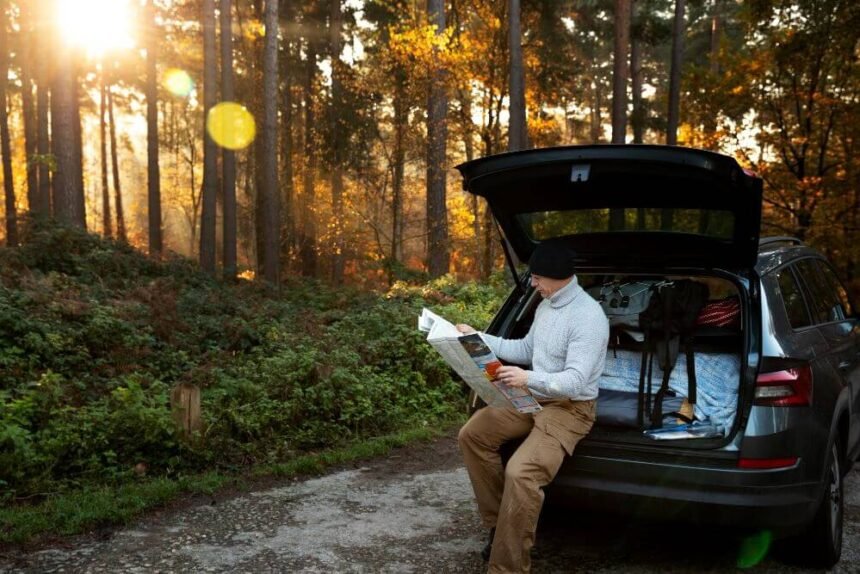
Utes and 4x4s are deeply embedded in the Australian way of life. For many drivers, a vehicle is not just a tool for weekday commutes to the job site. It is also the ultimate ticket to weekend freedom. Recent industry data shows that models like the Ford Ranger and Toyota HiLux consistently dominate national sales charts, proving that Australians value rigs capable of handling both heavy-duty trades and rugged outdoor adventures. With domestic camping trips reaching record highs of over 17 million annual getaways in recent years, outfitting a vehicle for this dual purpose has never been more relevant. Whether you are navigating busy city streets or exploring remote outback tracks, having a versatile setup makes every journey more efficient.
Managing Payload and Weight Safely
Before adding any new equipment to your vehicle, it is critical to understand its weight limits. Every modification you make subtracts from the legal carrying capacity. According to a detailed guide from Auto Expert, a conservative packing list including three passengers, a bullbar, a towbar, basic tools, fuel, and luggage can easily consume 500kg of your vehicle’s payload limit. This leaves very little room for error if you plan to add heavy canopies or tow a caravan. To stay safe and legal on the road, 4×4 owners must carefully calculate their Gross Vehicle Mass (GVM) and prioritise lightweight accessories wherever possible. Overloading your vehicle not only risks hefty fines but also places immense strain on your suspension and braking systems.
Upgrading Your Exterior Storage
Secure storage is the backbone of any reliable work and adventure vehicle. You need spaces that keep expensive trade tools safe during the week and protect camping gear from the elements on the weekend. This is where material selection becomes incredibly important. For instance, a traditional steel storage unit can weigh up to 180kg when completely empty. Upgrading to a marine-grade aluminium ute toolbox can slash that weight down significantly. This swap alone preserves a massive portion of your legal payload capacity, allowing you to carry more essential supplies. Furthermore, aluminium is naturally resistant to corrosion. This makes it the ideal material for vehicles that transition between dusty inland construction sites and salt-heavy coastal camping spots. Keeping your gear locked away securely also acts as a strong deterrent against theft when parked in public areas.
Enhancing the Cabin for Comfort and Utility
While exterior storage handles the heavy lifting, the interior of your dual-cab needs just as much attention. Moving constantly between work boots, sandy beach gear, and muddy camping equipment will quickly ruin a standard vehicle interior. Investing in deep-dish rubber floor mats and heavy-duty canvas seat covers will protect your cabin against daily wear and tear. Finding the right balance between comfort and utility is a common theme in modern outdoor lifestyle guides, which often highlight the importance of high-quality automotive accessories. Simple additions like seat organisers for tablets or paperwork and durable dash mats go a long way in making the cabin more comfortable for family road trips while keeping it professional for Monday morning. Upgrading your sound system and installing acoustic sound deadening can also drastically reduce road noise during long highway drives.
Prepping for Off-Grid Independence
A growing trend in the outdoor tourism space is the issue of crowded holiday parks and booked-out coastal campsites. This challenge is forcing many 4×4 owners to prepare for fully self-sufficient, off-grid travel. If you cannot rely on powered sites or caravan park amenities, your vehicle needs to pick up the slack. Creating a base camp that functions entirely off the grid requires careful planning and high-quality electrical components.
To optimise your 4×4 for true off-grid independence, consider implementing the following upgrades:
- Modular Canopy Systems: Lift-off canopies are becoming incredibly popular. They allow you to detach your heavy camping setup during the week to maximise tray space and improve daily fuel efficiency.
- Dual-Battery Setups: Running a 12-volt system ensures your portable fridge stays cold and your devices remain charged without draining the main starter battery.
- Portable Solar Panels: A folding solar blanket can easily sit on your dashboard or canopy roof, providing a continuous trickle charge to your auxiliary battery while parked at the beach.
- Organised Recovery Gear: Always carry rated recovery tracks, a snatch strap, and a reliable air compressor in a dedicated, easily accessible spot.
- Water Storage Solutions: Installing a slimline water tank behind the rear seats or under the tray ensures you have access to fresh drinking and washing water in remote locations.
By carefully managing your vehicle weight, investing in lightweight exterior storage, and protecting your interior, you can easily bridge the gap between professional utility and weekend recreation. A well-planned 4×4 build will serve you faithfully on the job site and take you off the beaten track with absolute confidence.