

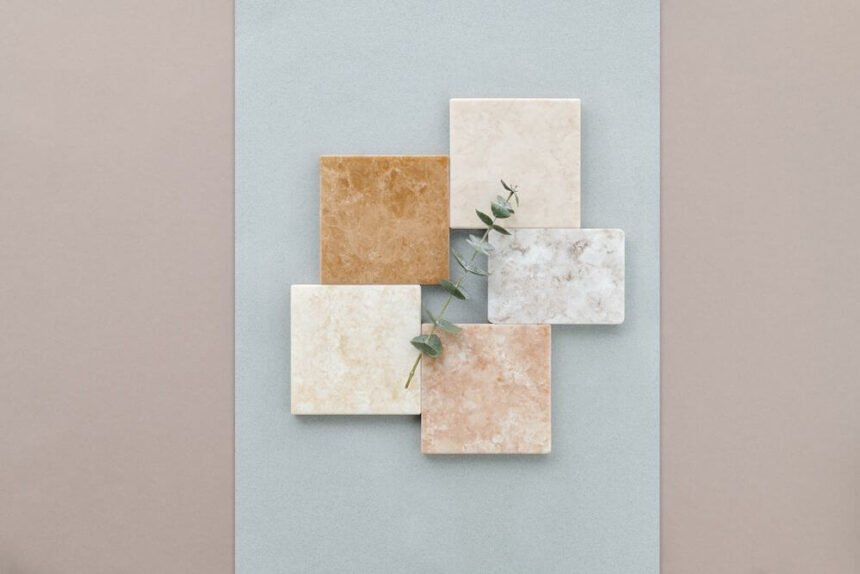
When choosing tile materials for a home improvement project, durability is a critical factor. Both limestone and granite tiles offer distinct advantages, making the decision a nuanced one. Understanding the durability of these materials is essential for (not provided), whether you’re a homeowner looking to renovate or an interior designer crafting a client’s dream space. This article will compare the durability of limestone and granite tiles, explore their key characteristics, examine environmental factors impacting their longevity, and discuss cost considerations. By the end, you’ll have a clearer understanding of which tile material best suits your needs.
Limestone Tile vs Granite Tile: An In-Depth Durability Comparison
Limestone Tile is known for its softer, more porous nature, which can affect its durability. While it provides a classic aesthetic, it may be more susceptible to scratches and stains unless properly sealed. Granite, on the other hand, is a denser material known for its exceptional hardness, often used in high-traffic areas due to its ability to withstand significant wear and tear. Homeowners interested in achieving this classic aesthetic often turn to Limestone Tile for their projects.
One aspect that professionals in the home improvement industry often consider is the R-value, a measure of thermal resistance. Granite typically has a higher R-value than limestone, making it a suitable choice for areas requiring better insulation. However, limestone’s natural beauty and warm tones can add significant aesthetic value, especially in spaces where a softer look is desired.
For those concerned with structural integrity, considering the use of a WEDI Board, a waterproof building panel, can enhance the application of both materials, especially in moisture-prone areas like bathrooms and kitchens. This can significantly extend the life of the tiles, regardless of whether limestone or granite is chosen.
Key Characteristics of Limestone Tile and Granite Tile
Limestone Tile is often prized for its natural, earthy look, often sought after in rustic or traditional interior designs. It can vary in color and texture, providing a unique, custom look in each installation. However, its porosity means regular sealing is necessary to maintain its appearance and durability.
Granite tile, conversely, offers a sleek, polished finish that fits well with modern and contemporary designs. Its dense composition makes it highly resistant to scratches, which is ideal for busy households or commercial applications. Furthermore, granite’s natural resistance to moisture makes it a preferred choice for areas like kitchens and bathrooms.
When integrating these tiles into a broader design, considering the impact of FFE (Furniture, Fixtures, and Equipment) is essential. Heavy furniture can impact the longevity of softer materials like limestone, necessitating strategic placement to prevent damage over time.
Environmental Factors Affecting the Durability of Tile Materials
Environmental conditions play a significant role in the durability of limestone and granite tiles. For instance, limestone is more prone to weathering in outdoor settings due to its porous nature. This makes it less suitable for exterior applications unless treated with a protective sealant.
Granite’s robustness makes it less susceptible to environmental damage, making it ideal for both interior and exterior projects. This is particularly relevant in regions with harsh weather conditions, where durability is a priority. Additionally, getting a zoning variance might be necessary if the project involves altering the exterior of a building, ensuring compliance with local regulations.
For sustainable building projects, choosing materials with LEED Certification can be a consideration. While both limestone and granite can be sourced sustainably, granite’s longer life and durability often contribute to its favorability in eco-friendly projects.
Cost Considerations for Limestone and Granite Tiles in Durable Flooring
The cost of tile materials is a crucial consideration for any project. While Limestone Tile generally presents a more budget-friendly option, the need for regular maintenance and sealing can add to long-term costs. Granite, though more expensive upfront, often requires less maintenance, which can result in savings over time.
When evaluating expenses, it’s important to consider not just the initial cost but also the potential need for replacements or repairs. For instance, recent analysis from Architectural Digest suggests that the durability of granite can reduce the need for frequent renovations, leading to cost savings in the long run.
It’s also worth noting how installation techniques, such as using CMU (Concrete Masonry Units) for subfloor support, can influence costs and durability. Proper installation ensures the longevity of both limestone and granite tiles, maximizing your investment.
Conclusion
Choosing between limestone and granite tiles hinges on balancing aesthetic preference, durability requirements, and budget considerations. Limestone offers a warm, natural look, perfect for traditional designs, while granite provides unmatched durability, ideal for high-traffic areas. For (not provided), understanding these factors ensures an informed decision tailored to specific project needs. Whether prioritizing aesthetics or longevity, both materials can enhance any space when applied thoughtfully.