

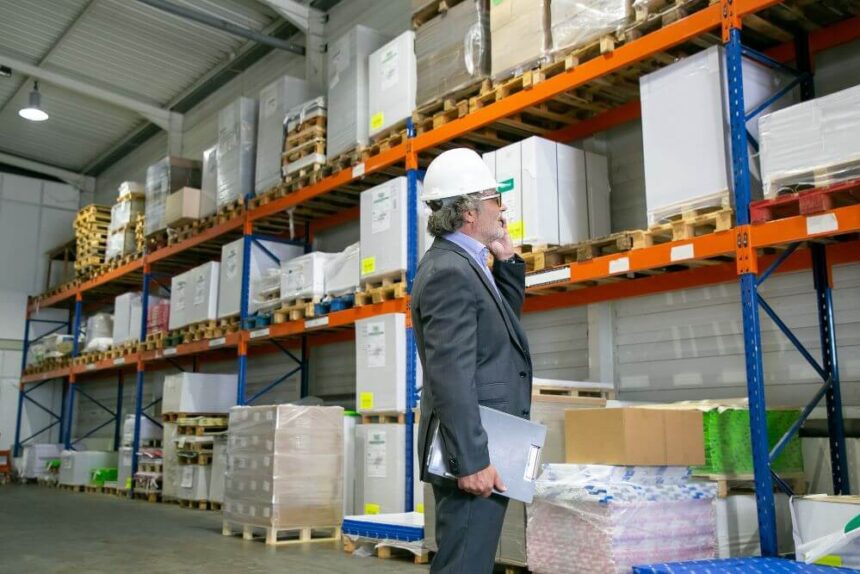
Organising a large-scale storage facility requires careful planning and a deep understanding of your operational needs to ensure maximum productivity. Choosing the right shelving system is not just about finding a place to put items but about creating a logical flow that supports your team. This blog explores the factors you must evaluate before investing in a storage setup for your professional environment.
Evaluate Your Specific Load Requirements
Before you look at different styles, you must have a clear understanding of the weight and size of the items you plan to store. Industrial shelving is designed with weight capacities in mind, and exceeding these limits can lead to dangerous structural failures or damaged goods. Calculate the maximum weight per shelf and ensure that the frames are sturdy enough to support the total load across the entire unit.
Consider the Available Floor Space
Maximising the vertical height of your building is one of the most effective ways to increase your storage capacity. You should measure your ceiling height and check for obstructions like light fixtures, sprinklers, or ventilation ducts that might limit how high you can go. It is also important to plan your aisle widths carefully to ensure that staff or machinery can move between the shelves without any difficulty.
Assess Accessibility and Retrieval Speed
The frequency with which you need to access items should dictate the type of industrial warehouse shelving you choose for different areas of your facility. If you have a high turnover of goods, you might prefer an open-style system that allows for hand-picking from multiple sides. For items that are moved often, high-density storage options might be right to save space, even if they take longer to access.
Durability and Material Quality
Industrial environments are harsh, so your shelving must be made from quality materials that can resist constant use. Steel is the standard choice for most warehouses because of its strength and resistance to fire, which is a safety consideration. Look for powder coating or galvanisation that protects the metal from rust and corrosion, especially if you operate in a humid or temperature-controlled environment.
Flexibility and Future Scalability
Your storage needs today might be very different from what you require a year from now, so choosing a modular system is a very wise move. Look for shelving that allows you to adjust the height of individual levels or add new sections easily as your inventory grows. Systems that use boltless designs are particularly popular because they can be reconfigured quickly without the need for specialised tools.
Safety Standards and Compliance
Ensuring the safety of your staff is the most important responsibility when setting up any kind of industrial equipment or storage solution. Verify that the shelving you select meets all relevant safety standards and includes features like floor anchors to prevent tipping. It is also a good idea to look for systems that allow for the easy installation of safety accessories like mesh backing or aisle protectors.
Integration with Existing Equipment
If your facility uses forklifts or automated picking systems, your new shelving must be compatible with these tools. Check that the shelf openings are large enough for your equipment to enter safely and that the uprights are protected from accidental bumps. Some systems are designed to work with automated rollers or conveyor belts, which can boost your output if you handle large volumes of small items.
Building a Better Storage Foundation
Selecting the right industrial warehouse shelving is a critical decision that impacts the daily rhythm and safety of your entire operation. Taking the time to analyse your load needs, space constraints, and future goals creates a solid foundation for your business to thrive. A thoughtful approach to your storage infrastructure will lead to better organisation, happier employees, and a more profitable enterprise.