

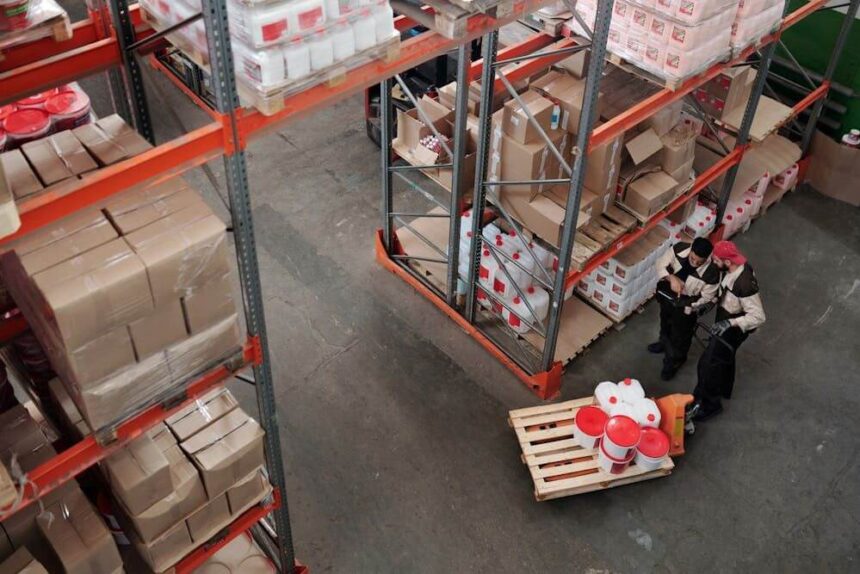
Supply chain efficiency plays a central role in how modern businesses operate, compete, and grow. Companies depend on well-coordinated logistics processes to ensure products move quickly, costs remain under control, and customers remain satisfied. As global markets expand and customer expectations rise, even minor inefficiencies can create delays, increase expenses, and weaken a company’s competitive position. For businesses operating across regions or managing complex distribution networks, the need for streamlined systems has become more urgent than ever.
Recent disruptions, from shifting demand patterns to global supply constraints, have highlighted how fragile supply chains can be without proper structure and oversight. Organizations are now prioritizing smarter logistics strategies, investing in technology, and developing talent with specialized knowledge in operations and planning. Building a strong foundation in supply chain principles allows businesses to respond quickly to changes while maintaining efficiency and consistency in their processes.
Understanding the Complexity of Modern Supply Chains
Modern supply chains involve a wide network of suppliers, manufacturers, distributors, and retailers that must work in coordination. Each stage requires careful planning, accurate data, and timely communication. As businesses expand globally, they face additional challenges, including regulatory differences, transportation delays, and fluctuating market conditions. Managing these complexities demands a strategic approach rather than simple operational oversight.
To address these challenges, many professionals look for structured learning that goes beyond basic logistics knowledge. They need a deeper understanding of data analysis, global sourcing, and operational strategy to manage complex supply chains effectively. This growing demand for advanced skills has made specialized education more important than ever. Pursuing an online degree in supply chain management allows professionals to learn the frameworks needed to analyze systems, improve coordination, and implement efficient processes. Online programs also provide flexibility, making it easier for working professionals to develop relevant skills while continuing in their roles.
Using Real-Time Data and IoT for Smarter Inventory Tracking
Real-time data has become a critical asset for improving supply chain visibility. Businesses now rely on connected devices and digital platforms to monitor inventory levels, track shipments, and respond quickly to changes in demand. Internet of Things (IoT) technology allows companies to gather accurate, up-to-date information from multiple points in the supply chain, reducing the likelihood of stockouts or excess inventory.
With better data access, decision-makers can adjust inventory strategies based on actual demand patterns rather than estimates. This leads to improved forecasting, more efficient stock replenishment, and reduced operational costs. Cloud-based systems further enhance coordination by allowing teams across different locations to access the same information in real time, ensuring smoother communication and faster responses to potential disruptions.
Streamlining Warehouse Layouts for Faster Fulfillment
Warehouse efficiency directly affects how quickly orders are processed and delivered. A well-organized layout reduces unnecessary movement, shortens picking times, and improves overall productivity. Businesses often analyze workflow patterns to determine the best placement of high-demand items, ensuring that frequently picked products are easily accessible.
Implementing structured systems such as zone picking, cross-docking, and optimized storage solutions can significantly improve fulfillment speed. In addition, warehouse management systems help automate tasks, accurately track inventory, and reduce human error. When businesses invest in both physical layout improvements and digital tools, they create a more efficient environment that supports faster order processing and better customer service.
Optimizing Last-Mile Delivery and Transportation Routes
Last-mile delivery remains one of the most complex and costly stages in the supply chain. Businesses must ensure that products reach customers quickly while controlling fuel costs and delivery times. Route optimization tools help companies identify the most efficient paths, reducing delays and improving overall delivery performance.
Advanced software solutions leverage real-time traffic data and predictive analytics to adjust routes dynamically. This flexibility allows businesses to respond to unexpected disruptions and maintain service reliability. Improved delivery accuracy also enhances customer satisfaction and builds long-term trust.
Strengthening Supplier Relationship Management (SRM)
Strong supplier relationships are essential for maintaining consistency and efficiency across the supply chain. Businesses that collaborate closely with suppliers can improve product quality, reduce delays, and negotiate better terms. Clear communication and shared goals create a more stable and reliable supply network. Long-term partnerships often lead to better alignment and operational success.
Effective SRM also involves monitoring supplier performance through measurable metrics. Companies that regularly evaluate delivery timelines, quality standards, and responsiveness can identify areas for improvement. Diversifying suppliers further reduces risk and ensures continuity in the face of unexpected disruptions.
Leveraging Automation and AI in Logistics Forecasting
Automation and artificial intelligence are transforming how businesses plan and manage logistics operations. AI-driven tools analyze large datasets to forecast demand, identify trends, and support more accurate decision-making. This reduces uncertainty and allows companies to allocate resources more effectively. As a result, businesses can respond faster to market changes.
Automation also streamlines routine processes such as order processing and inventory updates. By reducing manual intervention, businesses can improve accuracy and increase operational speed. Predictive analytics further helps organizations anticipate potential issues and take proactive measures before disruptions occur.
Sustainability and Green Logistics as a Competitive Advantage
Sustainability has become a key focus for businesses looking to improve efficiency and meet regulatory requirements. Green logistics practices, such as optimizing delivery routes and using energy-efficient warehouses, help reduce environmental impact while lowering operational costs. Companies that adopt these strategies often gain a competitive edge.
Consumers and stakeholders increasingly expect businesses to demonstrate environmental responsibility. Implementing sustainable practices not only supports compliance but also enhances brand reputation. Over time, these efforts contribute to long-term efficiency and stronger market positioning. Businesses that prioritize sustainability often build stronger trust with their audience.
Building a More Efficient and Resilient Supply Chain
Improving supply chain efficiency requires a combination of technology, strategic planning, and strong partnerships. Businesses that invest in real-time data, optimized operations, and advanced forecasting tools can reduce costs while improving service quality. Each improvement contributes to a more agile and responsive system. Continuous evaluation helps identify new opportunities for optimization.
A well-structured supply chain supports long-term growth and stability. Companies that prioritize efficiency are better prepared to handle disruptions and adapt to changing market conditions. By focusing on continuous improvement, organizations can maintain a competitive advantage and deliver consistent value to their customers.