

There’s something timeless about cooking on a charcoal barbecue. The crackle of glowing coals, the smoky aroma rising from the grill, and the rich, complex flavor only charcoal can deliver—these are experiences that electric or gas grills struggle to replicate. Whether you’re a backyard beginner or a seasoned grill master, understanding what makes charcoal bbq special can enhance your cooking and deepen your appreciation for outdoor cooking as a craft.
In this blog post, we’ll explore the elements that make charcoal BBQs beloved, what you need to know before getting started, and tips to improve your results. From choosing charcoal and lighting techniques to mastering temperature control and flavor building, this post will help you fire up your next cookout with confidence and insight.
What Makes Charcoal BBQ Unique
The Flavor Factor
The most celebrated advantage of charcoal grilling is flavor. When charcoal burns, it produces a distinct smoky taste that permeates food, especially meats like brisket, ribs, and steaks. Unlike gas grills that rely on clean heat, charcoal interacts with drippings and wood chips to create aromatic smoke and nuanced flavors that many barbecue enthusiasts prize.
Heat Characteristics
Charcoal grills can reach higher temperatures than many gas grills, making them ideal for searing. The radiant heat from hot coals creates a beautiful caramelized crust while keeping the interior juicy. Additionally, charcoal grills allow for both direct and indirect cooking, which means you can sear a steak over blazing coals and then move it to a cooler area to finish cooking slowly.
The Ritual of the Grill
There’s a ritualistic satisfaction in starting a charcoal fire. Arranging the coals, coaxing them to flame, and knowing when they’re ready—this process engages the griller in a way that simple push-button starts don’t. For many, this ritual is part of the joy of outdoor cooking.
Choosing Your Charcoal
Selecting good charcoal makes a big difference in performance and flavor. There are a few main types to consider:
Briquettes
Charcoal briquettes are uniform, easy to light, and provide consistent heat. They often contain binding agents that help them burn steadily, which is great for longer cooking sessions.
Lump Charcoal
Lump charcoal is made by burning wood in the absence of oxygen until it becomes pure carbon. It lights faster, burns hotter, and produces less ash than briquettes. Because it’s made from wood, its shape and size vary, which can lead to uneven burning if not monitored.
Specialty Charcoals
You can also find charcoal infused with natural additives like coconut shells or mesquite wood chips. These can add extra aroma and flavor, though they’re generally more expensive than standard briquettes or lump charcoal.
Getting Started: Lighting the Grill
Successfully lighting charcoal is a foundational skill for great BBQ. Here are common methods:
Chimney Starter
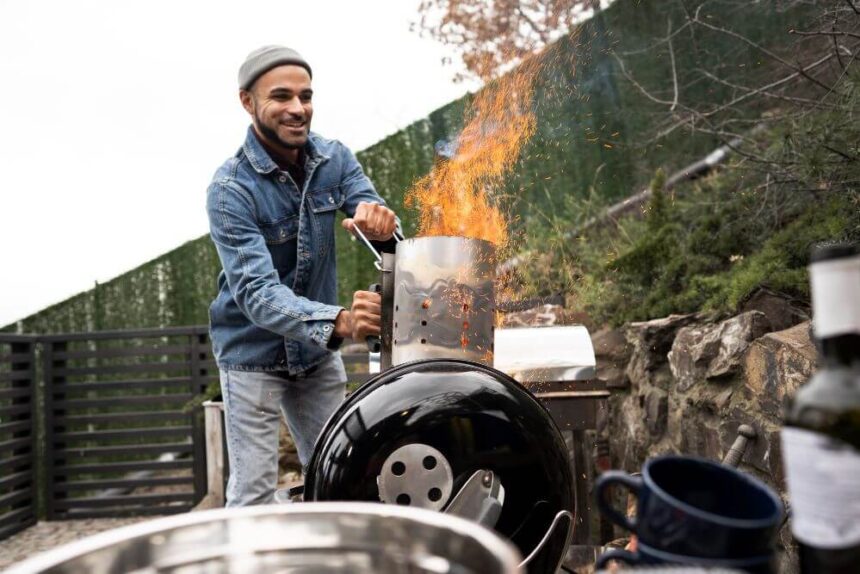
A chimney starter is one of the easiest and most reliable tools for lighting charcoal. It’s a metal cylinder with a grate inside. Place crumpled newspaper or natural fire starters under the grate, fill the chimney with charcoal, and light the paper. Within 10–20 minutes your coals will be glowing and ready to pour into the grill.
Lighter Cubes or Fire Starters
If you don’t have a chimney starter, you can use lighter cubes or fire starters placed under the charcoal. Avoid lighter fluid if possible, as it can leave unwanted chemical flavors on your food if not fully burned off.
Temperature Control: The Art of Heat
Unlike gas grills with knobs that clearly display settings, charcoal grilling requires a bit more attention to manage heat:
Adjust Airflow
Grills have vents or dampers that control airflow. Opening vents increases oxygen flow and raises temperature while closing them reduces heat. Learning how to balance airflow is key to consistent temperature.
Two-Zone Cooking
For versatile cooking, set up a two-zone fire: bank the coals on one side of the grill for high heat and leave the other side cooler for indirect cooking. This lets you sear foods over hot coals and then move them to a gentler heat to finish.
Food Pairings and Smoking
Charcoal grilling is versatile. You can grill simple burgers and hot dogs, smoke ribs low and slow, or try whole chickens and roasts. Adding wood chips or chunks—like hickory, apple, or mesquite—to the charcoal can introduce deeper smoke flavor. Soak the wood before adding it to the fire or place it directly on hot coals for bursts of aromatic smoke.
Tips for Better Barbecue
Start Early
Charcoal takes time to heat up. Light your grill 30 minutes before cooking so the coals reach consistent, even heat.
Keep It Clean
Remove ash between cooks. Too much ash can suffocate airflow and lower heat.
Let Meat Rest
After cooking, allow meat to rest before cutting. This helps juices redistribute and improves tenderness.
Conclusion: Embrace the Charcoal Experience
Charcoal barbecue isn’t just a cooking method—it’s an experience shaped by fire, flavor, and technique. The mojo of lighting coals, mastering heat, and savoring smoky results makes charcoal grilling rewarding and fun. Whether you’re firing up your first grill or refining your skills, understanding the basics of charcoal BBQ sets you up for success. Embrace the heat, respect the process, and enjoy the delicious rewards that come from cooking with charcoal.