

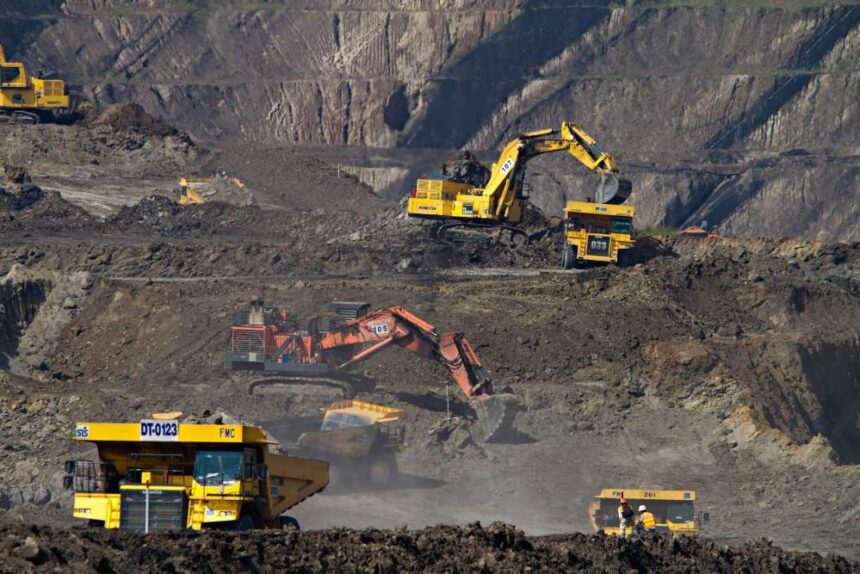
At its core, mining engineering is all about using engineering skills to get minerals out of the ground safely and profitably. It’s a field that blends lots of other knowledge—geology for understanding where to dig, metallurgy for working out how to treat the raw materials, geotechnical expertise for handling the tricky ground conditions, and surveying to map everything out. Mining engineers get stuck into everything from first assessing a site’s potential, to planning how it should be mined, all the way through to shutting down a site responsibly.
In every stage of the mining process, engineers are centre stage. When minerals are being removed, they have to work out the smartest and safest way to go about it, adjusting for both the ground’s quirks and environmental rules. Sometimes the job involves huge open pits, sometimes it’s deep tunnels and shafts. A good plan—along with the right equipment and new technology—makes all the difference for safety and productivity.
There’s another big job for mining engineers once the minerals are out: processing. It’s their job to design and manage systems that turn lumps of rock into something useful, making sure what comes out is pure, usable, and up to standard for manufacturing or industry. Choosing between different methods, like gravity separation, flotation, or leaching, depends on the material and what’s needed at the end.
Looking after the environment is also a major part of the work. Engineers put together plans to return the land to a good state when mining is done, deal with waste, and keep water and soil clean. They have to make sure everything ticks the boxes for environmental laws and that the site can be used for something else in future—like wildlife habitats or new developments.
History of Mining Engineering
Mining engineering has its roots deep in human history. Before metals and machines, people in places like northern France and southern England were already digging underground for flint—an absolute essential in the toolkit of early humans. Beyond making sharp stones for hunting, early miners even lit fires in caves to break up rocks, showing an impressive amount of ingenuity for their time.
One spot that stands out is the Lion Cave in Eswatini. About 43,000 years ago, people there were unearthing red ochre. The pigment they made from hematite wasn’t just for art; it often had spiritual or practical uses as well.
Once the Romans arrived on the scene, everything got a bit more ambitious. They brought in huge volumes of water using aqueducts, which made it easier to wash away loose rock. Their fire-setting method—heating rocks with fire and cooling them with water to crack them open—was especially clever. They even set up complex water wheels at places like Rio Tinto in Spain, showing that mining tech wasn’t just about brute force.
Things shifted up a gear in the 17th century, thanks to black powder. Miners in today’s Slovakia realised it could blast through rock much more efficiently than fire alone. That idea spread fast. Fast forward to the Industrial Revolution, and steam-powered pumps, lifts, and drills were changing the very idea of what mining could be. Work got faster, safer, and more productive—transforming the industry for good.
All of these milestones set the stage for the high-tech mining operations we see today, where new ideas and technologies keep moving the field forward.
The Role of Mining Engineers
Mining engineers do much more than sketch out mine plans and keep an eye on machinery. They use a mix of engineering know-how and science to work out how to get minerals and metals out of the ground efficiently and safely.
Their job always starts with assessing whether sites are worth mining, coming up with layouts that make sense both for people and for the environment, then sorting the equipment and mapping out the logistics for how everything will move in and out.
Once a mine is up and running, engineers keep things ticking over. They manage work schedules, aim for smooth and efficient operations, and make sure there’s steady communication between teams. On top of that, they decide on the safest way to extract minerals and oversee the use of massive machines, from excavators to drills.
Keeping that heavy equipment in top working condition is part of the job too, and that means staying on top of component maintenance, including critical drive systems like the final drive used in excavators, which powers an excavator’s movement and must be regularly inspected and sourced from reliable parts suppliers to avoid costly downtime.
Safety sits high on the priority list. Since mines can be risky, engineers constantly check that everyone sticks to safety guidelines, and that tunnels and open pits stay stable. They’re the ones who look for trouble before it happens and take action so everyone makes it home at the end of a shift.
Today’s mining engineers also have to protect the environment. That means introducing processes that reduce impact, using technologies like drones to monitor sites, and coming up with clever ways to restore land after mining has finished.
With laws and public expectations getting stricter, engineers are expected to think ahead, making sure their sites not only supply vital materials but also respect natural ecosystems. Their work is all about balancing the need for resources with the responsibility to look after our world.
Educational Pathways and Skills
Starting out as a mining engineer usually means getting to grips with maths and science at school. If you fancy this career, you’ll need strong A-levels in those subjects to get you into university.
Most people go on to study for degrees like a Bachelor of Engineering, Bachelor of Science, or Bachelor of Technology focusing on mining engineering. In certain countries, especially if you want a licence to call yourself an engineer, you may need to go a step further with a master’s degree.
You’ll spend plenty of time wrestling with modules like calculus, algebra, and statistics. It’s not just numbers – you’ll also dig into geoscience topics such as mineralogy and geochemistry, plus learn about how rocks and soil behave. Engineering aspects aren’t left out either, with courses covering the mechanics and movement of materials, thermodynamics, and fluid flow. If you’re not keen on computers, be warned: you’ll end up using industry software like DATAMINE and MATLAB, which are standard kit for mining tasks.
What’s important is mixing knowledge from lots of areas. Geology helps you understand where to look for valuable minerals. Mechanical and electrical engineering are needed to design, fix, and keep all that heavy mine equipment in good working order. By picking up skills from a range of disciplines, you’ll be much better at solving all the tricky technical challenges that can pop up during mining and mineral processing.
Technological Innovations in Mining
Mining is quickly picking up the latest tech, and it’s making a real difference. Artificial intelligence, drones, and automated machinery aren’t just buzzwords here—they’re shaping how mines actually run.
Engineers from places like the University of Arizona are starting to use AI to get more out of every tonne of rock. By analysing massive streams of data, AI speeds up decision-making and tweaks extraction methods in real time. The aim? More ore where it counts and less time wasted with guesswork or unnecessary manual labour.
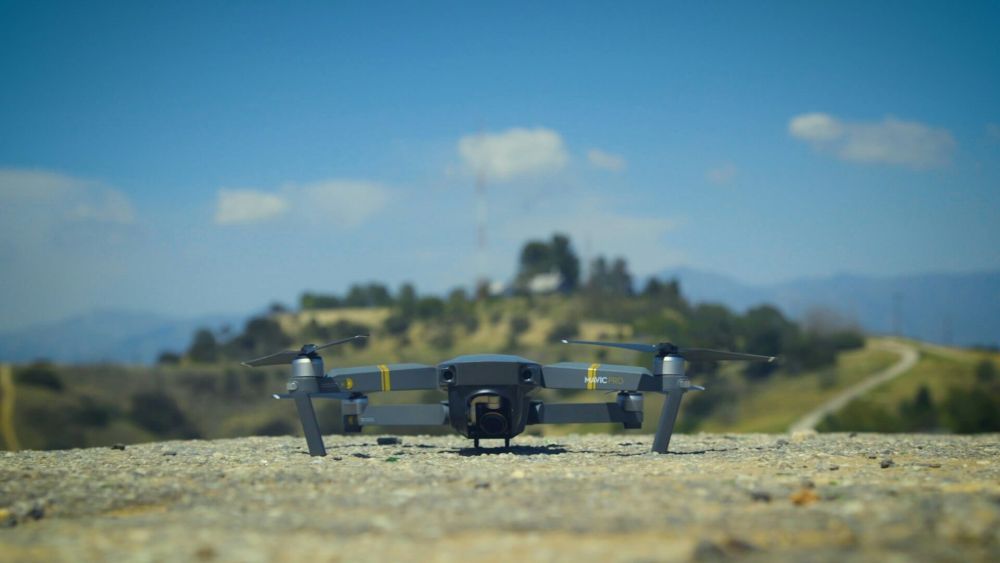
Then there’s drones. These gadgets have become essential for spotting trouble before it happens. By flying over sites and sending back detailed images, drones allow for up-to-date checks on slope stability and make surveying tricky, dangerous spots much safer and faster. Less clambering about on loose rocks means fewer accidents and better site maps in the process.
Automation is a true game changer. Companies like Caterpillar are bringing in driverless trucks, automated drills and smart monitoring systems. These machines can keep going around the clock, keep people out of risky areas, and deliver more accurate work than older manual methods.
Bringing all this new technology together has massively boosted both safety and productivity. Automated equipment helps cut down waiting time between shifts, improves accuracy, and gets more value out of resources which saves money. Meanwhile, using AI and drones to flag potential problems early means less risk for workers.
In short, mining is getting smarter, safer, and even a bit greener—all thanks to these innovations.
Challenges and Environmental Impact
Mining is a crucial industry, providing the raw materials for everything from mobile phones to public transport. However, digging those materials out of the ground is far from gentle on nature. Whole habitats can be wiped out, trees cleared, and soil left unstable. Even the specific approaches to mining can have major environmental implications, as highlighted by the differences between opencut and underground mining methods. The process often leads to air and water pollution when substances like heavy metals or acid leak into the environment. Plus, it’s a hungry industry—running all that equipment burns a lot of energy and pumps more greenhouse gases into the air, pushing climate change along.
Mining engineers are problem-solvers at the frontline. Part of their day is spent working out how to handle mine waste better, keep pollution to a minimum, and breathe new life into exhausted sites. Their challenge is to pull resources from the ground while causing as little harm as possible to plants, animals, and people. This means exploring new tools and smarter ways to dig that don’t leave a massive scar behind.
The shift to sustainable mining is gathering speed. Engineers are working on land restoration projects, putting together water management plans that cut the risk of contamination, and even bringing in solar or wind power to run machinery where possible. Technologies like remote sensing and machine automation are making it easier to extract just what’s needed, which leaves more of the landscape untouched.
Recycling and reusing materials is becoming the order of the day. Circular economy thinking helps cut back on fresh mining, reducing pressure on the environment in the process. It’s clear that mining engineers who lead in these areas will help keep the industry viable without losing sight of the responsibility to protect the natural world.