

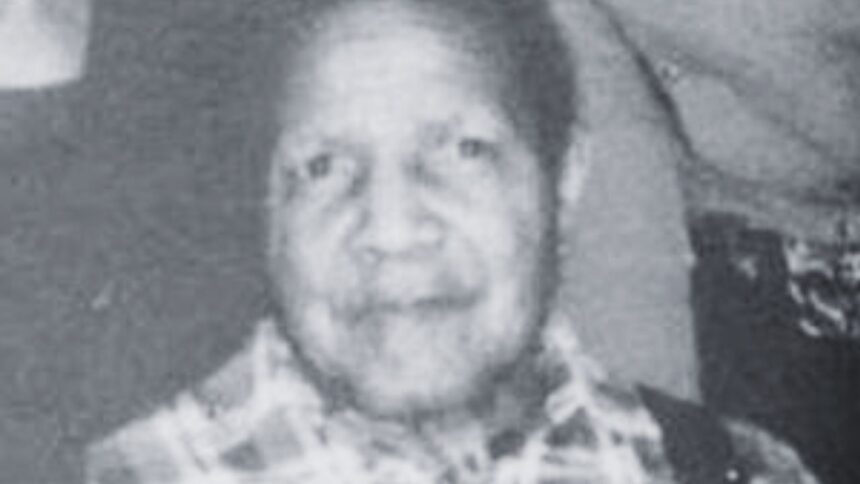
When you delve into the history of Prince Albert Screws, you uncover a narrative deeply rooted in the American South. Born on October 16, 1907, in Jernigan, Russell County, Alabama, Prince Albert’s life was shaped by the epochal changes and generational struggles of his family. His lineage offers a window into the broader African American experience during and after the era of slavery. Understanding Prince Albert’s story provides insights not only into his personal journey but also into the enduring legacy of resilience and determination that defined many African American families in the 20th century.
Family Background and Roots
Prince Albert’s family background is emblematic of the African American experience in the post-Civil War South. His grandfather, Prince Screws, was born into slavery, eventually attaining freedom and working as a tenant farmer. This transition from slavery to agricultural tenant labor provides a historical backdrop for understanding the socio-economic conditions African American families faced. Prince Albert, the son of Prince Screws Jr. and Julia Bell (Jordan) Screws, was one of several siblings, including Richard, Katie, Hattie, Willie Ann, and Ann Screws. The Screws family’s roots in Alabama run deep, marked by the rural lifestyle and agricultural work that characterized much of the African American existence in this region during that period.
Name Change from Screws to Scruse
Around 1934, Prince Albert made the notable decision to change his surname from Screws to Scruse. This action, while seemingly minor, holds potential significance. Name changes can often reflect a desire to forge a new identity or disassociate from past hardships. During the Great Migration, many African Americans sought new beginnings, often adapting their names to navigate societal barriers or create new personal narratives. For Prince Albert, the change from Screws to Scruse may have been a strategic or personal move, reflecting aspirations of stability and distinction as he moved forward in a rapidly changing world.
Marriage and Family Life
In 1938, Prince Albert married Mattie B. Upshaw in Lake County, Indiana. This union marked the beginning of a new chapter in Prince Albert’s life, characterized by familial growth and shared aspirations. The couple had two children, creating a family that would carry on the Scruse legacy. Marriage, particularly during the early 20th century, was a foundation for many African American families. It provided not only emotional support but also a socio-economic partnership that was crucial in an era where communities faced systemic challenges. Prince Albert and Mattie’s marriage illustrates this dynamic, showing how personal relationships bolstered by shared goals played a vital role in navigating life’s challenges.
Transition to Indiana
Prince Albert’s move from Alabama to East Chicago, Indiana, signifies a key transition in his life. This relocation was part of a broader movement known as the Great Migration, where many African Americans left the oppressive socio-political conditions of the South for potential opportunities in the North. East Chicago, with its burgeoning industrial opportunities, represented hope for many families seeking economic security. Prince Albert’s life in Indiana included community involvement, indicating not only a personal but also a communal continuity. This move allowed him to establish a new chapter for his family while remaining connected to his roots and cultural heritage.
Legacy and Conclusion
Looking back on Prince Albert’s life, what stands out is his journey from the rural South to the industrial North, a path shared by many African Americans of his time. His life story is a testament to perseverance and adaptability in the face of historical adversities. Prince Albert’s experiences, from his family’s emancipation to his own migration, highlight the enduring strength and determination inherent in many African American family narratives. Reflecting on his legacy offers valuable perspectives on historical continuity and cultural resilience, reminding us of the importance of familial and cultural roots in shaping individual and collective identities.
References and Sources
For a deeper understanding of Prince Albert Scruse’s life and legacy, consult resources such as MyHeritage, Ancestry, Find a Grave, WikiTree, and FamilySearch. These databases provide detailed genealogical information, offering a glimpse into family histories and connections that are essential for tracing personal and collective narratives. For those interested in exploring similar topics, further resources are available at OnBizMag. Each of these sources offers unique insights, allowing you to build a comprehensive picture of Prince Albert’s life and the broader historical contexts that shaped it.