

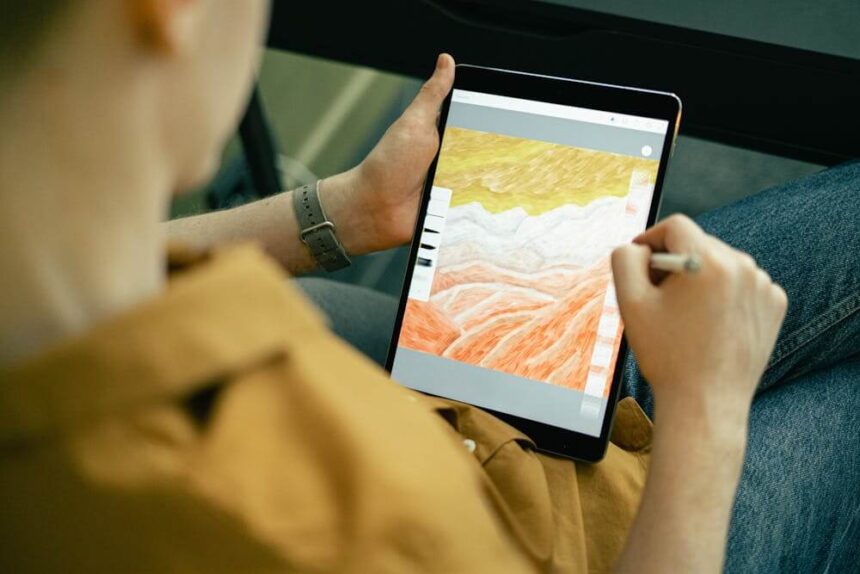
In today’s fast-paced digital world, people are constantly bombarded with information. Whether it’s news, ads, or social media, the sheer amount of content can be overwhelming. To stand out, businesses and creators need effective ways to communicate messages clearly and quickly.
One powerful solution lies at the intersection of infographics and digital art. These two mediums combine the power of visual storytelling with data-driven insights, making complex information more accessible and engaging.
Let’s dive into how infographic design and digital art can work together to enhance communication, capture attention, and drive engagement.
The Power of Infographics: Visualizing Data for Clarity
Infographics have become a go-to tool for presenting data in an easily digestible format. By combining text, numbers, and visuals, infographics allow people to understand complicated information in a matter of seconds. According to a study by the Content Marketing Institute, visual content is 40 times more likely to be shared on social media than other types of content. This statistic highlights just how effective infographics are at grabbing attention and making an impact.
When you add digital art into the mix, the possibilities are limitless. Infographics are no longer just about simple charts and graphs. Thanks to advancements in digital art, creators now have the ability to add depth, color, and creativity to their data presentations, making them more engaging and memorable.
How Digital Art Enhances Infographic Design
Digital art takes infographic design to the next level by adding a layer of creativity that goes beyond just displaying data. It provides a unique opportunity to create visually stunning representations of information that not only inform but also inspire.
1. Creativity in Data Representation
Traditional infographics often rely on standard graphs, pie charts, and icons to represent data. While these are effective, they can sometimes lack personality. Digital art allows designers to add elements like custom illustrations, animation, and interactive features, making the infographic more dynamic and visually appealing.
For example, instead of a basic bar chart showing sales data, a digital artist could create a 3D representation of a sales dashboard, integrating interactive elements where viewers can click on data points to get more detailed information. This interactive and artistic approach makes the infographic more engaging and informative.
2. Color and Style for Emotional Impact
Color is one of the most powerful tools in design. In infographic design, digital art can help use color schemes that not only make the data easier to understand but also evoke the right emotional response from the viewer. Whether it’s using bold colors to highlight key information or softer hues to create a calming visual flow, digital art enhances the emotional appeal of the infographic, improving its effectiveness.
3. Branding and Consistency
For businesses, maintaining consistent branding is essential. Digital art allows infographic designers to incorporate brand elements such as logos, color palettes, and fonts into the infographic, making it instantly recognizable to the audience. This consistency helps build brand identity while delivering data in a visually appealing way.
The Role of Interactive Infographics in Digital Art
With digital art, infographics can evolve from static images to interactive experiences. Interactive infographics allow users to engage with the content, creating a deeper understanding of the information. By incorporating features like scroll-triggered animations, clickable elements, or even embedded videos, businesses and content creators can turn their infographics into engaging, shareable experiences.
For instance, a business might use an interactive infographic to show how their product works in real-time. Users can click through different stages of the process, viewing detailed animations or illustrations that help clarify the steps. This type of engagement is more likely to retain the viewer’s attention and encourage them to share the infographic with others.
Actionable Insights for Using Infographics and Digital Art
1. Know Your Audience
When designing infographics with digital art, it’s crucial to consider your audience’s preferences. What type of design resonates with them? What colors, visuals, or animation styles will keep them engaged? Understanding your audience will help you create infographics that are not only visually appealing but also effective at conveying your message.
2. Focus on Simplicity
While digital art can make infographics visually stunning, it’s important to keep the message clear. Don’t overcomplicate the design with too many visuals or effects. The data should remain the focal point, and digital art should enhance, not overshadow, the information.
3. Leverage Analytics
After creating your infographic, it’s important to track its performance. Tools like Google Analytics or social media insights can show how your infographic is performing, including how many people engage with it and share it. Use this data to refine future designs and improve engagement.
Conclusion: The Future of Infographics and Digital Art
The intersection of infographics and digital art is an exciting space for businesses, marketers, and content creators. By combining the power of visual storytelling with artistic design, infographics are no longer just about presenting data they are about creating memorable, engaging experiences that resonate with your audience. With the right balance of creativity, simplicity, and interactivity, infographics can transform the way we communicate complex information.
So, whether you’re looking to educate, inform, or inspire, blending digital art with infographic design is a powerful way to capture attention and deliver your message effectively. Embrace the fusion of these two elements, and watch as your content stands out in a crowded digital landscape.